North Korea mobilizes soldiers and students to accelerate rice planting
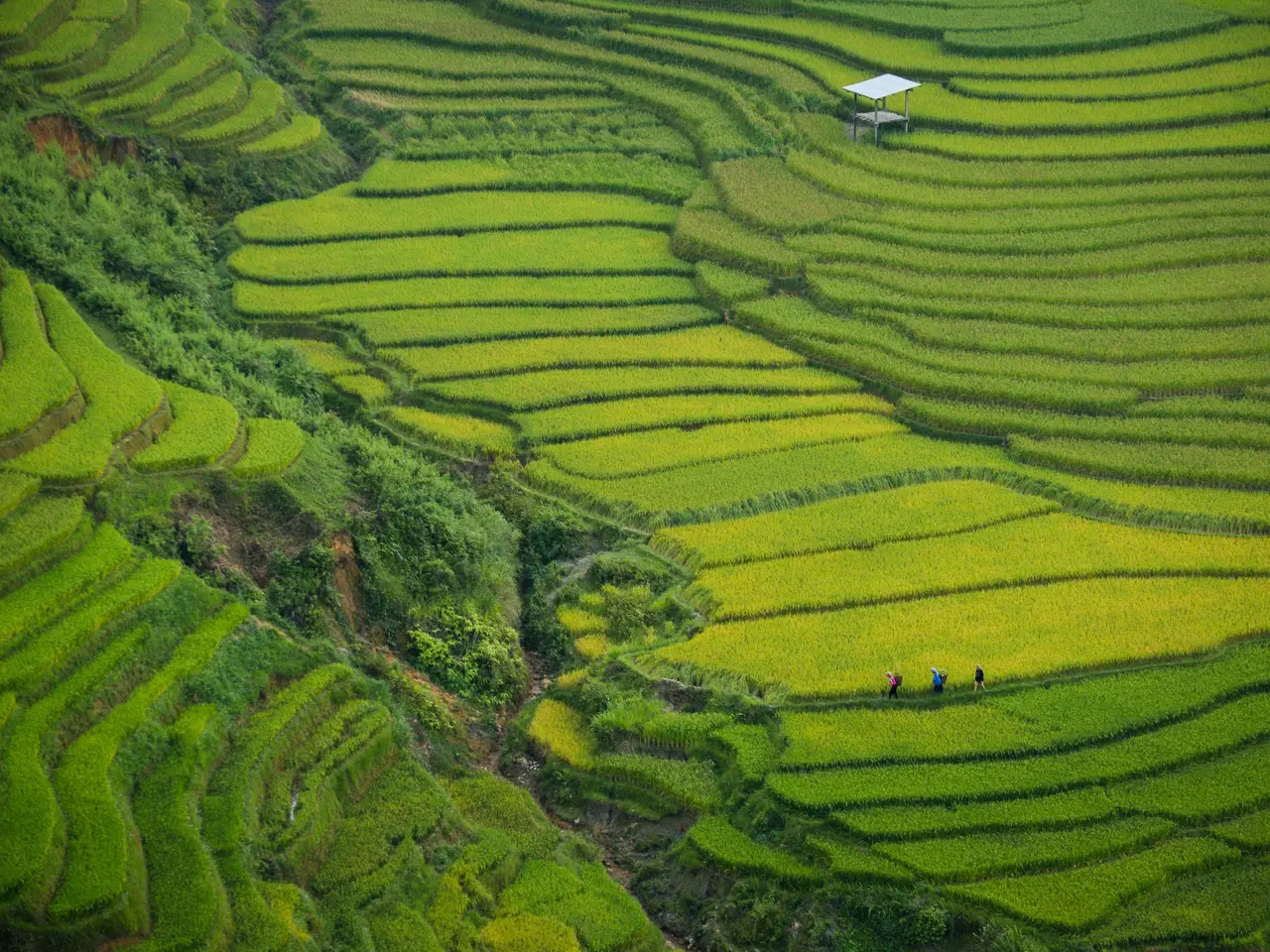
North Korea has launched a nationwide push to speed up rice transplanting as part of its annual farming drive. State media and officials are urging workers, soldiers, and students to focus on meeting grain production targets set by the government. Rice farming in North Korea usually starts in mid-March, with transplanting completed by late May or early June. This year, authorities have stressed the importance of the process, calling it a key business for achieving production goals. The Rodong Sinmun, the ruling party’s newspaper, published appeals for the public to concentrate on the task.
The country mobilises not just farmers but also soldiers and students to assist with the labour-intensive work. These efforts align with leader Kim Jong-un’s broader agricultural agenda, which places food security at the centre of government priorities. Officials have repeatedly urged citizens to intensify their work, framing the harvest as critical for the nation’s stability. The push reflects ongoing concerns over food supplies and the need to meet annual grain targets.
The campaign highlights North Korea’s reliance on collective labour to boost agricultural output. With soldiers, students, and civilians all involved, the government aims to secure enough rice to address food shortages. The success of this year’s harvest will determine whether production goals are met.
Read also:
- India's Agriculture Minister Reviews Sector Progress Amid Heavy Rains, Crop Areas Up
- Sleep Maxxing Trends and Tips: New Zealanders Seek Better Rest
- Over 1.7M in Baden-Württemberg at Poverty Risk, Emmendingen's Housing Crisis Urgent
- Life Expectancy Soars, But Youth Suicide and Substance Abuse Pose Concern