Graduation scams surge as young adults face job and housing fraud risks
Graduation season has brought renewed warnings about scams targeting young adults. Experts highlight a surge in fraudulent schemes as new graduates search for jobs, housing, and financial aid. Many fall victim due to inexperience in managing these areas for the first time. Scammers frequently exploit the urgency of apartment hunting. They pressure victims into sending money quickly to 'secure' a property. Fake listings often use stolen images to appear legitimate, while paperwork fees—which are normally free—are charged upfront.
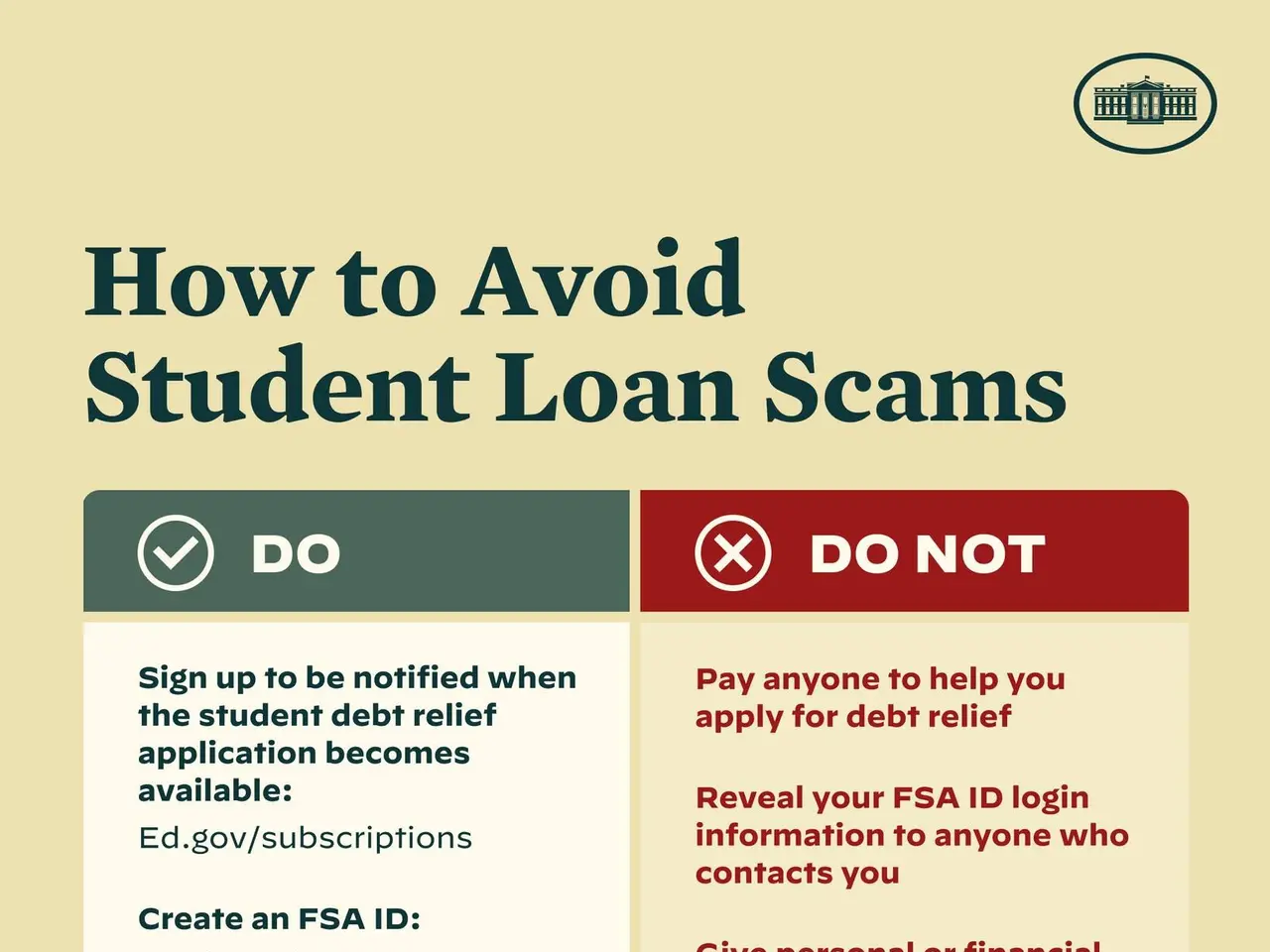
Job scams also remain a major threat. Fraudsters post fake listings or send unsolicited offers promising high pay and flexible hours. In 2025 alone, consumers aged 20 to 29 lost over $550 million, with $33 million stolen through employment scams. Financial aid and scholarship fraud is another growing issue. Scammers create official-looking websites to trick victims into sharing personal details or paying non-existent processing fees. Legitimate scholarships and federal aid never require payment to apply. A common tactic involves sending fake checks and asking victims to return the 'excess' amount. Once deposited, the victim becomes liable for the full sum when the check bounces.
The financial losses for young adults are significant, with scams costing millions each year. Authorities urge graduates to verify all offers, avoid upfront payments, and report suspicious activity immediately. Vigilance is key when navigating post-graduation opportunities.
Read also:
- India's Agriculture Minister Reviews Sector Progress Amid Heavy Rains, Crop Areas Up
- Sleep Maxxing Trends and Tips: New Zealanders Seek Better Rest
- Over 1.7M in Baden-Württemberg at Poverty Risk, Emmendingen's Housing Crisis Urgent
- Life Expectancy Soars, But Youth Suicide and Substance Abuse Pose Concern