Kazakhstan's rare manuscripts go digital with AI and QR-powered exhibits
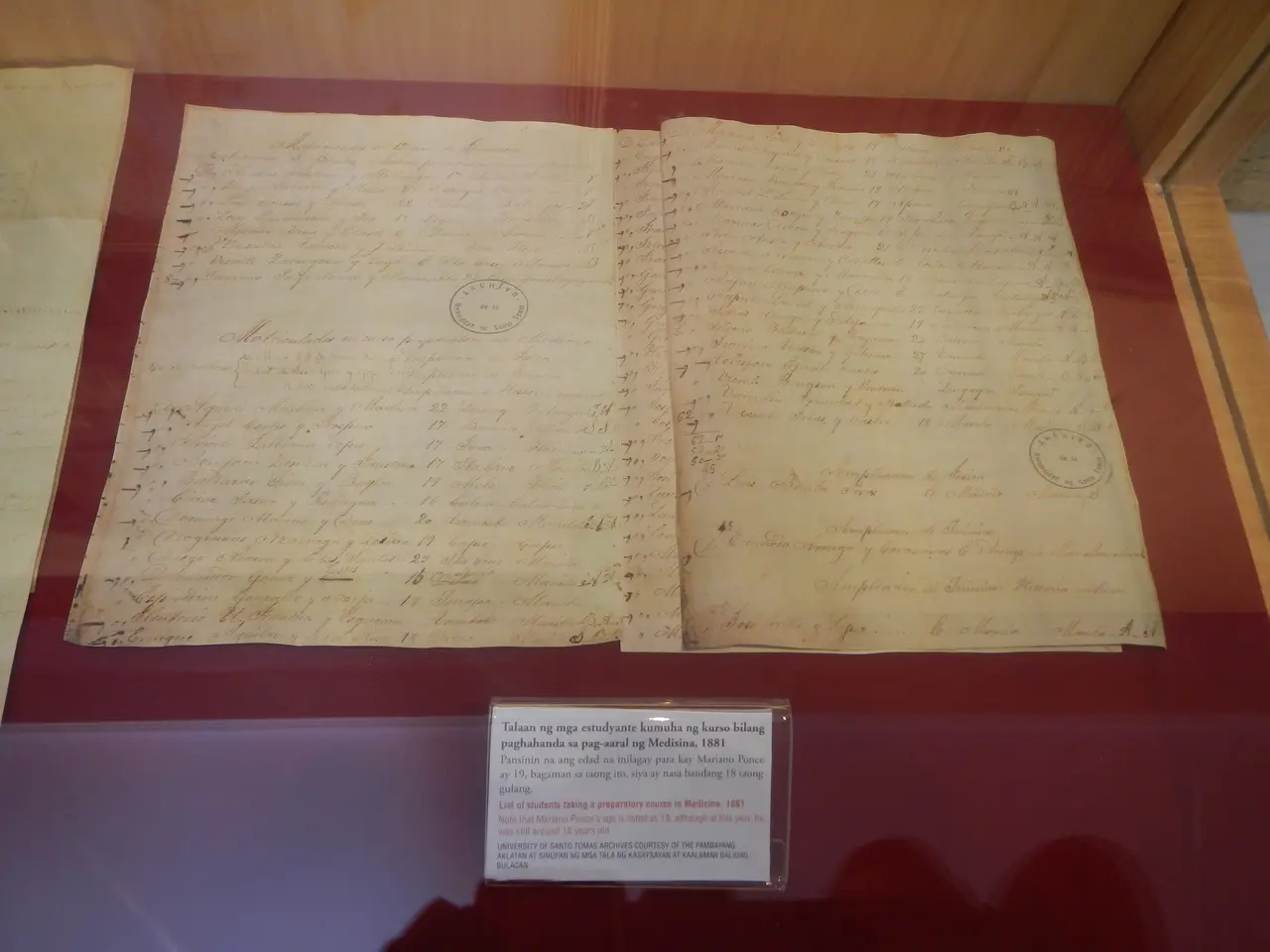
Kazakhstan’s National Center for Manuscripts and Rare Books is embracing digital technology to preserve its cultural heritage. The move comes as the country declares 2026 the Year of Digitalization and Artificial Intelligence, with new tools transforming how historical documents are accessed and studied. The centre has launched a virtual exhibition titled Written Legacy of the Great Steppe’s History, developed by Sunat Khalilov. Each exhibit features a unique QR code, allowing visitors to explore details remotely. A virtual assistant also guides users through sections and answers questions about the collection.
The exhibition spans four key periods: the Turkic Khaganate, Karakhanid State, Golden Horde, and Kazakh Khanate. Among the digitised treasures are the 9th-century *Old Turkic runic Book of Prophecies* and the 13th-century *Oguz-name*. These rare manuscripts are now accessible online, reducing the need for physical handling. AI plays a central role in the project. The technology assesses paper degradation and analyses texts written in multiple languages. Tolkyn Magauyanova, head of the Publications and Publishing Department, highlights how these innovations help safeguard fragile documents for future generations. Looking ahead, the centre plans to expand its digital offerings. Interactive historical maps and remote data access will soon be introduced, making research more efficient and inclusive.
The integration of AI and virtual tools marks a significant shift in how Kazakhstan preserves its written history. With 2026 designated as the Year of Digitalization and Artificial Intelligence, the project sets a foundation for broader access to the nation’s cultural archives.
Read also:
- India's Agriculture Minister Reviews Sector Progress Amid Heavy Rains, Crop Areas Up
- Sleep Maxxing Trends and Tips: New Zealanders Seek Better Rest
- Over 1.7M in Baden-Württemberg at Poverty Risk, Emmendingen's Housing Crisis Urgent
- Life Expectancy Soars, But Youth Suicide and Substance Abuse Pose Concern