Khabarovsk Krai tightens alcohol sales with strict new distance rules by 2026
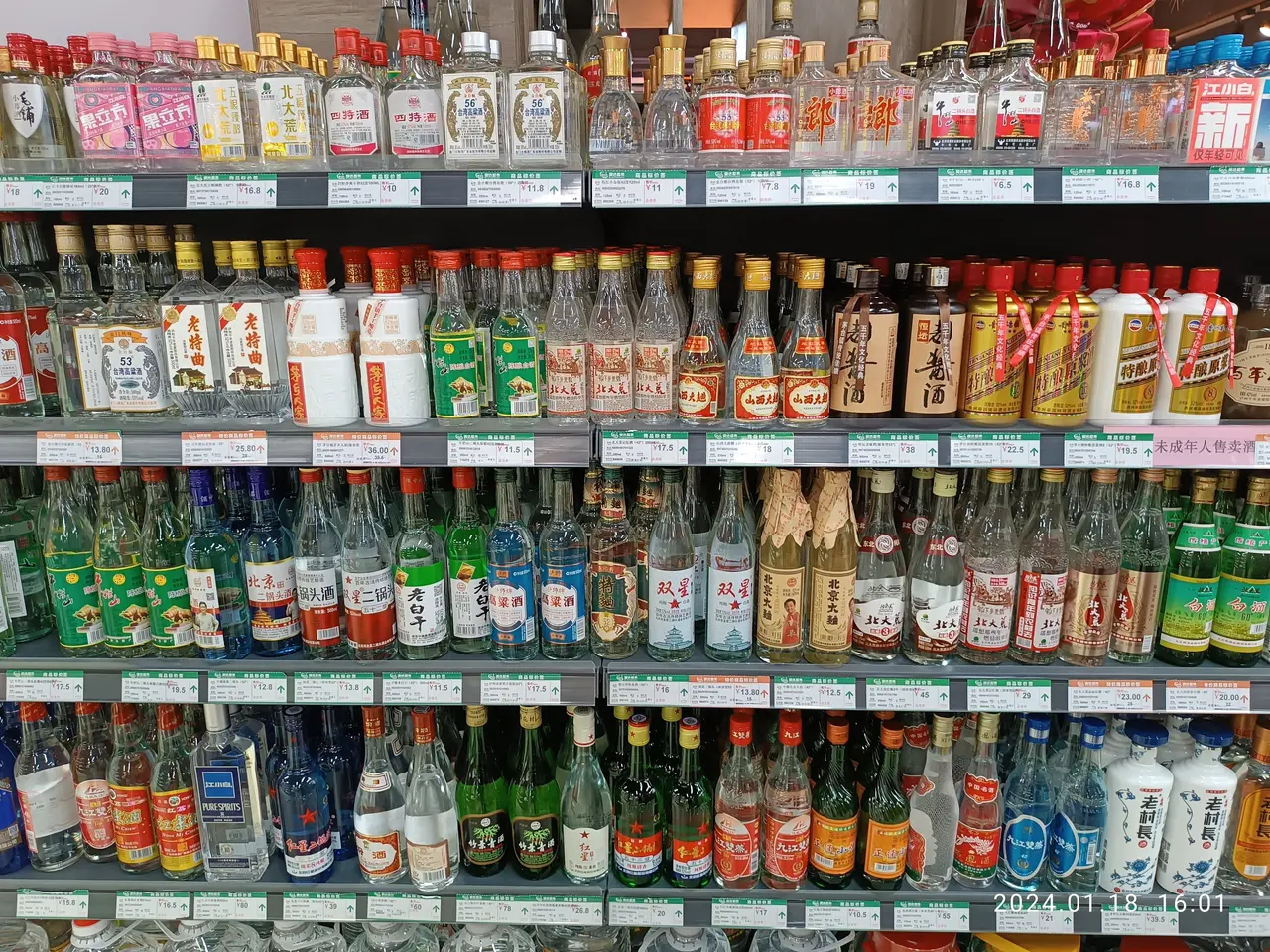
New regulations in Khabarovsk Krai will soon change where alcohol retailers can operate. Starting September 1, 2026, shops in Nikolayevsky District must keep a distance of 30 to 70 metres from social facilities. Businesses that fail to comply will face mandatory relocation or penalties. The region has been tightening controls on alcohol sales for years. In 2025, authorities confiscated nearly 2,400 units of illegal alcohol, totalling over 1,624 litres. Courts also revoked three licences, suspended two businesses, and launched 24 administrative cases against violators. Fines from these cases exceeded 1.2 million rubles.
Currently, 760 legal entities hold alcohol trade permits across Khabarovsk Krai, covering over 6,000 retail outlets. However, entrepreneurs have raised concerns about technical difficulties with the Unified State Automated Information System (EGAIS). Regional officials responded by promising support to help businesses adapt to the system. The crackdown has continued into 2026, with two more companies facing licence suspensions. Authorities insist the new distance rules will be strictly enforced, pushing non-compliant shops to relocate or risk losing their operating rights.
The upcoming changes will reshape the alcohol retail landscape in Nikolayevsky District. Shops must adjust their locations by September 2026 or face closure. Meanwhile, ongoing enforcement efforts signal a broader push to regulate the trade more tightly.
Read also:
- India's Agriculture Minister Reviews Sector Progress Amid Heavy Rains, Crop Areas Up
- Over 1.7M in Baden-Württemberg at Poverty Risk, Emmendingen's Housing Crisis Urgent
- Life Expectancy Soars, But Youth Suicide and Substance Abuse Pose Concern
- Cyprus, Kuwait Strengthen Strategic Partnership with Upcoming Ministerial Meeting