Whirlpool stock crashes 50% as earnings collapse and dividends vanish
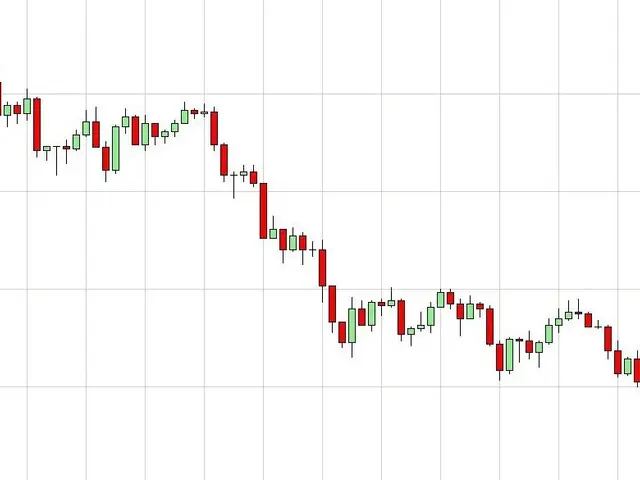
Whirlpool shares plunged on May 7 after the company released a weak first-quarter earnings report. The stock has now lost roughly half its value since the start of the year. Investors reacted sharply to the disappointing financial results and grim outlook from management. The company reported a loss of $0.56 per share in Q1, missing analyst expectations of $0.62 per share. The poor performance came as U.S. consumer confidence hit a record low in late February, triggered by escalating tensions from the Iran war. CEO Marc Bitzer described the drop in demand as comparable to the 2008 financial crisis, calling it a 'recession-level industry decline.'
Whirlpool’s financial strain led to an unprecedented move: the suspension of dividend payments for the first time in 55 years. The stock’s 14-day relative strength index briefly dipped into the late 20s, signalling oversold conditions. Bitzer noted that while emergency appliance replacements remained steady, discretionary purchases had all but disappeared. Looking ahead, management warned that a full market recovery is unlikely in the near term. The Iran conflict continues to weigh on consumer spending, leaving Whirlpool facing prolonged challenges in regaining momentum.
The company now faces a steep climb to stabilise its financial position. With dividends halted and demand still weak, Whirlpool’s next steps will be closely watched. Analysts and investors are waiting to see how the business adapts to the ongoing economic pressures.