Deep-Sea Mining Rush Threatens Earth's Last Unexplored Frontier
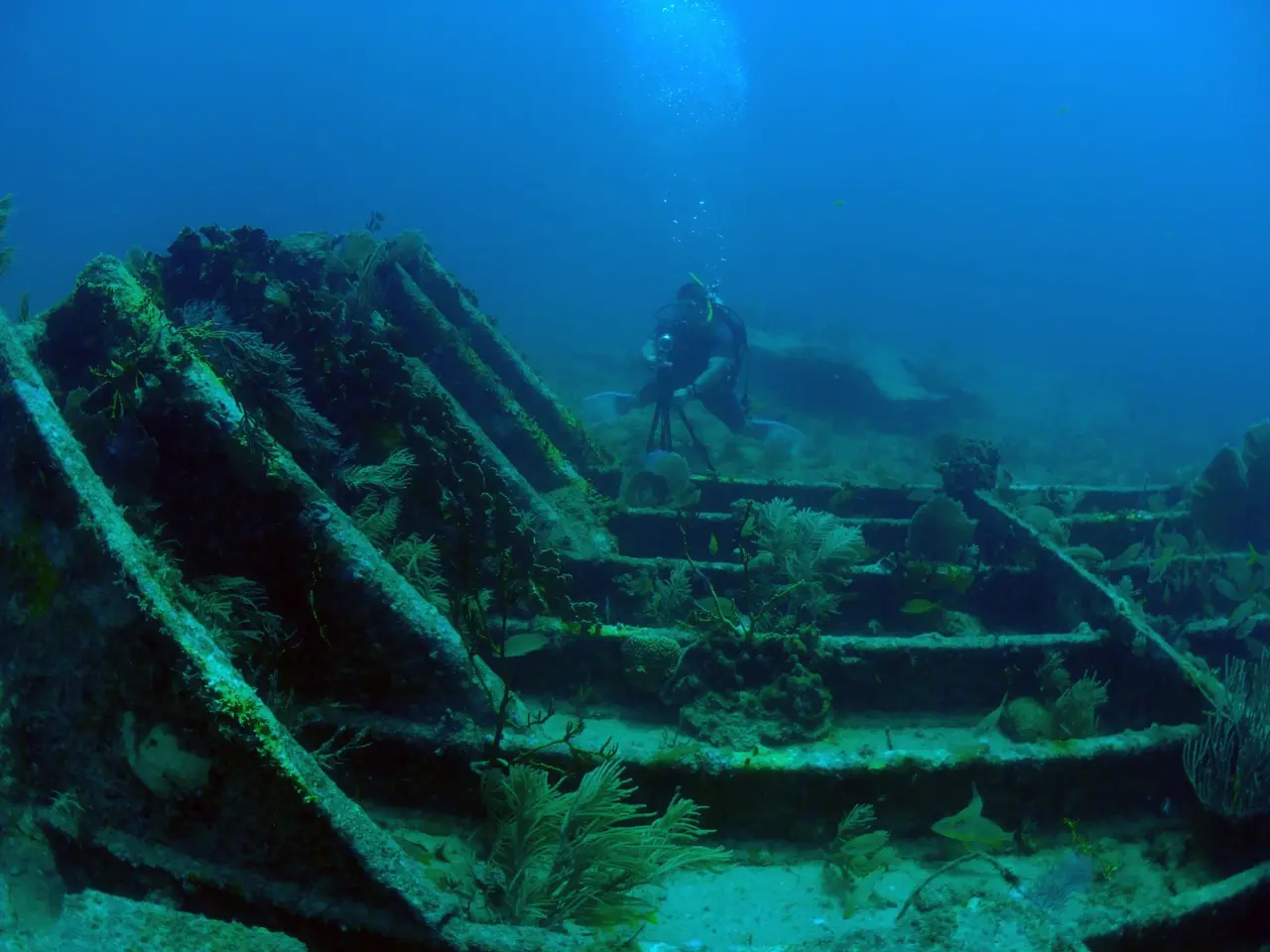
The deep ocean is facing a new threat as companies push for mining in its least explored regions. Covering over half the planet, this vast environment holds valuable metals like cobalt, copper and gold. But the rush for resources is raising concerns about irreversible damage to fragile ecosystems still unknown to science. Deep-sea mining targets two main areas: abyssal plains and hydrothermal vents. The plains host polymetallic nodules rich in critical metals, while vents contain deposits of gold and copper. These zones also support unique life forms, from tube worms and crabs at vents to undiscovered worms and sponges on the plains.
Hydrothermal vents create ecosystems that thrive without sunlight, sustaining dense colonies of specialised species. Yet scientists admit they lack the data to predict how mining will affect these habitats. Recovery times for disturbed abyssal plains could stretch into decades, with biodiversity losses likely in mined areas. Regulators have set aside 30% of the primary nodule zone as protected areas. But debates continue at government levels, as researchers warn that existing knowledge gaps prevent clear answers about long-term consequences.
The deep sea remains Earth’s largest and least understood environment. While protected zones have been established, the full impact of mining on its ecosystems is still unknown. Without more research, the risks to biodiversity and recovery times will stay unresolved.
Read also:
- India's Agriculture Minister Reviews Sector Progress Amid Heavy Rains, Crop Areas Up
- Sleep Maxxing Trends and Tips: New Zealanders Seek Better Rest
- Over 1.7M in Baden-Württemberg at Poverty Risk, Emmendingen's Housing Crisis Urgent
- Cyprus, Kuwait Strengthen Strategic Partnership with Upcoming Ministerial Meeting