India cracks down on pet ownership as stray dog crisis worsens
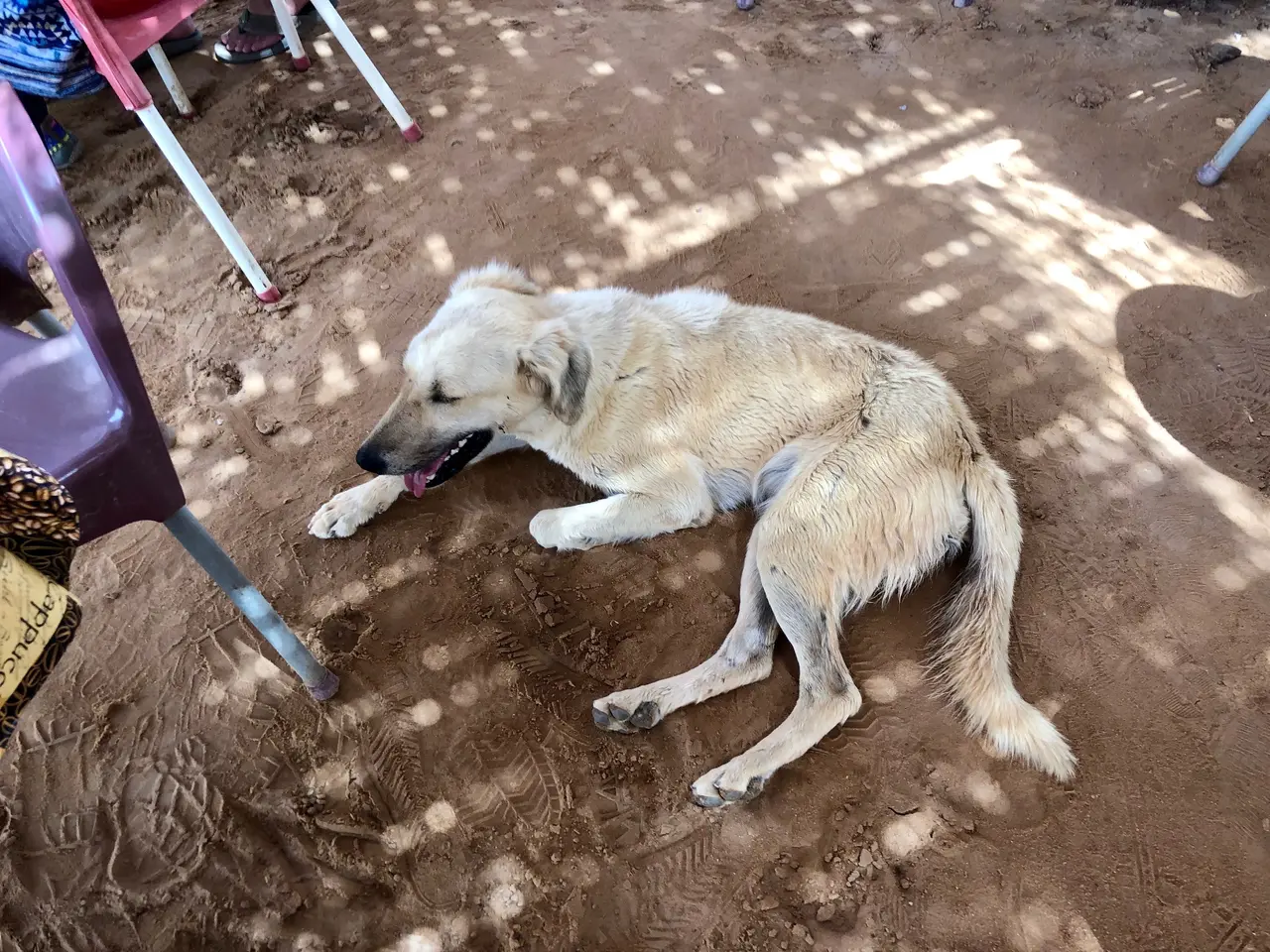
India is facing growing challenges with pet and stray dog management. Cities struggle with issues like uncollected pet waste, dog bites, and disputes over shared spaces. Now, officials are pushing for stricter rules to bring order to pet ownership and reduce public nuisances.
Recent moves include tighter controls on foreign dog breeds and calls for better tracking of breeders and pets. But with limited data on licensed animals and rising stray populations, authorities admit they are working with incomplete information.
Mumbai’s latest stray dog census revealed over 90,000 unmanaged animals, many unsterilised. This adds to broader concerns about strays, which require separate solutions like sterilisation drives and shelter management. Owned pets, however, could be regulated more easily through existing records—home addresses, guardian details, and licensing.
Experts argue that cities need clearer rules for pet ownership. Proposals include linking the number of pets to living space and making insurance mandatory for certain breeds. High fines for owners and walkers who fail to clean up after pets are also under discussion. Breeders face new scrutiny as well. Authorities want all breeders licensed, audited, and traceable, with every puppy pre-registered before sale. This follows India’s recent decision to restrict or ban high-risk foreign dog breeds, shifting focus to native varieties like the Indian Pariah Dog, Mudhol Hound, and Rajapalayam. The pressure isn’t unique to one city. Across India, complaints about dog bites, fights in lifts, and fear in parks keep rising. Without reliable data on licensed pets, officials admit governance remains patchy, leaving many problems unresolved.
Stricter licensing, breeder oversight, and pet ownership limits could bring more order to India’s growing dog population. Cities also need better data to track licensed animals and enforce rules effectively. The push for native breeds and responsible ownership aims to reduce public risks while addressing long-standing disputes over shared spaces.
Read also:
- India's Agriculture Minister Reviews Sector Progress Amid Heavy Rains, Crop Areas Up
- Sleep Maxxing Trends and Tips: New Zealanders Seek Better Rest
- Over 1.7M in Baden-Württemberg at Poverty Risk, Emmendingen's Housing Crisis Urgent
- Cyprus, Kuwait Strengthen Strategic Partnership with Upcoming Ministerial Meeting