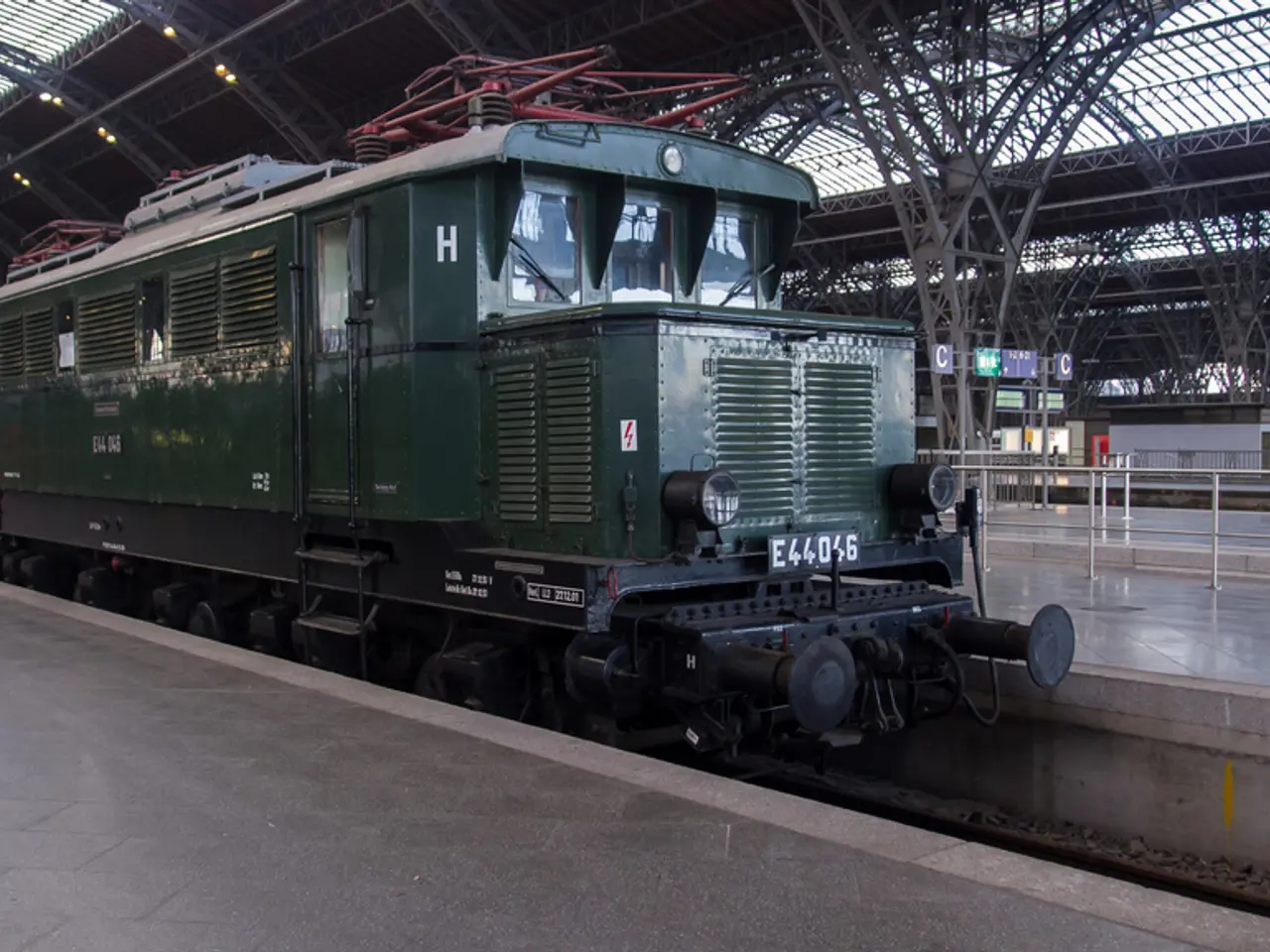
Passengers should prepare for crowded trains as rail service resumes
German Railway Strike Ends, Disruptions Ease
After several months of ongoing disputes, the German Union of Locomotive Drivers (GDL) has called off its first warning strike on Thursday evening. The strike, which was part of the wage dispute with Deutsche Bahn, had caused massive train cancellations and delays nationwide.
The main point of contention in the negotiations is the demand for a reduction of working hours from 38 to 35 hours per week for shift workers, with full wage compensation. The GDL is also seeking an additional 555 euros per month for employees, as well as an inflation compensation bonus of up to 3,000 euros.
Deutsche Bahn had previously set up an emergency timetable due to the strike, and many regional and S-Bahn trains, in addition to long-distance and freight traffic, were affected. The railway strike had significantly disrupted train operations across Germany, including long-distance, regional, and S-Bahn services.
The GDL union considers the strike participation in Baden-Württemberg to be very positive, with over 90% of members participating. The GDL spokesman expressed satisfaction when looking at Deutsche Bahn's timetable information and the displayed train cancellations.
Despite the end of the strike, Deutsche Bahn is expecting high demand, especially in long-distance traffic, on Friday due to many passengers postponing their journeys. Train service resumed according to the regular schedule on Friday morning, but it is expected to have partial high occupancy.
This is not the first time the GDL has engaged in strike actions in 2024, and these strikes have prompted Deutsche Bahn to operate only basic or emergency services during the industrial actions. The wage conflict is not only about pay levels but also about working conditions, notably working hours.
As the negotiations continue, both parties will need to find a resolution that addresses the GDL's demands while ensuring minimal disruptions to train services for passengers.
[1] Source: Deutsche Bahn press release [2] Source: GDL press release
- The German Railway strike's impact on transportation extended to various sectors, including public-transit, as several regional and S-Bahn trains were affected.
- Despite the end of the strike, the finance industry might face a significant impact as industry leaders plan for increased demand in finance-related services associated with public-transit, such as ticketing and travel insurance.