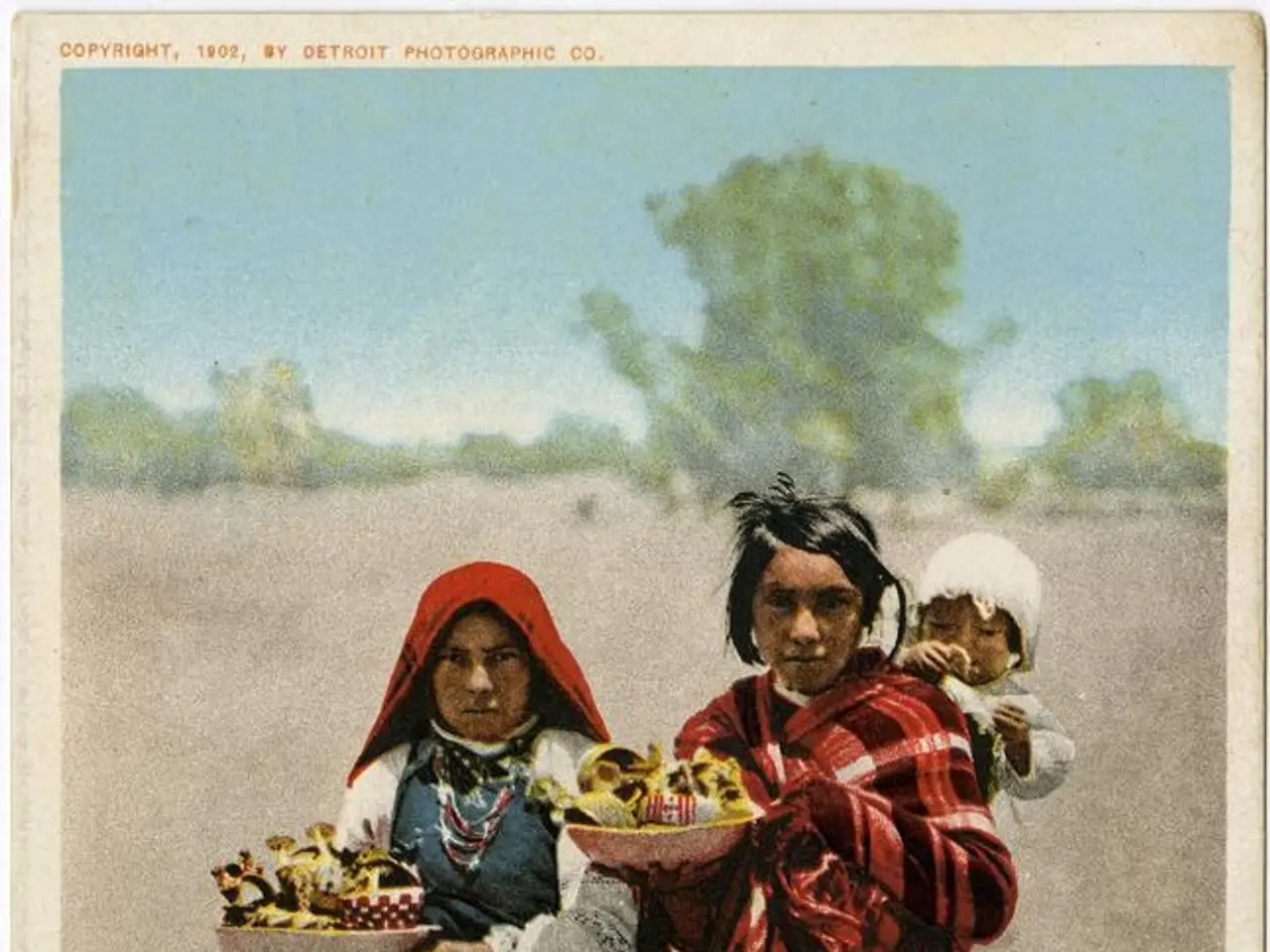
Oaxaca's Women Keep Ancient Pulque Tradition Alive for Generations
In the highlands of Oaxaca, women from the Ñuu Savi (Mixtec) communities have long sustained their families by producing and selling pulque. This traditional drink, made from the sap of the agave plant, remains a vital part of local trade. Two women, Catalina and Alejandra, have carried on this practice since childhood, ensuring the survival of a centuries-old craft.
The pulque maguey thrives at elevations between 1,500 and 2,300 metres in the Sierra Mixe region. Growing and harvesting the plant demands skill, as its scarcity has made the work of tlachiqueras—those who extract the sap—even more crucial.
Catalina Barrios Victoria began learning the trade at just seven years old, helping her father plant and tend to the maguey. For her, the work was not just a task but a way of life. Meanwhile, Alejandra Barrios Ávila followed a similar path, assisting her mother full-time after her father’s death. Like many women in the Ñuu Savi communities, she took on the role of a tlachiquera, mastering the art of scraping agave and extracting its sap to ferment into pulque.
The drink itself is a staple in local markets. A single jícara (gourd cup) or glass of pulque typically sells for around 25 pesos at roadside stalls. For women like Alejandra, selling pulque became a means of supporting their families, passing down knowledge through generations. The tradition of pulque-making continues to shape the lives of women in the Mixteca region. Their work not only preserves a cultural practice but also provides essential income for their households. With each harvest, they ensure that the craft—and the drink itself—remains a living part of their community.
Read also:
- India's Agriculture Minister Reviews Sector Progress Amid Heavy Rains, Crop Areas Up
- Sleep Maxxing Trends and Tips: New Zealanders Seek Better Rest
- Over 1.7M in Baden-Württemberg at Poverty Risk, Emmendingen's Housing Crisis Urgent
- Cyprus, Kuwait Strengthen Strategic Partnership with Upcoming Ministerial Meeting