Internal Combustion Engine Surpasses Electric Vehicles in All Areas, Achieves Remarkable Efficiency and Sustainability Levels
Hydrogen combustion engines (H₂-ICE) are making waves in the clean mobility sector, challenging the dominance of electric vehicles as the beacon of sustainable transportation. With the potential to achieve around 60% efficiency, these engines could redefine the future of transportation by providing a high-performance, low-emission alternative to conventional fossil-fuel engines.
Efficiency and Performance Gains
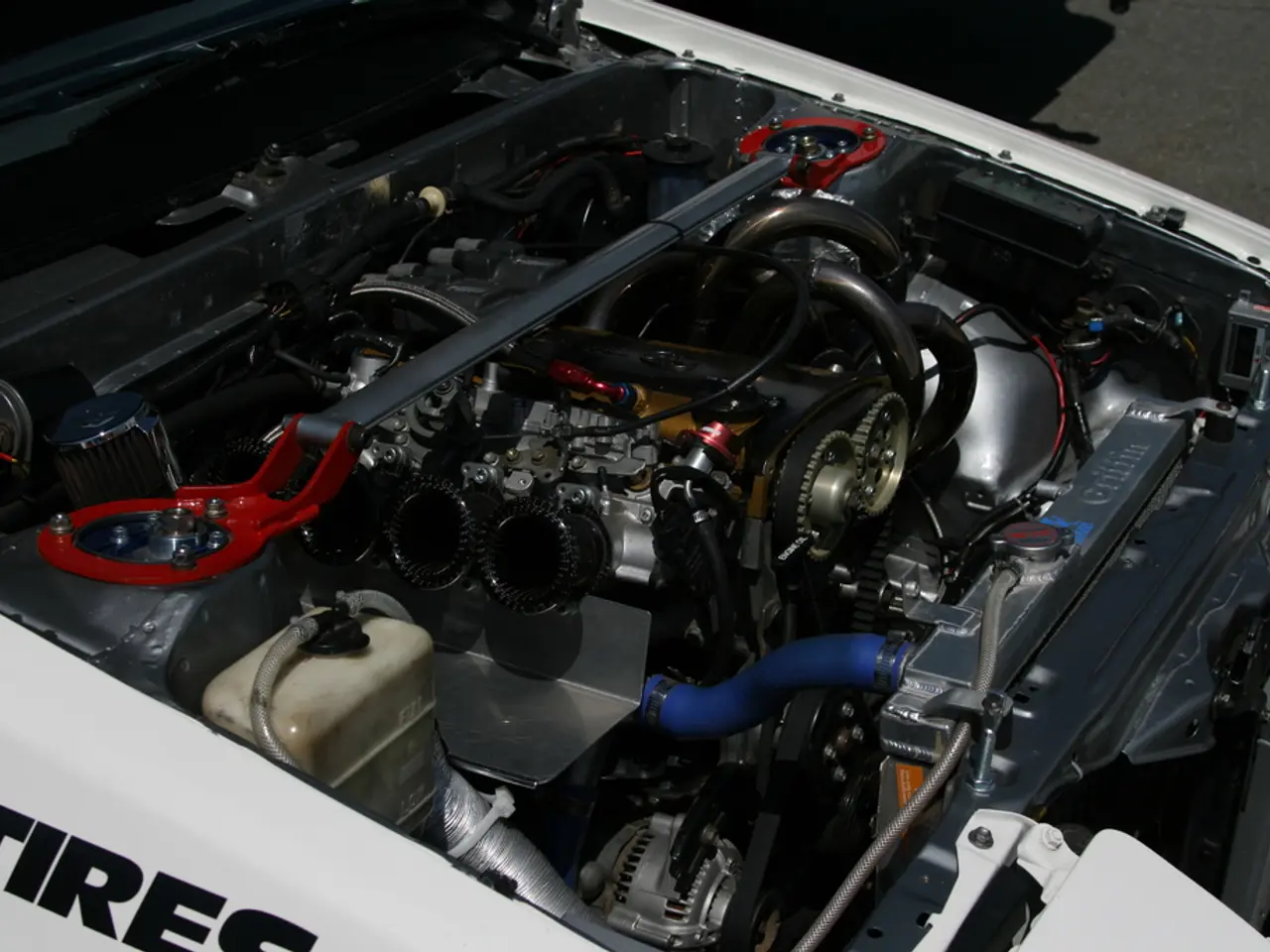
Recent prototypes and experimental engines using hydrogen combustion have demonstrated remarkable efficiency improvements. For instance, hydrogen-enriched blends show improved in-cylinder pressure and heat release rates, enhancing engine efficiency and reducing fuel consumption. Companies like AVL are targeting heavy-duty vehicles, aiming for high performance and reliability while drastically cutting CO2 emissions. Hydrogen combustion engine prototypes have already delivered 410 hp and 500 Nm torque at a wide rpm range, implying that hydrogen engines can match or surpass conventional gasoline engines in power output.
Environmental Benefits
One of the most significant advantages of hydrogen combustion engines is their environmental friendliness. Unlike traditional engines, hydrogen combustion engines produce water vapor as the primary exhaust instead of CO2 and other harmful pollutants. Studies show up to 65% reduction in hydrocarbons, 37% reduction in CO, 8% reduction in CO₂, and decreases in NOx emissions relative to diesel operation. This aligns with the global push towards carbon neutrality, particularly in heavy-duty transportation sectors that contribute significantly to global emissions.
Compatibility and Transition Potential
The compatibility of H₂-ICE technology with existing engine designs facilitates rapid adoption without full vehicle redesigns, particularly in sectors where electrification is challenging. Engine manufacturers are modifying spark-ignition engines to run on hydrogen with minimal changes, accelerating market readiness and cost efficiency.
Challenges and Innovations
To optimize hydrogen combustion, innovations such as adjusted combustion cycles, increased compression ratios, advanced turbocharging to deliver the required air mass, and careful control to avoid pre-ignition are critical. These enable hydrogen engines to attain high power density and efficiency comparable to or exceeding gasoline or diesel counterparts.
Broader Implications for Transportation
Achieving 60%+ thermal efficiency in hydrogen engines could make hydrogen a viable and cost-effective alternative to batteries and fuel cells, especially in sectors that require fast refueling and long ranges. It could also reduce reliance on fossil fuels drastically in freight, public transportation, and performance vehicle segments, accelerating global decarbonization goals by offering near-zero tailpipe emissions technology adaptable to existing infrastructure and vehicle fleets.
In summary, hydrogen combustion engines reaching around 60% efficiency embody a breakthrough that merges high efficiency, environmental sustainability, and practical implementation potential. This promising technology positions hydrogen as a key player in the near to mid-term future of transportation, particularly where electrification alone faces limitations.
Innovations in hydrogen combustion engines offer potential for efficiency gains, with hydrogen-enriched blends exhibiting improvements in in-cylinder pressure and heat release rates, leading to enhanced engine efficiency and reduced fuel consumption.
The environmental benefits of hydrogen combustion engines are substantial, as they produce water vapor as primary exhaust, significantly reducing harmful pollutants compared to traditional engines.
Compatibility with existing engine designs represents a significant advantage for rapid adoption of hydrogen combustion engines, particularly in sectors where electrification is challenging.
Challenges in optimizing hydrogen combustion technology include adjusted combustion cycles, increased compression ratios, advanced turbocharging, and careful control to avoid pre-ignition, which are crucial for achieving high power density and efficiency comparable to gasoline or diesel engines.