India's bold new waste rules face enforcement and funding hurdles
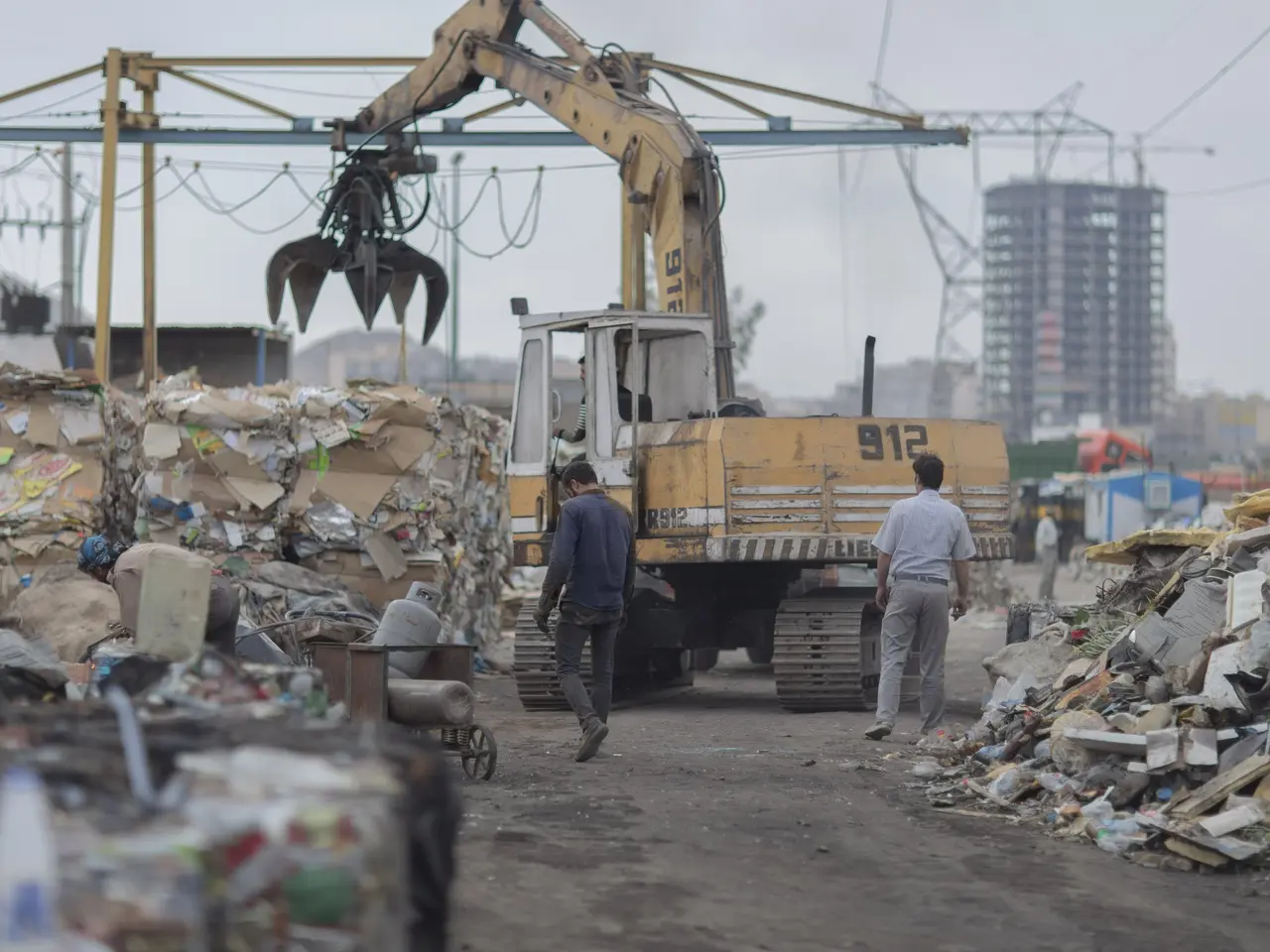
New waste management rules in India aim to tighten enforcement and improve recycling. A public online portal for reporting violations is now a key focus. Authorities also face pressure to hold local bodies accountable for lapses in compliance. The updated regulations cover both urban and rural areas, including cash-strapped local bodies. These groups must upgrade their waste handling capabilities but lack funding and training. Meanwhile, informal waste pickers will take the lead in door-to-door collection of recyclables.
Communities have pushed for a clear system to buy back compost, encouraging better waste segregation. Cities are also urged to adopt advanced engineering solutions for materials recovery and waste reduction. Yet, many states still fail to block single-use plastics and non-recyclable carry bags from entering circulation. Weak enforcement in neighbouring Union Territories worsens the issue, allowing banned items to re-enter urban markets. Monitoring manufacturers for waste take-back remains another critical step for success.
The rules introduce stricter oversight, from online reporting to local authority liability. Rural bodies need financial support to meet standards, while cities must invest in better waste processing. Without consistent enforcement, however, the flow of non-recyclable materials will likely persist.
Read also:
- India's Agriculture Minister Reviews Sector Progress Amid Heavy Rains, Crop Areas Up
- Sleep Maxxing Trends and Tips: New Zealanders Seek Better Rest
- Over 1.7M in Baden-Württemberg at Poverty Risk, Emmendingen's Housing Crisis Urgent
- Life Expectancy Soars, But Youth Suicide and Substance Abuse Pose Concern