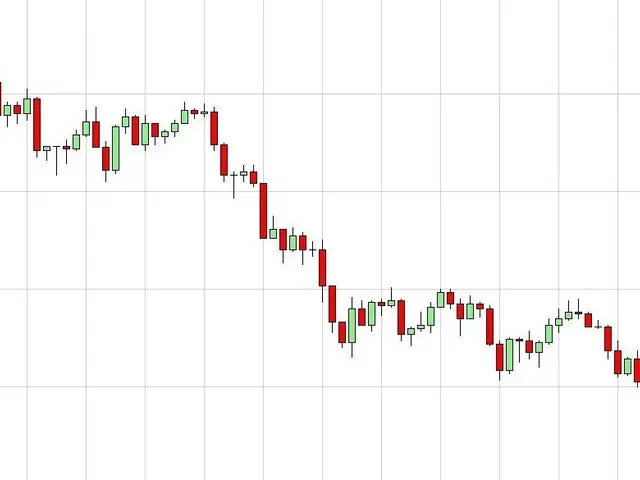
Declining oil production rates in Mexico could spur the revitalization of industries, including those operated by Halliburton.
In the realm of international oil and gas, two significant developments have emerged this week. On one hand, U.S. oilfield service provider Halliburton is grappling with the impact of Mexico's crude production decline rates, while on the other, Britain is experiencing a slower rise in the price of goods due to a drop in UK inflation.
Mexico's Crude Production Woes Impact Oilfield Service Providers
Mexico's crude production woes have taken a toll on oilfield service providers, with Pemex's shift to local refining and decreased crude production leading to a 39% drop in exports in June 2025, reaching levels not seen in decades. This decline in output and export volumes has resulted in reduced demand for oilfield services such as drilling, maintenance, and logistics, potentially leading to reduced contracts and revenues for service providers [1][3][5].
Pemex, the largest producer in Mexico, saw an 8.4% decrease in crude and condensate output in May, with current production hovering around 1.6 million barrels per day—below their 1.8 million bpd target [6]. The company carries massive debt, amounting to $99-$120 billion, and faces structural challenges and underinvestment that risk further declines [1][3].
UK Inflation Eases, Benefiting Consumers and Businesses
In stark contrast, the UK has seen a drop in inflation to 2.3%, suggesting a moderation in the pace of price increases in goods and services. This easing inflation rate generally reduces cost-of-living pressures and may stabilize or slow the rise in prices of imported and domestically produced goods. For consumers and businesses in Britain, this could mean more predictable and possibly lower input costs, though the wider economic context (such as currency strength and supply chain factors) also plays a role [2].
Halliburton's Second-Quarter Earnings and Payment Issues with Pemex
Against this backdrop, Halliburton posted its second-quarter earnings on Tuesday. The company has stated that issues related to payments from Pemex have not been resolved yet, contributing to the decline in Halliburton's international revenue, particularly in Mexico [4]. Halliburton expects its full-year international revenue to decline by mid-single digits, year on year, primarily driven by activity reductions in Saudi Arabia and Mexico [7].
The Mexican association of foreign oil services companies has warned that many firms may have to stop operations as early as July due to financial issues with Pemex. This situation has led to a decrease in activities across the industry, further exacerbating the challenges faced by oilfield service companies [1][3].
In summary, Mexico's crude production decline rates are creating pressure for a reactivation of business, while the drop in UK inflation to 2.3% indicates slower price increases, potentially easing price pressures on goods and benefiting consumers and businesses amid stabilizing economic conditions.
Financially struggling oilfield service providers in Mexico, such as Halliburton, face reduced contracts and revenues due to declining crude production and exports, primarily caused by Pemex's shift to local refining and underinvestment. On the other hand, the easing of inflation to 2.3% in the UK benefits consumers and businesses by potentially lowering their input costs and stabilizing goods prices, thanks to a moderation in the pace of price increases.