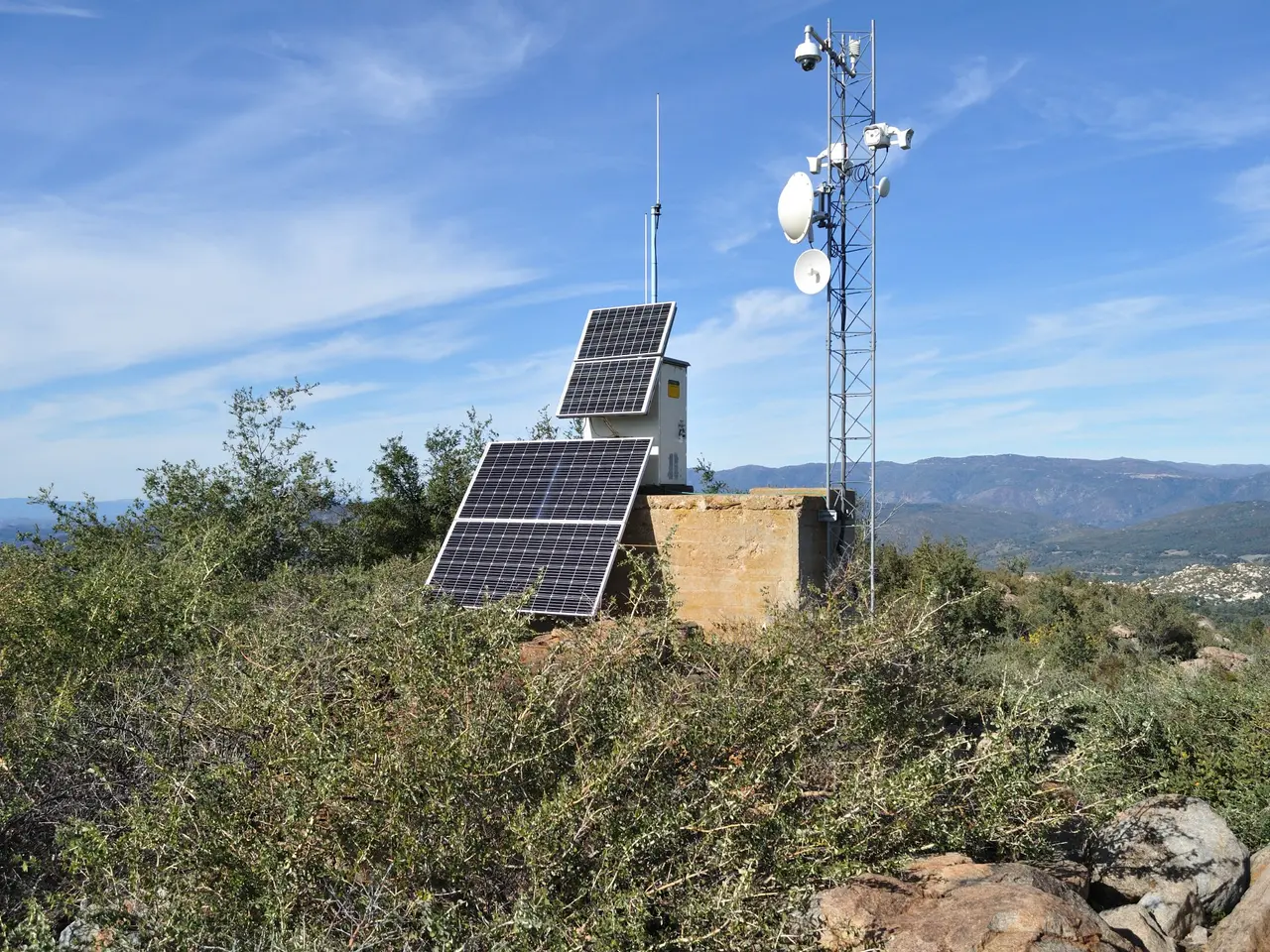
African telecoms ditch diesel for solar to cut costs and boost reliability
Rising diesel costs and unreliable supply chains are pushing African telecom companies to switch cellphone towers to solar power. The shift comes as fuel prices soar due to conflicts like the Iran war, making diesel both expensive and difficult to obtain. For many operators, this change is not just about cutting costs—it could also transform network reliability in remote areas. Diesel has long powered most of Africa’s 500,000 telecom towers, but the fuel’s rising price is forcing a rethink. In Nigeria, diesel costs have jumped by up to 200% in a year, pushing operators to spend around $400 million annually just to keep towers running. Energy now accounts for as much as 60% of operating expenses in off-grid locations, making solar an increasingly attractive alternative.
Operators are moving quickly to adopt cleaner solutions. Companies like iSAT Africa are rolling out fully solar-powered towers, while major firms such as Vodacom Africa—whose energy costs hit $300 million in 2025—are expanding hybrid systems. These combine solar panels, battery storage, and limited diesel backup to reduce fuel dependence.
The transition is particularly urgent in rural and off-grid areas, where extending electricity grids is costly and unreliable. Solar-powered towers avoid fuel shortages and generator failures, improving network stability for underserved communities. Some operators now aim for fully solar-powered sites, seeing them as a long-term fix for both cost and reliability. The move away from diesel could reshape Africa’s telecom infrastructure, especially where grid connections are weak. With solar power cutting costs and improving service, operators are likely to speed up deployments in the coming years. The shift may also reduce exposure to volatile fuel markets, offering more predictable operations for mobile networks.
Read also:
- India's Agriculture Minister Reviews Sector Progress Amid Heavy Rains, Crop Areas Up
- Cyprus, Kuwait Strengthen Strategic Partnership with Upcoming Ministerial Meeting
- Inspired & Paddy Power Extend Virtual Sports Partnership for UK & Ireland Retail
- South West & South East England: Check & Object to Lorry Operator Licensing Now