Wolf attack in Hamburg sparks Germany's first urban wildlife crisis
The wolf could hardly have chosen a busier route from Hamburg's rural western outskirts into the city center: past an IKEA store, through St. Pauli, and all the way to the postcard-perfect scenery of Jungfernstieg and the Binnenalster. It's almost surprising that only one woman was attacked by the apparently terrified animal.
For Germany's wolf population, this incident is bad news. The first attack on a human since the species' return will make life far harder for its advocates—wolf conservationists—who already face an uphill battle. Just last week, wolves were added to the hunting law, meaning they can now be shot under certain conditions. It would be a miracle if hunters showed restraint with their newfound authority.
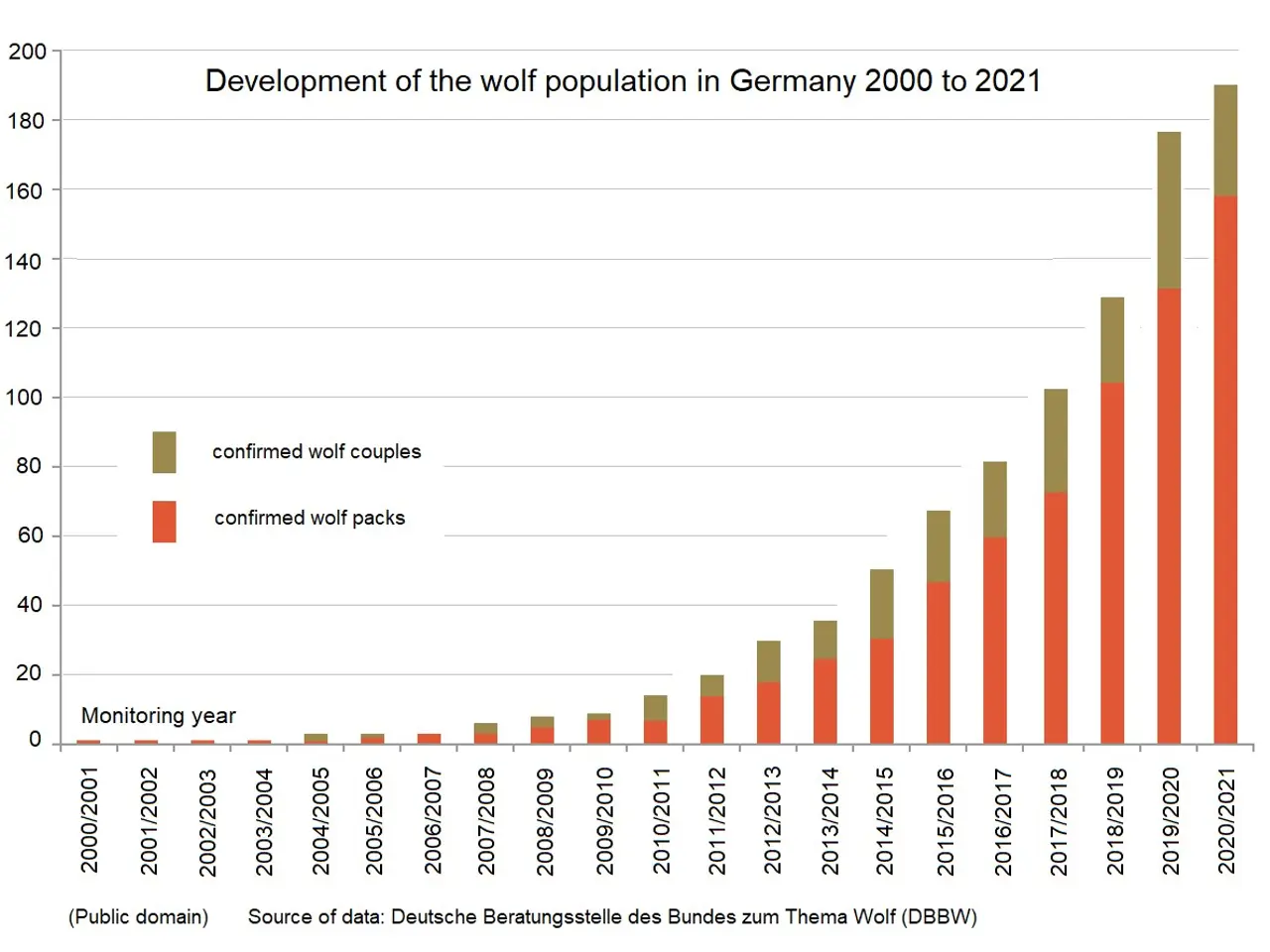
Conservationists will struggle to effectively challenge any controversial culling. From now on, every debate will inevitably circle back to the Hamburg attack. Anyone opposing a kill order risks being branded as downplaying the danger—no matter how unfair that may be. The fact that the wolf population is no longer growing but stagnating? Irrelevant. That out of some 2,000 wolves in Germany, only a handful cause problems? Irrelevant. That you're more likely to be struck by lightning than attacked by a wolf? Equally dismissed.
No time was wasted: On Tuesday, Bavaria's hunting minister, Hubert Aiwanger, called for wolves to be shot, while the German Hunting Association demanded "decisive action" after the Hamburg incident to "minimize conflicts between humans, wolves, and livestock." If federal states "promptly" implement the new hunting regulations, wolves could be shot on sight in some regions starting July 1—provided the "favorable conservation status" isn't threatened. Whether that status will still hold in November, after the annual culling season ends, is now very much in doubt following the Hamburg attack.
Read also:
- India's Agriculture Minister Reviews Sector Progress Amid Heavy Rains, Crop Areas Up
- Sleep Maxxing Trends and Tips: New Zealanders Seek Better Rest
- Over 1.7M in Baden-Württemberg at Poverty Risk, Emmendingen's Housing Crisis Urgent
- Life Expectancy Soars, But Youth Suicide and Substance Abuse Pose Concern