UK's tough new food rules spark industry backlash over obesity fight
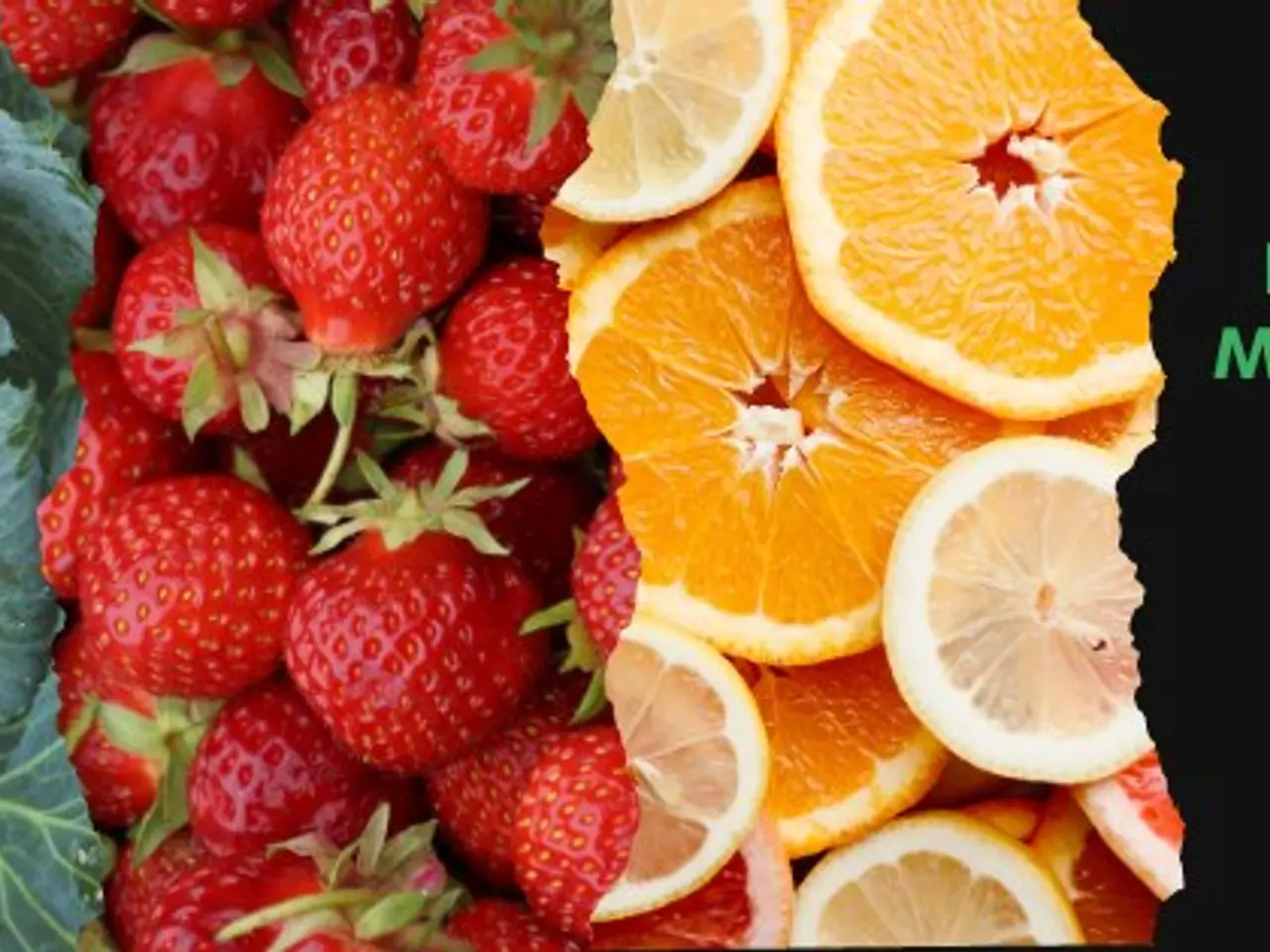
The UK government is pushing ahead with a new nutrient profiling model (NPM) to combat child obesity. First introduced in 2018, the system aims to restrict advertising and promotions for foods high in salt, sugar and saturated fats. But food producers and retailers warn the changes could bring unexpected costs and complications. The updated NPM replaces an older version from 2004-05 by classifying more products as 'less healthy'. Under the new rules, even fruit yoghurts, breakfast cereals and smoothies could face restrictions. These items might be banned from prime shop locations or online adverts.
The government argues the model strikes a fairer balance between nutritional benefits and harmful ingredients. Officials believe it will help reduce childhood obesity by limiting exposure to unhealthy foods. However, industry groups claim the impact assessment is incomplete and overly optimistic.
Major manufacturers like Danone, which reported €27bn in sales last year, support the health goals but question the practicality of the 2018 model. Reformulating products to meet the new standards could prove too costly, according to producers. Retailers also fear additional expenses from relabelling and reorganising store layouts. The new NPM took effect in January, giving businesses little time to adapt. If enforced strictly, it could reshape how everyday foods are marketed and sold. The long-term effects on manufacturers, retailers and consumers remain unclear.