The dark side of immortality: Why endless life may not be a blessing
In his extraordinary travels, Gulliver reaches the land of Luggnagg, where he hears tales of the Struldbrugs—beings who never die. At first, Gulliver is captivated by the idea of immortality, imagining individuals who have witnessed all of human history and accumulated unparalleled wisdom. He even assumes they must be the happiest of all living people. But gradually, he comes to understand that while the Struldbrugs do not die, they continue to age like ordinary humans—and their existence is utterly wretched. Frail, lonely, and isolated, they are declared legally dead at eighty, after which the people of Luggnagg lose all interest in them. Eternal life without eternal youth, it turns out, is a curse. We should pity the Struldbrugs, not envy them.
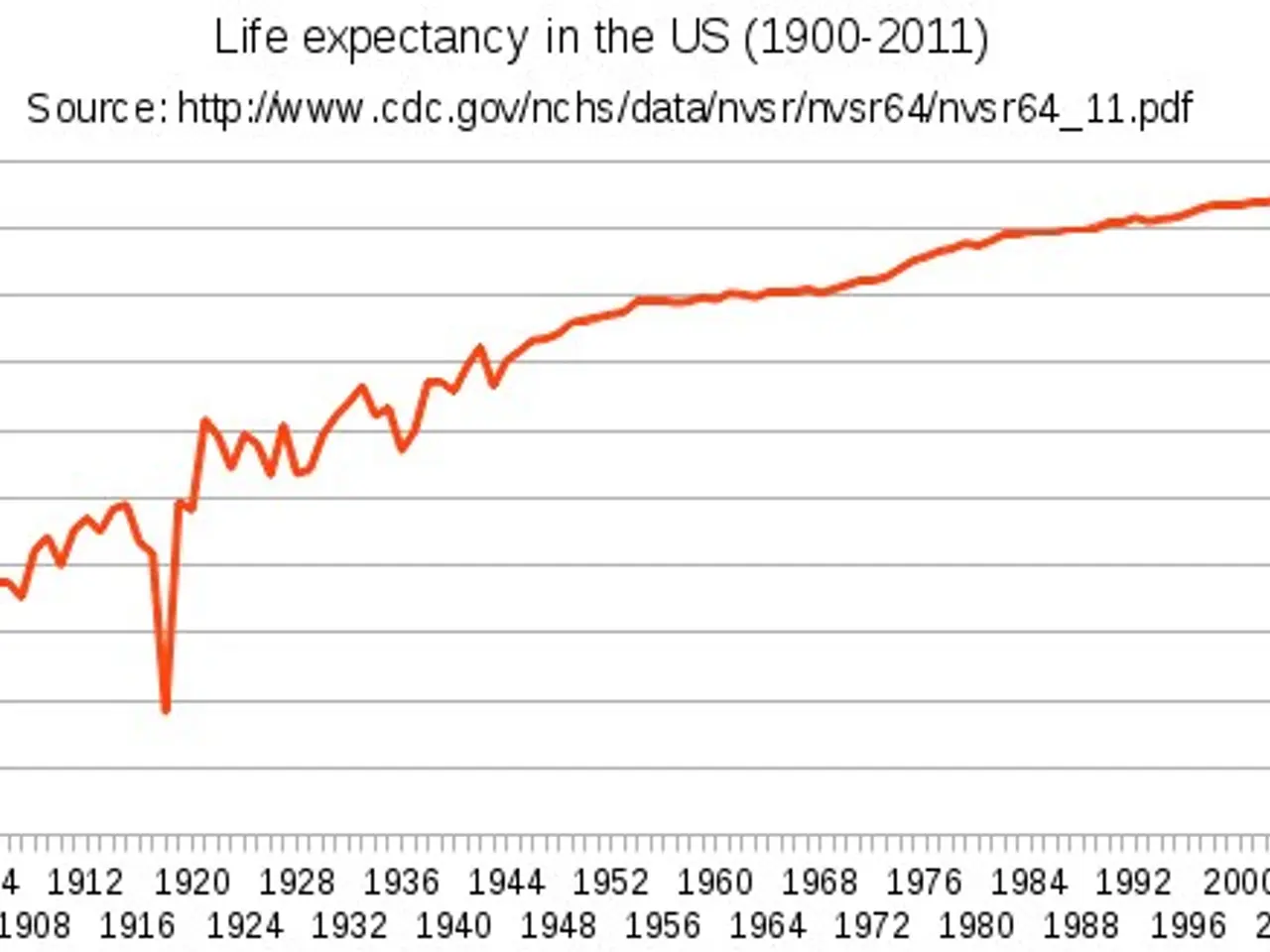
So the question arises: Are we becoming the new Struldbrugs? We are not immortal, but if demographers are correct, we will live far longer, and in Silicon Valley, there are those who believe they will simply forget how to die. The real question is: Should we rejoice in our longevity or despair over it? Should we care more about how long we live—or how long we stay healthy? Daniel Kahneman, the world's foremost expert on decision-making, chose at ninety to end his life in 2024, arguing that he had reached the point where life no longer brought him joy. Should we follow his example?
Economists are already grappling with how the combination of longer lives and fewer children will reshape labor markets and transform welfare states. People will remain productive far longer—one in four Japanese over sixty still works—but it is clear that aging, shrinking societies will rely far more on robots and immigrants if they hope to maintain their standard of living. Where last century's elderly might have expected to spend their final years at home, surrounded by children and grandchildren, the reality is now undeniable: many will pass those years in nursing homes, attended by robots and caregivers.
But what does longevity mean for our democracies?
The good news is that aging societies tend to be more peaceful and democratic. Italian political analyst Federico Fubini has observed that in today's world, no society can be both young and free. Of the 146 countries with populations over two million, the 38 that Freedom House classified as "fully free" in 2020 were all, without exception, aging societies. "Correlation, of course, is not causation," Fubini emphasizes. "Political freedom does not make populations age, nor are older societies inherently more fertile ground for democracy." Still, it is telling that in Germany and Italy—Europe's oldest societies—more than half of eligible voters are over fifty. Just 23 percent are under thirty, while 26 percent are over sixty. In West Germany's 1987 elections, 23 percent of voters were under thirty and 26 percent over sixty. By 2021, the under-thirty share had dropped to 14.4 percent, while the over-sixty cohort had risen to 38.2 percent. In a few decades, the majority of voters in some European countries will be over sixty.
The bad news is that in aging societies, young people are far more disillusioned with democracy. And just as importantly, the political preferences of older and younger voters diverge starkly. Countries with fewer young people tend toward conservatism, lacking boldness and long-term vision. They resist change more than they embrace it. Consider the relative tolerance for deflationary trends among millions of voters in Europe and Japan, many of them retirees, or the growing reluctance in democratic nations to take risks in geopolitical crises. With younger generations making up an ever-smaller share of the population, they live with the constant fear of being perpetually outvoted.
Demographic change also means that an ever-growing share of voters are of retirement age, some of whom suffer from dementia or other cognitive impairments. Should societies restrict the voting rights of the oldest citizens just as they do for the youngest? Should they consider giving younger people more than one vote? If we fail to confront the political challenges of aging and shrinking populations, we risk deepening generational tensions—damaging both our economies and our political systems.
Then there's another pressing question: How will the prospect of longer lives shape our life choices and the way we think about the future? Do people without children have a shorter time horizon than those with children? If we expect to live and remain active into our eighties and nineties, does that mean we must prepare for more than one career in our lifetimes? How will greater longevity transform our financial strategies?
In 2013, Yale economist Keith Chen published a study arguing that speakers of languages—like German or Chinese—that use the present tense to describe future events tend to save more, retire with greater wealth, smoke less, and engage in more future-oriented behavior than speakers of languages like English, which grammatically distinguish between present and future. Should we rewrite English grammar if we want to be ready for the world of tomorrow? Does knowing we'll live longer make us think more—or less—about the final years of our lives? Will we prioritize building nursing homes over daycare centers?
Increased longevity shifts our sense of time—and that means our institutions must shift with it.
Read also:
- India's Agriculture Minister Reviews Sector Progress Amid Heavy Rains, Crop Areas Up
- Sleep Maxxing Trends and Tips: New Zealanders Seek Better Rest
- Over 1.7M in Baden-Württemberg at Poverty Risk, Emmendingen's Housing Crisis Urgent
- Cyprus, Kuwait Strengthen Strategic Partnership with Upcoming Ministerial Meeting