The Timing Is Striking: Amid Rising Trade Conflicts
Uzbekistan races to join WTO by 2026 amid rising trade tensions
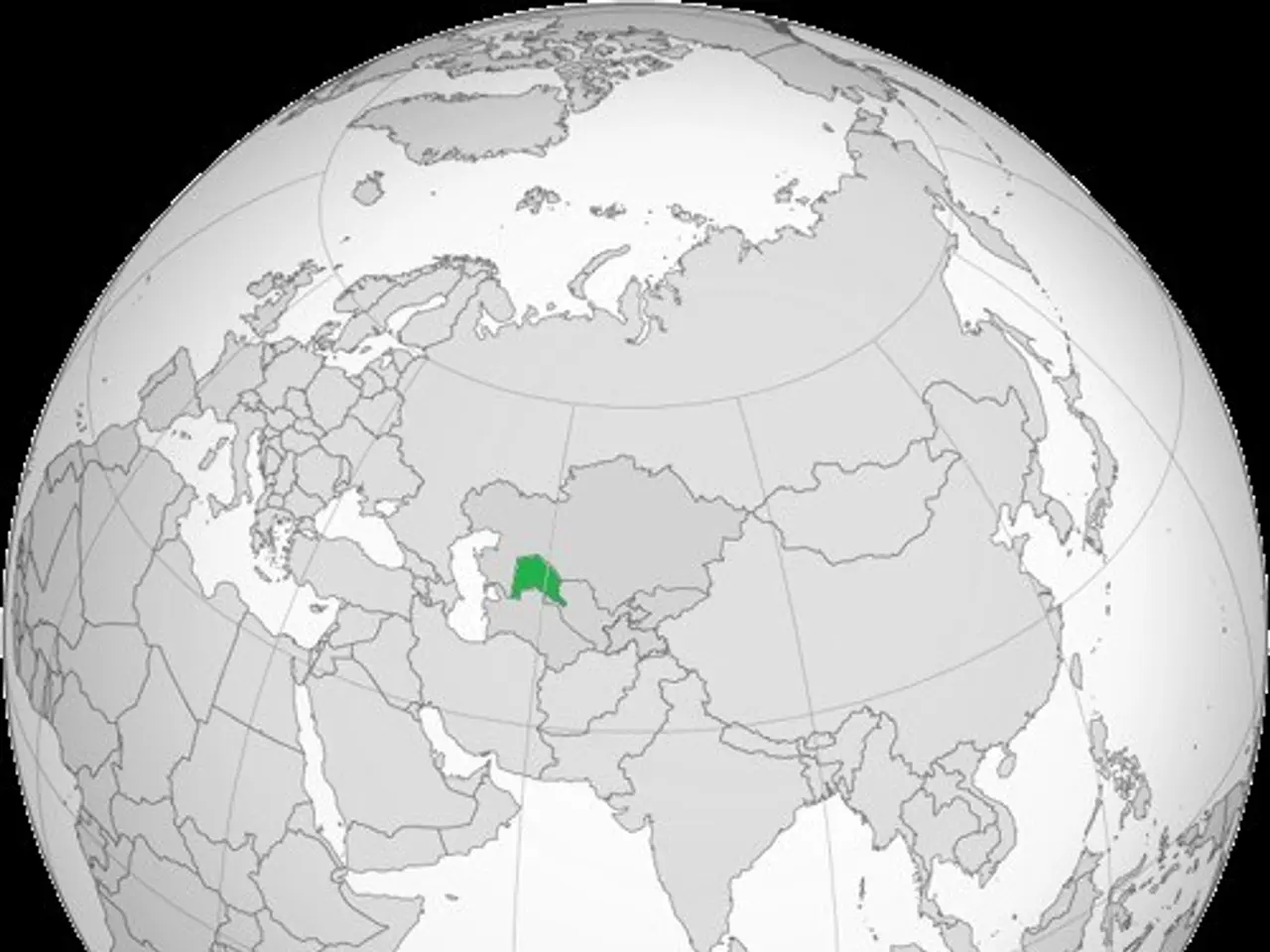
At a time of escalating trade disputes, surging global tariffs, and a wave of new protectionist measures, Uzbekistan's push to join the World Trade Organization (WTO) seems almost counterintuitive. While multilateralism and free trade face mounting pressure worldwide, the Central Asian nation is deliberately opting for deeper integration into the rules-based global trading system. Within its region, however, Uzbekistan is not a pioneer but rather a latecomer—Kazakhstan (which joined in 2015), Kyrgyzstan (1998), and Tajikistan (2013) are already WTO members. By acceding, Uzbekistan would further strengthen Central Asia's economic ties to global trade.
A Cornerstone of Economic Transformation
For Uzbekistan, WTO membership is far more than just a trade policy decision—it represents a key pillar of the country's broader economic overhaul. Since 2016, the government has pursued a reform agenda aimed at greater market liberalization, reduced state control, and enhanced appeal for foreign investors. WTO accession is meant to institutionally anchor this course. The expected benefits include a surge in foreign direct investment, improved export opportunities, and greater legal certainty. For international businesses, WTO rules serve as a critical signal of reliability and transparency.
Yet the move also carries risks. Opening markets will intensify competitive pressure on domestic firms, particularly in industry and agriculture. Many analysts anticipate short-term adjustment costs and structural disruptions. To mitigate these challenges, Uzbekistan is currently negotiating transition periods of several years for its most vulnerable economic sectors.
Substantively, most issues have already been resolved. Uzbekistan has finalized the bulk of its bilateral market access agreements with WTO members and overhauled numerous laws to align with international standards. The remaining points of contention largely concern technical details—such as the treatment of state-owned enterprises, subsidies, and product standards—rather than fundamental principles. The focus now is on the practical implementation and enforcement of commitments.
The most significant remaining hurdle is procedural. One final bilateral agreement is still outstanding. Until it is concluded, the accession process cannot be completed. Compounding the challenge is the WTO's consensus-based decision-making: every member must approve, which could introduce further delays.
The timeline thus remains uncertain. While the Uzbek government maintains its goal of finalizing WTO accession by 2026, the actual date hinges on the outcome of the last negotiations and unanimous approval from all WTO members. Economically, Uzbekistan is largely prepared—but as experience shows, the final steps are often the hardest.
Read also:
- India's Agriculture Minister Reviews Sector Progress Amid Heavy Rains, Crop Areas Up
- Over 1.7M in Baden-Württemberg at Poverty Risk, Emmendingen's Housing Crisis Urgent
- Life Expectancy Soars, But Youth Suicide and Substance Abuse Pose Concern
- Cyprus, Kuwait Strengthen Strategic Partnership with Upcoming Ministerial Meeting