Structured mobility plans boost independence and health in older adults
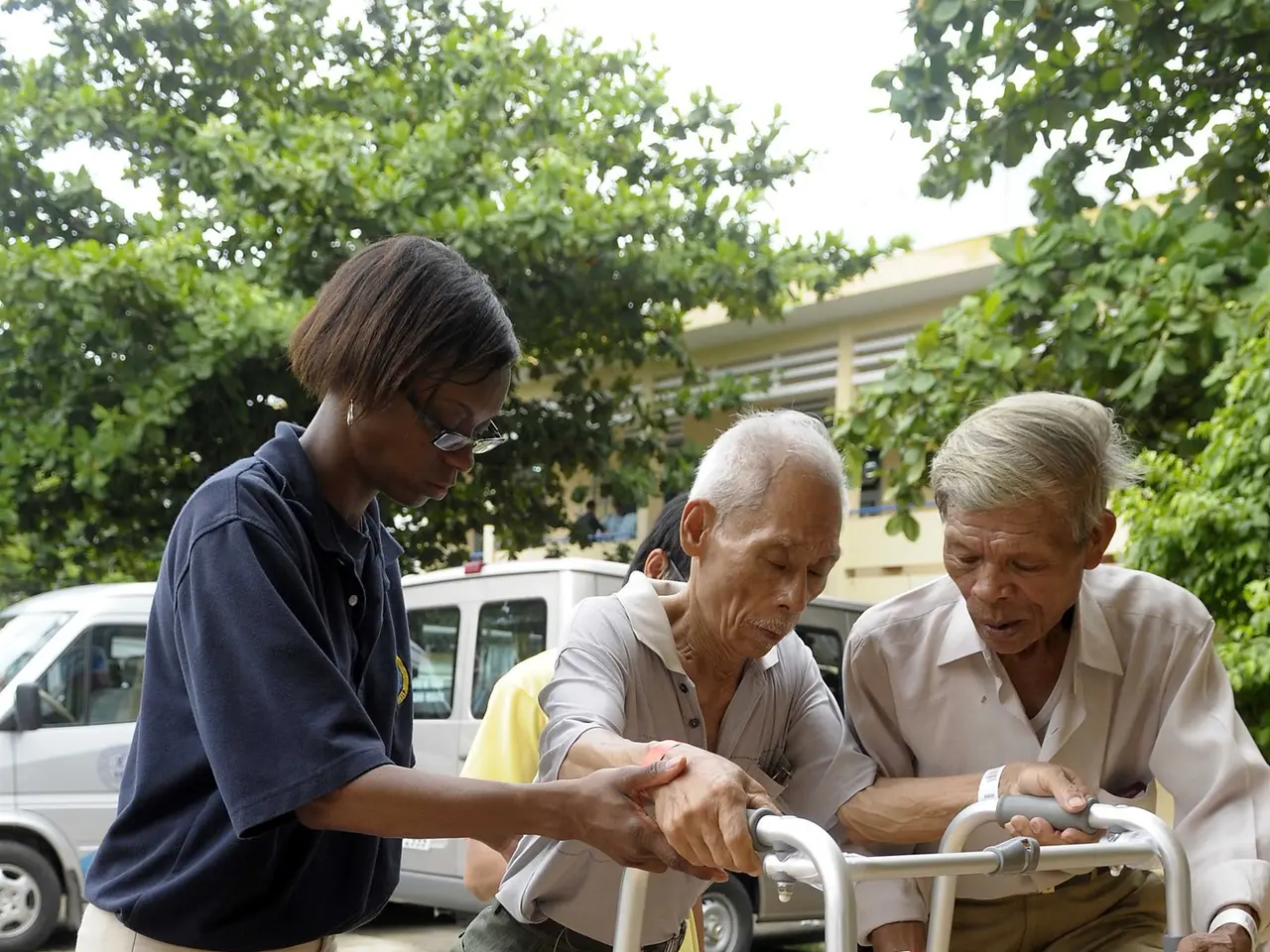
A new study published in BMC Geriatrics examines how structured mobility plans can improve daily movement and independence in older adults. Researchers used wearable sensors and real-time monitoring to track progress, aiming to reduce long-term healthcare costs while enhancing quality of life. The study highlights the serious risks linked to mobility loss in older people. Reduced movement often leads to higher chances of falls, hospital stays, and even early death. To address this, the team introduced a tailored programme with personal mobility goals, regular exercise sessions, and home adaptations.
An interdisciplinary team—including geriatricians, physiotherapists, nurses, and occupational therapists—worked together to implement the plan. Wearable sensors and real-time tracking helped assess progress, while strategies like team meetings and patient-focused communication boosted participation. Despite positive results, challenges remained. Staff engagement varied, and patient motivation fluctuated over time. Still, the findings showed clear benefits: improved physical health, better psychological well-being, and a potential protective effect against cognitive decline. The researchers argue that structured mobility plans should become standard in geriatric care. By integrating these programmes, they believe healthcare systems could cut long-term costs while keeping older adults more active and independent.
The study confirms that a well-structured mobility plan can enhance both physical and mental health in older adults. It also suggests that better mobility may help slow cognitive decline. With further refinement, such programmes could become a key part of elderly care, reducing healthcare burdens and improving daily living.