Small-Scale Blueberry Farm Thrives Despite Financial Challenges in Pennsylvania
Harry and Susan Jones own Bridge Avenue Berries, a blueberry farm in Allenwood, Pennsylvania. The farm earned USDA organic certification in 2021, which led to a surge in visitors and interest. Had they bought the property 30 years ago, they likely would have grown a wider variety of crops.
"I've wanted to run my own business since I was a kid, but it never quite worked out," Harry says. "I tried starting a small nursery, but we couldn't compete with the big operations and had to shut it down."
Then a blueberry farm they'd been picking at for years went up for sale. "The first time I mentioned buying it, she said, 'No way,'" he recalls of his wife's reaction. A few months later, they were back to pick berries—and the farm still hadn't sold. They struck up a conversation with the owner and took over in March 2018.
There wasn't much time to adjust. Blueberry season starts in early July, and they had just four months to prepare. That first summer felt like drinking from a firehose. "We learned everything at once—pests, soil, customers—mostly the hard way," Harry says.
He didn't start from scratch. With a background in horticulture, an associate degree in nursery management, and years of experience in landscaping, he'd spent most of his life working with plants. Still, running a blueberry farm presented a whole new set of challenges.
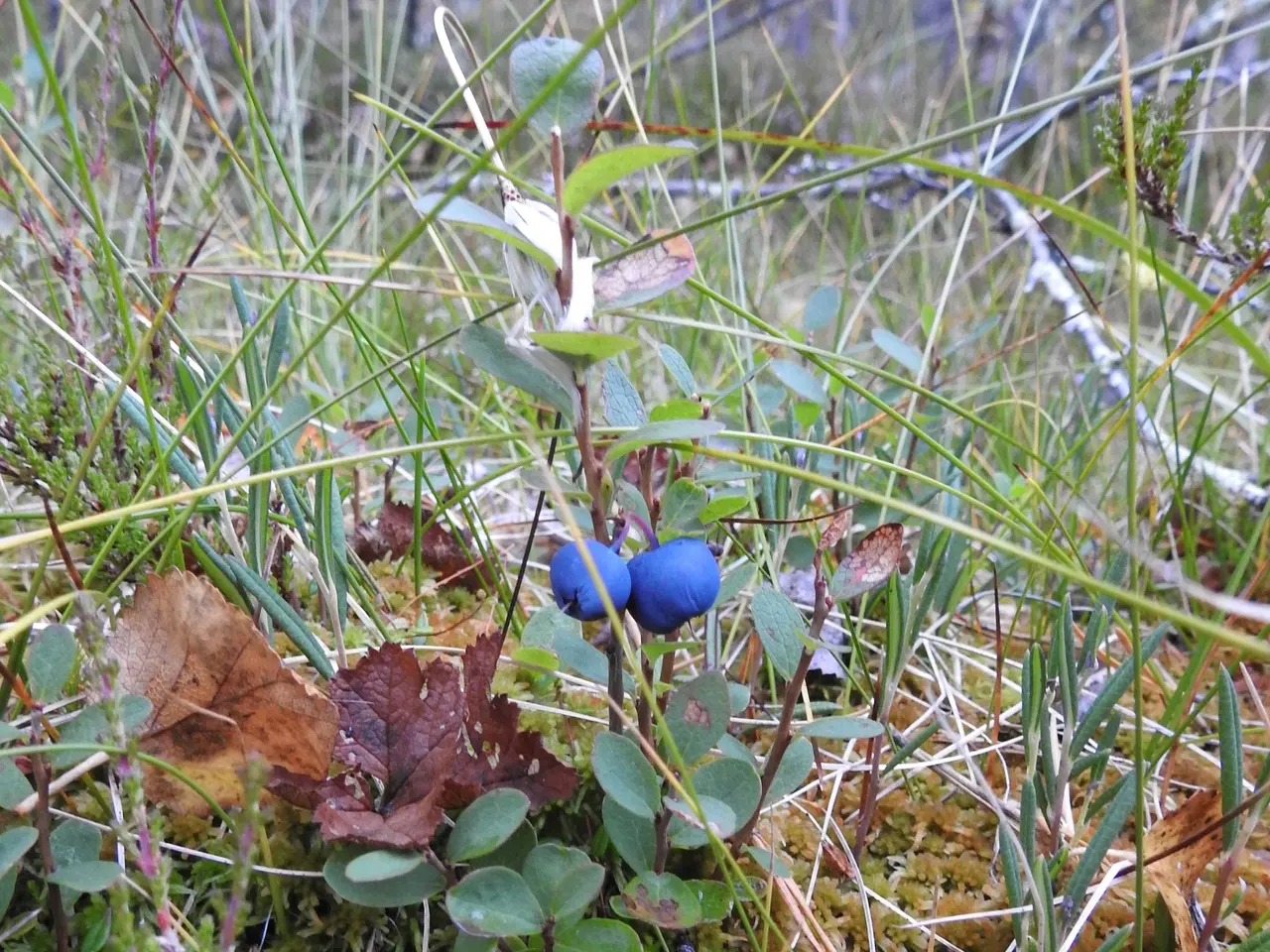
They cultivate about a hectare of blueberries—roughly 3,800 plants—and harvest around 18,000 pounds (about 8,165 kilograms) annually. The catch? It all happens in a 30-day window in July. That month is intense, but the work doesn't end with the season. The rest of the year is spent preparing for the next one.
Throughout it all, Harry kept his full-time job in the lumber industry. They jokingly call the farm his "self-sustaining hobby," but the reality is that even a small operation like theirs struggles to turn a profit.
"After covering costs—supplies, repairs, improvements, and all the other expenses that come with a small business—there isn't much left," he admits.
If he were younger, he'd do things differently. At this stage in life, his vision for the farm has changed. "If I were 25 or 30 years younger, I wouldn't run it the way I do now."
Right now, they focus heavily on a single crop. Had he started earlier, he'd have reduced the number of blueberry bushes—maybe from 3,800 to around 2,000—and used the rest of the land for other crops: strawberries, raspberries, pumpkins—something to spread income over more of the year.
That's the biggest challenge of their work. Relying on one crop with such a short season makes it hard to build a stable livelihood.
They've found ways to diversify income slightly. Each year, they freeze about 1,900 pounds (862 kilograms) of blueberries and sell them through winter at local markets and to restaurants.
They farmed organically from the start in 2018, but official recognition took time. To earn USDA organic certification, they had to complete a mandatory three-year transition period, documenting everything from fertilizers to pest control to prove they met the standards.
In spring 2021, they finally received certification. Once they could label their berries "USDA Organic," more customers came, business picked up, and some even drove an hour or more just to pick their fruit.
Over time, though, the downsides added up. Certification cost about $1,400 (roughly €1,190) a year—a steep expense for a small farm—and required inspections and paperwork during their busiest season. More frustrating, Harry says, were what he saw as inconsistencies in the system.
At the start of 2024, we gave up our USDA certification and switched to Certified Naturally Grown, a smaller, farmer-led program. It costs about $350 (roughly €300) per year and still requires us to meet the standards of the National Organic Program—but in a way that's more transparent and better aligned with how we actually run our farm.
Realistically, we'll likely keep operating the farm for another three to five years, then try to sell it so we can have more freedom to travel and visit our three children and nine grandchildren.
I often think about what a younger person could do with this place. It's a productive farm with so much potential. Someone with more time and energy could take it further than we ever did.
Even with what I know now, I'd still buy this farm.
We're happy with what we've built here. It gave me the chance to finally run my own business and work with something I've always loved—plants. And it's been deeply meaningful to see people come here, enjoy the farm, and tell us how much they love it.
Read also:
- India's Agriculture Minister Reviews Sector Progress Amid Heavy Rains, Crop Areas Up
- Over 1.7M in Baden-Württemberg at Poverty Risk, Emmendingen's Housing Crisis Urgent
- Life Expectancy Soars, But Youth Suicide and Substance Abuse Pose Concern
- Cyprus, Kuwait Strengthen Strategic Partnership with Upcoming Ministerial Meeting