Philippines imposes ₱50 rice price cap to combat rising inflation
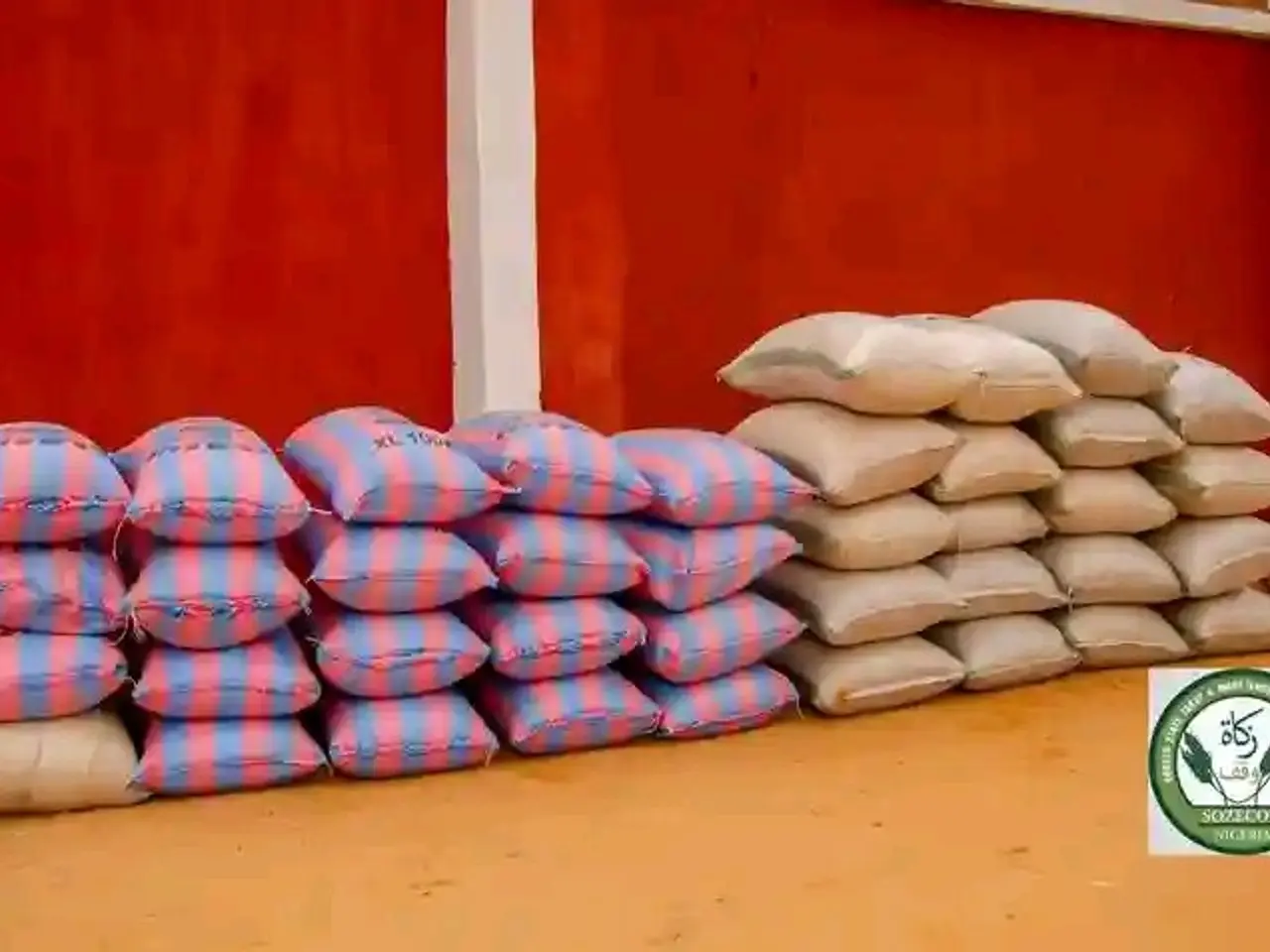
The Department of Agriculture (DA) has set new pricing rules for rice to ease costs for consumers. Starting next week, a strict price cap of ₱50 per kilo will apply to imported rice. Meanwhile, local rice will carry a suggested retail price (SRP) of ₱53 per kilo, agreed upon with industry groups.
On 14 May, the DA introduced a temporary price cap of ₱50 per kilo for imported five-percent broken rice. This measure, lasting 30 days, aimed to stabilise costs amid rising inflation. Full enforcement of the cap begins next week.
The DA also worked with rice millers and industry stakeholders to set an SRP of ₱53 per kilo for local rice. This figure balances farmers’ earnings with household budgets. Industry groups have accepted the proposed price, signalling cooperation with the government’s plan. A memorandum outlining the SRP details will be released soon. The DA stressed that the ₱53 per kilo SRP serves as a guide for consumers, not a strict ceiling. Authorities recognise rice as a politically sensitive staple, directly impacting inflation and monetary policy decisions.
The new pricing rules take effect as the DA seeks to manage food costs and support both farmers and buyers. The ₱50 cap on imported rice will be enforced from next week, while the ₱53 SRP for local rice provides a reference point for fair pricing. These steps follow consultations with industry players to ensure stability in the market.
Read also:
- India's Agriculture Minister Reviews Sector Progress Amid Heavy Rains, Crop Areas Up
- Over 1.7M in Baden-Württemberg at Poverty Risk, Emmendingen's Housing Crisis Urgent
- Life Expectancy Soars, But Youth Suicide and Substance Abuse Pose Concern
- Cyprus, Kuwait Strengthen Strategic Partnership with Upcoming Ministerial Meeting