Laying Off Employees at Will: Successful Human Resources Approaches
In the ever-evolving world of business, understanding the intricacies of at-will employment and its implications becomes crucial. This article, penned by Molly Hall McGrath, offers valuable insights and leadership tools for employers seeking to navigate the complexities of terminating at-will employees.
The article delves deeper into the topic on its blogs, providing a deeper understanding of the legal and practical aspects of at-will employment terminations. It also features a weekly Hiring & Empowering Solutions podcast, where industry experts discuss various HR best practices and workplace strategy tips.
For employers operating under the at-will employment model, which allows terminations at any time without cause, it's essential to approach terminations with care to avoid legal scrutiny. The foundation for avoiding costly litigation lies in following documented policies, applying them consistently, and making non-discriminatory decisions.
## Documenting Termination
Before terminating an at-will employee, it's crucial to review their personnel file for relevant documentation, including performance reviews, written warnings, attendance records, and any policy violations. Ensuring that all documents are accurate and up-to-date is paramount.
Detailed records of any issues leading to termination, such as disciplinary actions or performance problems, should also be kept. Including dates and descriptions of incidents, as well as any corrective actions taken, is essential.
A clear, fact-based reason for the termination decision should be specified, ensuring that it aligns with company policies and legal standards.
## Communicating Termination
A comprehensive termination document should be prepared, outlining the employee's name, job title, last day of work, final paycheck details, benefits continuation if applicable, and items to be returned to the company. The employee should sign the document and receive a copy.
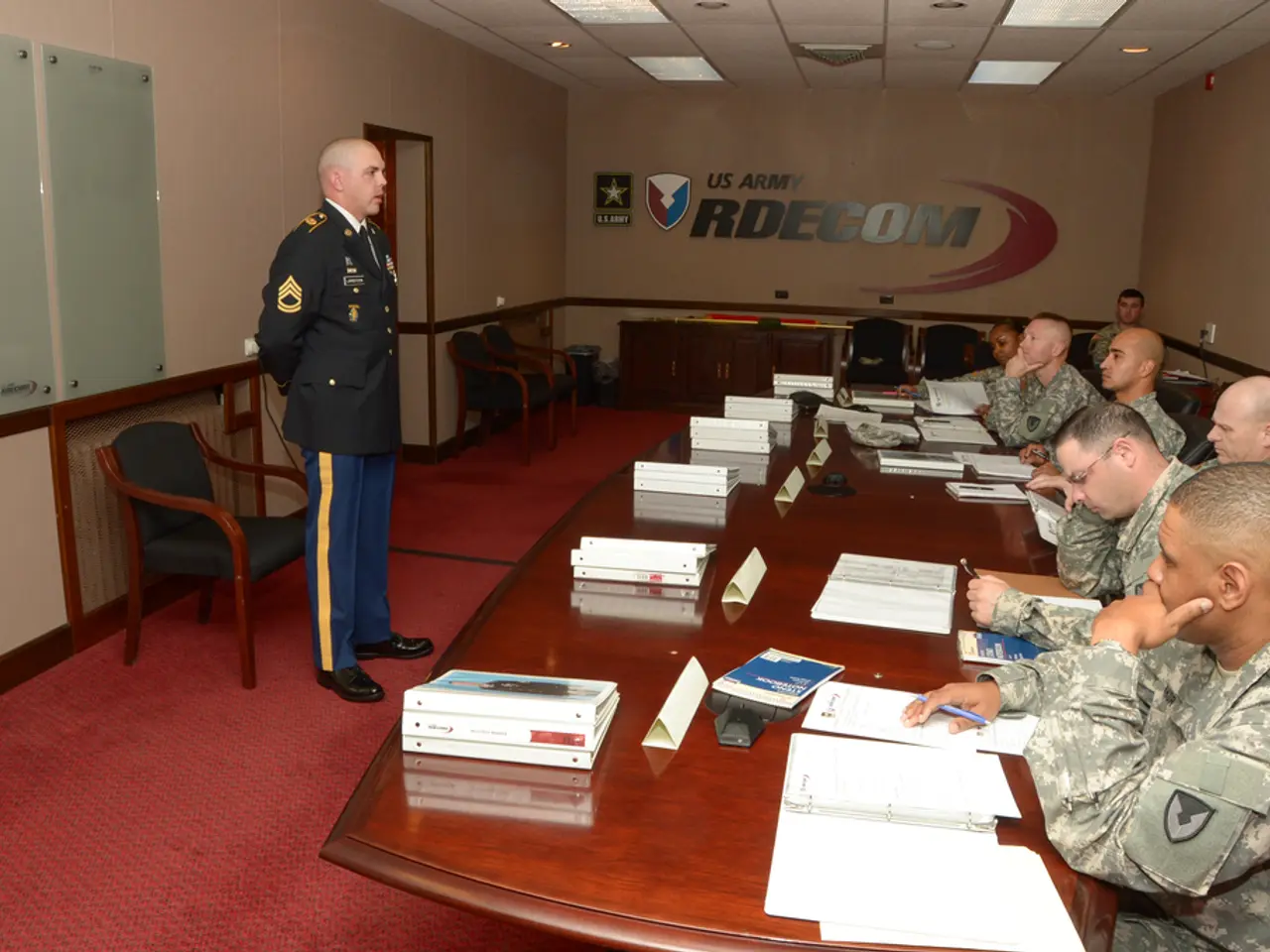
A respectful termination meeting should be conducted, ideally with HR present. During this meeting, the employer should be direct, clear, and respectful, bringing all relevant documentation to support the termination decision.
## Avoiding Disputes and Legal Issues
Standardizing the termination process for all employees is key to avoiding claims of discrimination. Having HR or legal experts review all documentation and procedures can prevent potential legal issues.
Clear communication throughout the termination process is also crucial. Employers should clearly communicate the terms of the termination and any next steps, such as returning company property.
By following these steps, employers can minimise the risk of disputes and potential legal issues when terminating at-will employees. The article also provides additional HR resources on its website to assist employers in navigating the complexities of at-will employment.
Readers can access the article on various platforms, including Amazon Music, Apple Podcasts, Spotify, Google Podcasts, Stitcher, and YouTube.
In the realm of business, understanding the financial implications of properly documenting and communicating at-will employment terminations is crucial. The article, authored by Molly Hall McGrath, not only highlights the importance of documented policies and non-discriminatory decisions but also recommends creating a comprehensive termination document and standardizing the termination process to prevent legal disputes.