WPP CEO Mark Read Discusses Energy Sector Clients, Virtual Worlds, and Coca-Cola Collaborations
In the realm of advertising, a movement known as "greenwashing" has gained traction, targeting companies that present themselves as environmentally friendly while continuing to engage in practices harmful to the environment. This movement has sparked scrutiny, and WPP, a global marketing and communications company, finds itself at the centre of this debate.
WPP's organic revenue grew by 6.5% to $13.9 billion (10,397 billion pounds) in 2021, marking a 2.9% advance over pre-pandemic conditions. However, the company's extensive business relationships with major fossil fuel companies, including Shell, BP, Total, ExxonMobil, Drax, and Saudi Aramco, have raised concerns. These firms represent some of the world's largest polluters, and WPP's work with them has led to accusations of greenwashing—the practice of portraying fossil fuel companies as environmentally responsible despite their core business significantly contributing to climate change.
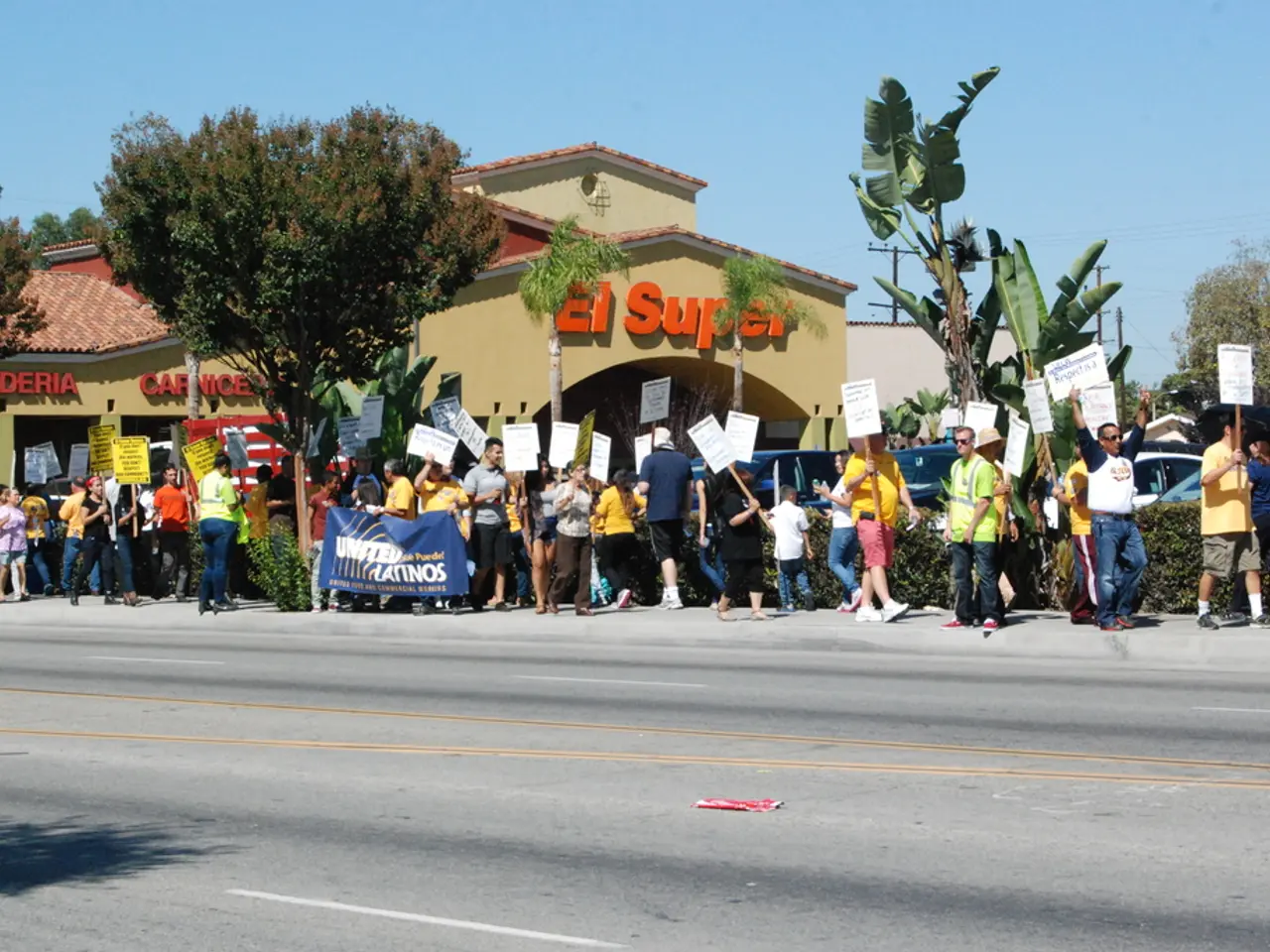
Environmental campaigners and climate activists have taken action, occupying WPP’s London headquarters and calling for the company to sever ties with these clients. They accuse WPP of enabling corporate disinformation and delaying structural change to combat the climate crisis.
Despite this pressure, WPP has not publicly addressed or altered its stance on sustainability in relation to its fossil fuel clients or the greenwashing allegations. The company did not respond to requests for comment in the investigations, indicating a lack of transparency on this issue.
While the data does not explicitly show how WPP's involvement with fossil fuel clients has affected its financial outcomes, the company's continued dependence on these contracts suggests that they remain a significant revenue source. This continued dependence, coupled with the absence of any reported negative financial impact from these controversies, indicates that, at least financially, there has been no evident impact from these controversies.
Worth noting is that WPP has its own internal sustainability movement, but this focus appears to be on internal operations rather than on its clients. The company's chief executive is Mark Read, and WPP continues to work with fossil fuel-burning energy companies.
Meanwhile, GroupM, a media business within WPP, delivered a robust 36% organic revenue growth in 2021.
In summary, WPP's stance seems to be maintaining its business relationships with fossil fuel clients despite the growing criticism concerning greenwashing. The company has not publicly addressed the sustainability concerns linked to these clients, and the available data does not indicate any detrimental effect on its financial performance due to these associations.
The financial growth of WPP, as shown by their organic revenue increase in 2021, has not appeared to be negatively impacted by their extensive business relationships with major fossil fuel companies, despite accusations of greenwashing due to their practices contributing to climate change. These energy companies, including Shell, BP, Total, ExxonMobil, Drax, and Saudi Aramco, remain significant revenue sources for WPP.