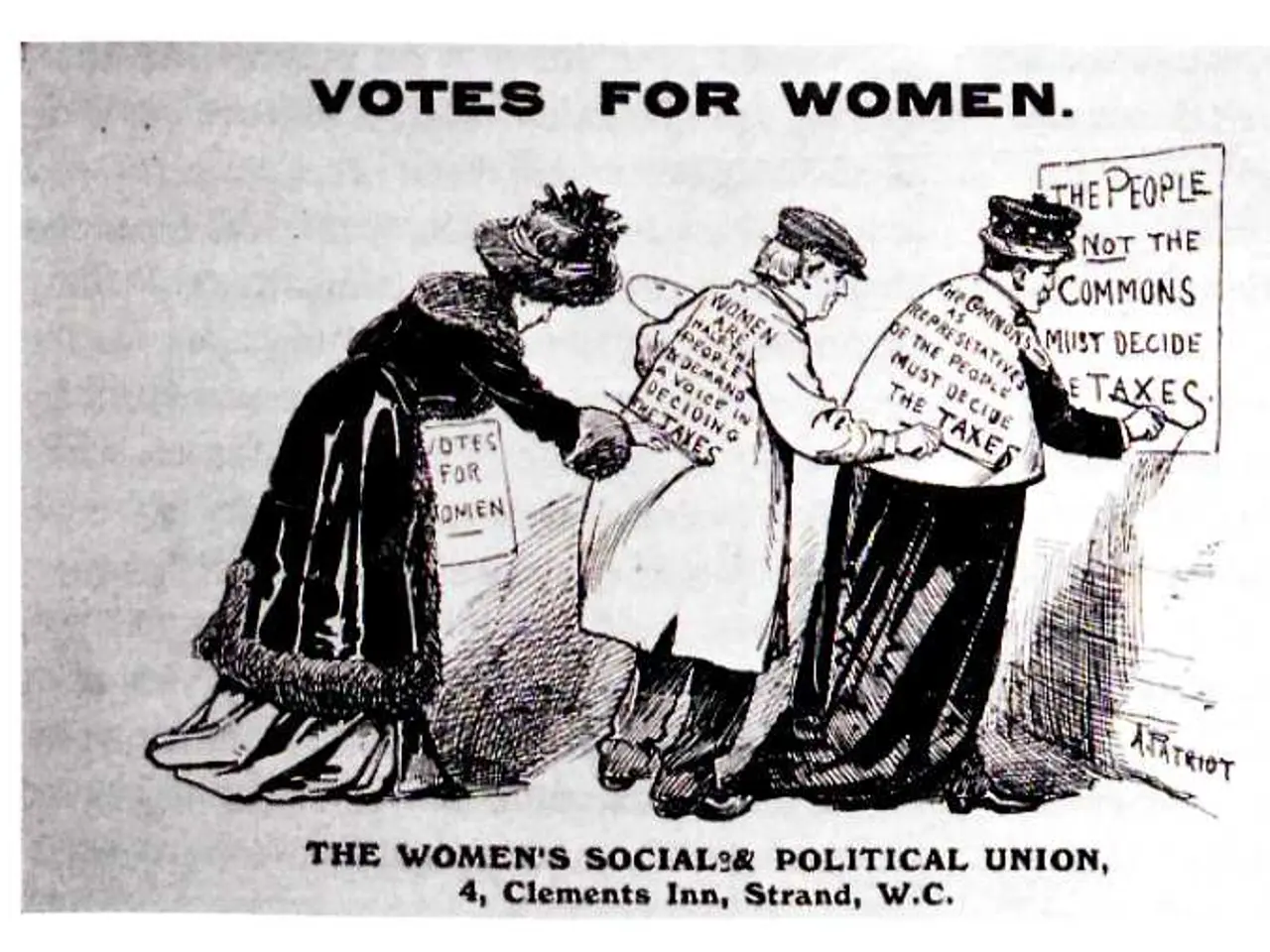
Why Women's Leadership Must Go Beyond Symbols to Shape Policy
Women's Month has renewed calls for deeper change beyond symbolic representation. Experts argue that real progress depends on women gaining control over budgets, laws, and how policies are put into action. The focus now shifts to ensuring women hold substantive authority in the institutions that shape daily life.
Women in decision-making roles directly influence key areas like education, health, labour, and climate resilience. Their leadership often leads to stronger social protections, better investments in human capital, and more inclusive disaster planning. In vulnerable communities, women's involvement in climate and disaster adaptation has been shown to reduce losses and protect livelihoods.
Policy choices made by women create ripple effects across society. They determine how services are delivered, where resources go, and whose voices are heard. Economic empowerment also plays a crucial role, as financial independence strengthens women's bargaining power both at home and in public life.
Building a pipeline of women leaders requires targeted investment. Mentorship programmes, training, and funding for candidate development are essential to increase their numbers in local government. Professionalising care work and embedding gender equality into school curricula can further reshape expectations for future generations.
Local leadership remains the foundation for broader influence. Barangay captains, city councilors, and provincial officials manage vital services and enforce policies that impact communities daily. Yet, despite these roles being critical, recent data on the exact number of women holding such positions—or specific programmes to boost their representation—remains limited.
The push for lasting change hinges on women gaining real authority over decisions that affect everyday life. Without control over budgets, laws, and implementation, progress stays superficial. The next steps must focus on concrete measures to turn representation into meaningful influence at every level of governance.
Read also:
- India's Agriculture Minister Reviews Sector Progress Amid Heavy Rains, Crop Areas Up
- Sleep Maxxing Trends and Tips: New Zealanders Seek Better Rest
- Over 1.7M in Baden-Württemberg at Poverty Risk, Emmendingen's Housing Crisis Urgent
- Life Expectancy Soars, But Youth Suicide and Substance Abuse Pose Concern