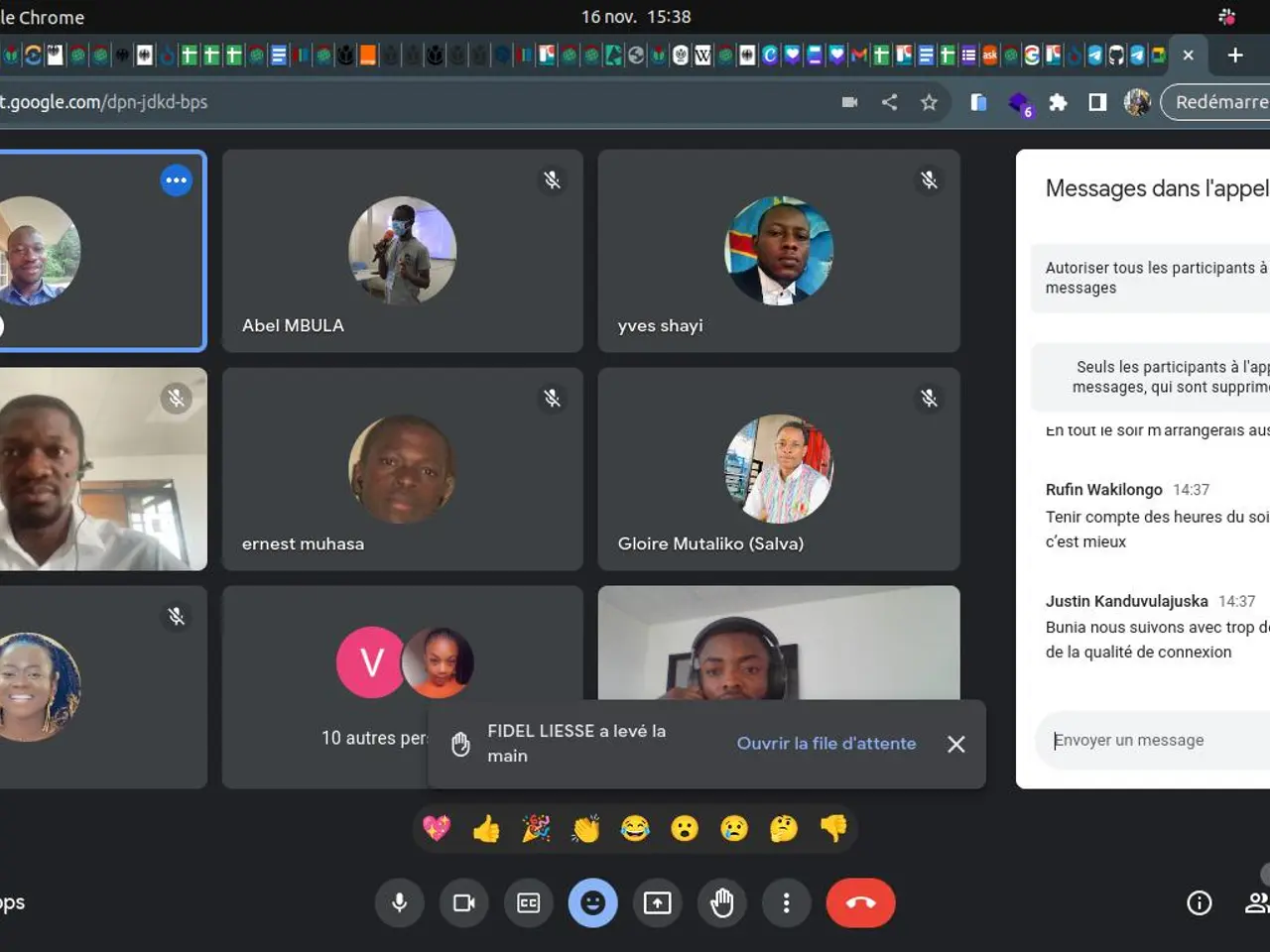
Why Jitsi Meet is the privacy-first rival to Google Meet
Jitsi Meet is gaining attention as a secure, open-source alternative to mainstream video conferencing tools like Google Meet. Unlike platforms such as Zoom or Microsoft Teams, it offers full privacy control by allowing users to host meetings directly in their own infrastructure. The software is designed for those who prioritise data security and flexibility without relying on third-party cloud services.
The platform supports a wide range of features, including HD video, screen sharing, and real-time chat. Users can also moderate meetings, record sessions, and enable end-to-end encryption for added security. These capabilities make it suitable for team discussions, private business calls, remote education, and internal company communications.
One of the key advantages of Jitsi Meet is its ability to run entirely on self-hosted servers. This gives organisations complete control over meeting data, media traffic, and user access. When deployed on Debian 12, the system benefits from a stable, long-term supported operating environment with strong security measures. The architecture behind Jitsi Meet includes several critical components. These range from a web server like Nginx to a media server (Jitsi Videobridge) and signalling tools (Prosody and Jicofo). Transport protocols such as UDP and TCP ensure smooth communication, while TLS encryption—via Let's Encrypt or PKI—protects data in transit. To maintain security, best practices recommend serving Jitsi only over HTTPS and using Let's Encrypt SSL certificates. Administrators should also restrict open ports, enable room moderation, and keep all software packages updated. Regular monitoring of system resources further strengthens protection against potential vulnerabilities. While no specific organisation is publicly confirmed to self-host Jitsi Meet on Debian 12, the Raku Steering Council has used the public instance at meet.jit.si for its meetings.
Jitsi Meet provides a robust, privacy-focused solution for video conferencing without external dependencies. Its open-source nature and self-hosting options appeal to users who need full control over their communication tools. With proper setup and security measures, it serves as a reliable alternative to commercial platforms like Google Meet.
Read also:
- India's Agriculture Minister Reviews Sector Progress Amid Heavy Rains, Crop Areas Up
- Sleep Maxxing Trends and Tips: New Zealanders Seek Better Rest
- Over 1.7M in Baden-Württemberg at Poverty Risk, Emmendingen's Housing Crisis Urgent
- Cyprus, Kuwait Strengthen Strategic Partnership with Upcoming Ministerial Meeting