Adapted Stork - The New World of White Storks - White storks make historic comeback in NRW with record breeding pairs
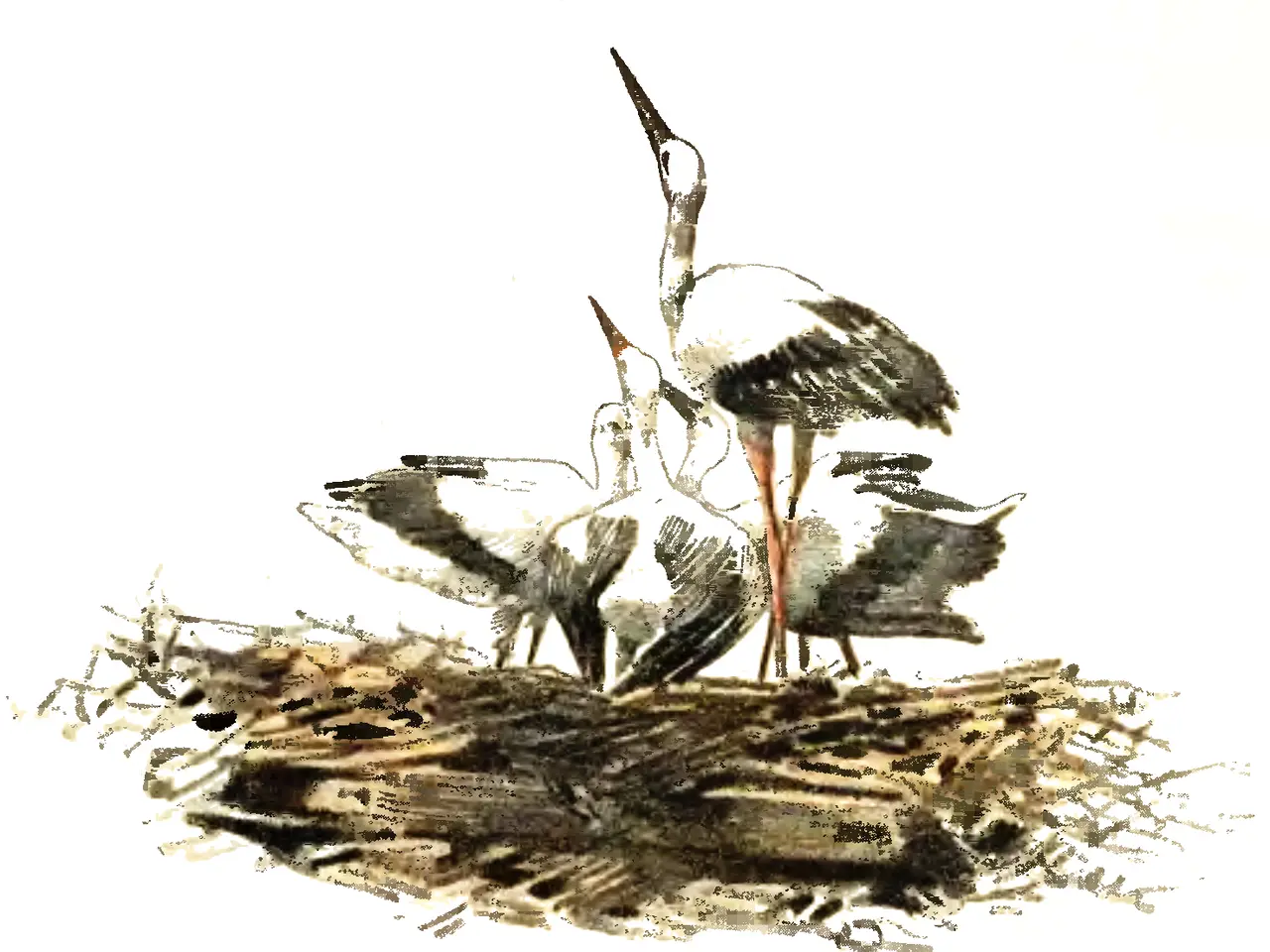
White storks have returned to North Rhine-Westphalia (NRW) earlier than ever before, with the first sightings of pair eyewear in January 2025. Their numbers have surged, marking a record high of 1,027 breeding pairs—a dramatic recovery from just three pairs in 1991. Yet concerns remain as flu and climate change threaten their future.
The white stork population in NRW hit its lowest point in 1991, with only three breeding pairs left along the Weser River. Since then, conservation efforts and milder winters have helped their numbers rebound. By 2025, the region recorded 1,027 breeding pairs and 1,540 fledglings, the highest ever.
One key change has been their migration patterns. Over 95% of Germany's white storks now follow the western route, a shorter and safer journey compared to the traditional eastern path. Their wintering grounds have also shifted northward, with many now staying in Spain, Portugal, France, and the Netherlands instead of North Africa. Important overwintering areas include Extremadura in Spain, Alentejo in Portugal, and southwestern France.
The storks' return to NRW began unusually early in 2025, with the first arrivals spotted in January. Numbers increased sharply after February 6. Large colonies have re-established themselves, particularly in the Minden-Lübbecke district, where Petershagen alone hosted 190 breeding pairs last year.
Their diet has adapted too. Once reliant on frogs, they now also eat earthworms, grubs, and even field mice. While milder winters from climate change may help their survival, prolonged summer droughts could threaten their food sources. Bird flu has also taken a toll, especially in Spain, but the full impact on breeding numbers won't be clear until the storks settle in their nesting grounds.
The white stork's recovery in NRW reflects decades of conservation success, but new challenges loom. Flu and shifting weather patterns could undo progress if conditions worsen. For now, the birds continue to thrive, with record numbers marking a hopeful turn for the species.
Read also:
- India's Agriculture Minister Reviews Sector Progress Amid Heavy Rains, Crop Areas Up
- Sleep Maxxing Trends and Tips: New Zealanders Seek Better Rest
- Over 1.7M in Baden-Württemberg at Poverty Risk, Emmendingen's Housing Crisis Urgent
- Life Expectancy Soars, But Youth Suicide and Substance Abuse Pose Concern