Washington's gender pay gap widens again in 2024 despite reform efforts
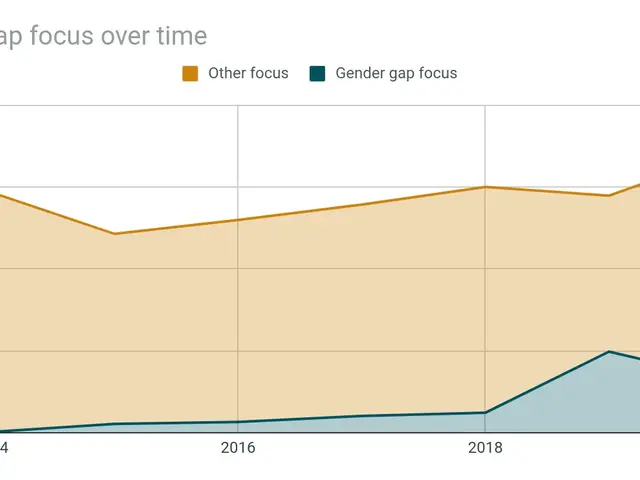
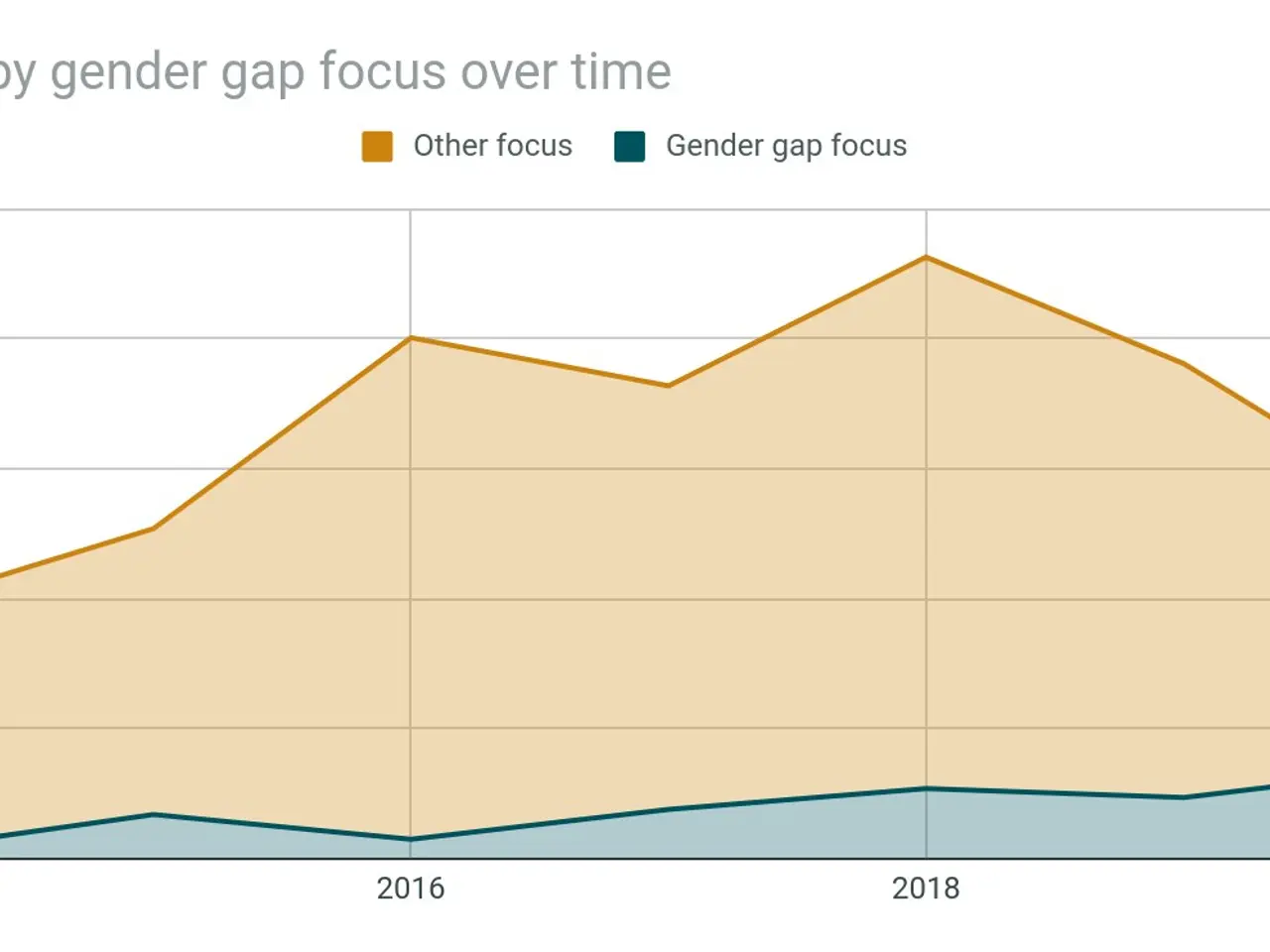
Equal Pay Day in Washington fell on 25 March 2025, marking the 85th day of the year. This date symbolises how far into the new year women must work to earn what men did in the previous one. The state's gender wage gap has widened again, according to the latest 2024 figures. In 2024, women in Washington earned a median income of $18,545 less than men. This gap is the second widest in the US. The disparity grows even larger for women of colour: Latina women earned $37,796 less than white men, while Native American women faced a $33,659 shortfall.
The gap had briefly narrowed in 2023, dropping to $17,400. But the 2024 data shows the problem worsening once more. In response, the Washington State Women's Commission has launched initiatives to tackle the issue. One key effort is the **Activate 3.8** campaign, designed to support women and girls across the state. The commission also focuses on improving retention rates for Black women in public-sector jobs. Another priority is helping women negotiate better salaries. The commission's long-term goal is to create lasting, equitable change. Their work targets systemic barriers that keep the wage gap in place.
The latest figures highlight persistent inequality in Washington's workforce. With the gap widening again, the state's efforts to close it face renewed urgency. The commission's campaigns and support programmes aim to reduce disparities for women, particularly those from marginalised communities.
Read also:
- India's Agriculture Minister Reviews Sector Progress Amid Heavy Rains, Crop Areas Up
- Sleep Maxxing Trends and Tips: New Zealanders Seek Better Rest
- Over 1.7M in Baden-Württemberg at Poverty Risk, Emmendingen's Housing Crisis Urgent
- Life Expectancy Soars, But Youth Suicide and Substance Abuse Pose Concern