Vietnam cracks down on unsafe meat after diseased pigs scandal
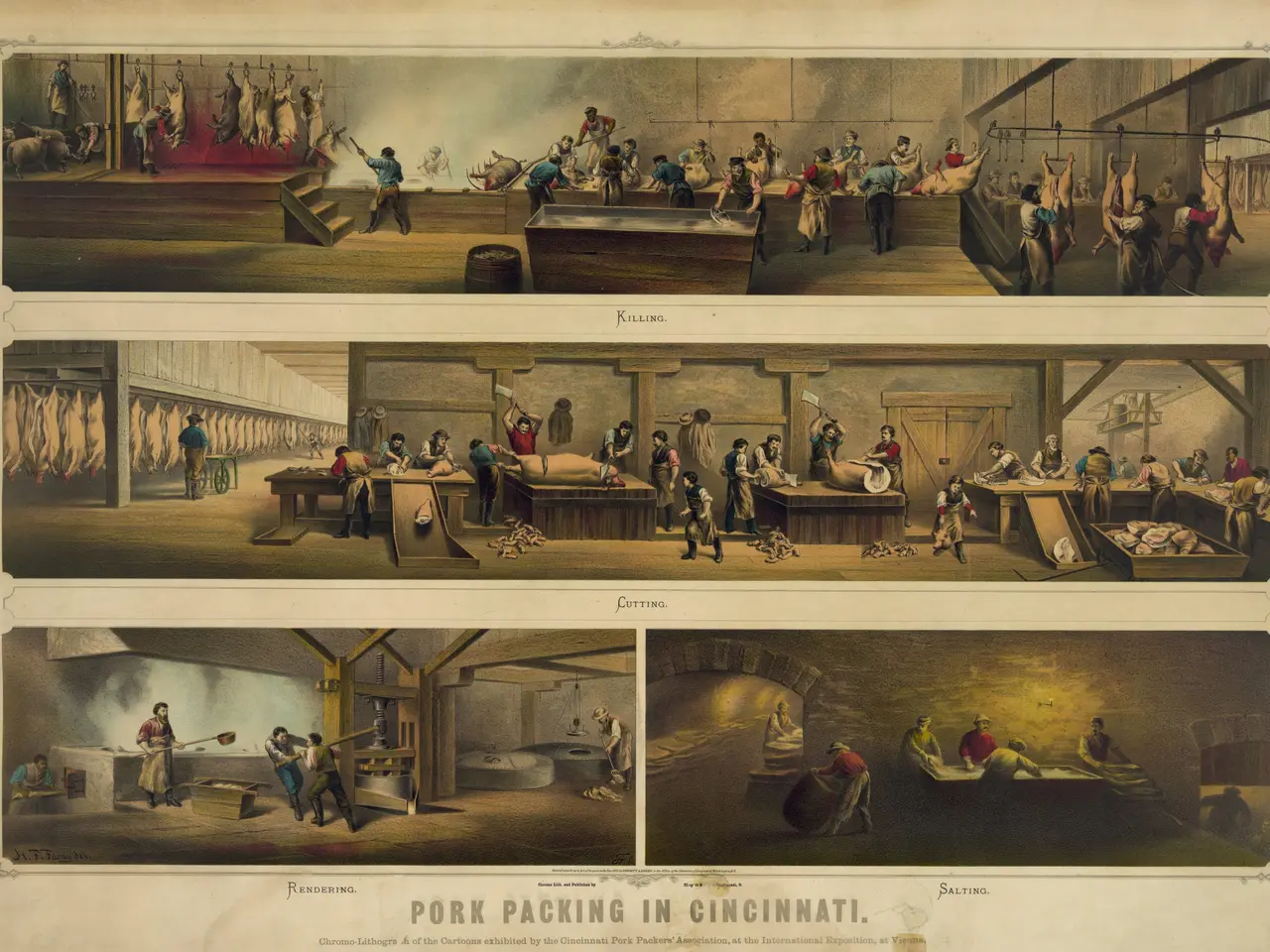
Vietnam has intensified efforts to overhaul its livestock slaughtering sector after a series of food safety scandals. The government's crackdown follows the discovery of diseased pigs entering the food chain, raising serious public health concerns. Officials are now pushing for stricter controls and accountability across the industry. The crisis came to light after Hà Nội police prosecuted eight individuals for slaughtering and distributing around 3,600 diseased pigs in 2026. Investigations revealed that the suspects had colluded with quarantine officials to bypass inspections, allowing unsafe meat to reach markets. This incident exposed gaps in oversight and prompted urgent calls for reform.
Over the past five years, authorities have already shut down thousands of small, unlicensed slaughterhouses nationwide. The Ministry of Agriculture and Rural Development introduced mandatory registration, stricter licensing rules, and increased veterinary supervision to enforce hygiene standards. Despite these steps, the recent scandal has shown that further action is needed.
Phùng Đức Tiến, deputy minister, stressed the importance of tightening discipline and holding officials accountable for lapses. Phan Quang Minh, deputy director of veterinary services, echoed this, urging stronger management of food safety and supply chains. The ministry has now proposed a directive to the Prime Minister, calling for stricter controls from farm inputs to final product certification.
Local authorities have also responded by reviewing school meal programmes after fears that contaminated meat could reach children's kitchens. The ministry plans to work with regional governments to identify and penalise facilities failing to meet hygiene requirements. New measures will focus on improving traceability and risk-based inspections to prevent future violations. The government's latest moves aim to restore public trust in meat safety and close regulatory loopholes. Stricter enforcement, better traceability, and closer coordination between agencies are expected to reduce risks in the supply chain. Officials have made it clear that facilities failing to comply will face severe penalties.
Read also:
- India's Agriculture Minister Reviews Sector Progress Amid Heavy Rains, Crop Areas Up
- Sleep Maxxing Trends and Tips: New Zealanders Seek Better Rest
- Over 1.7M in Baden-Württemberg at Poverty Risk, Emmendingen's Housing Crisis Urgent
- Cyprus, Kuwait Strengthen Strategic Partnership with Upcoming Ministerial Meeting