US nuclear revival balances giant reactors with compact innovation
The nuclear energy sector is seeing a push for both large-scale and smaller reactors in the US. The Trump administration has backed traditional designs while also encouraging new, compact models. Developers now face the challenge of scaling up production amid supply chain and investment hurdles.
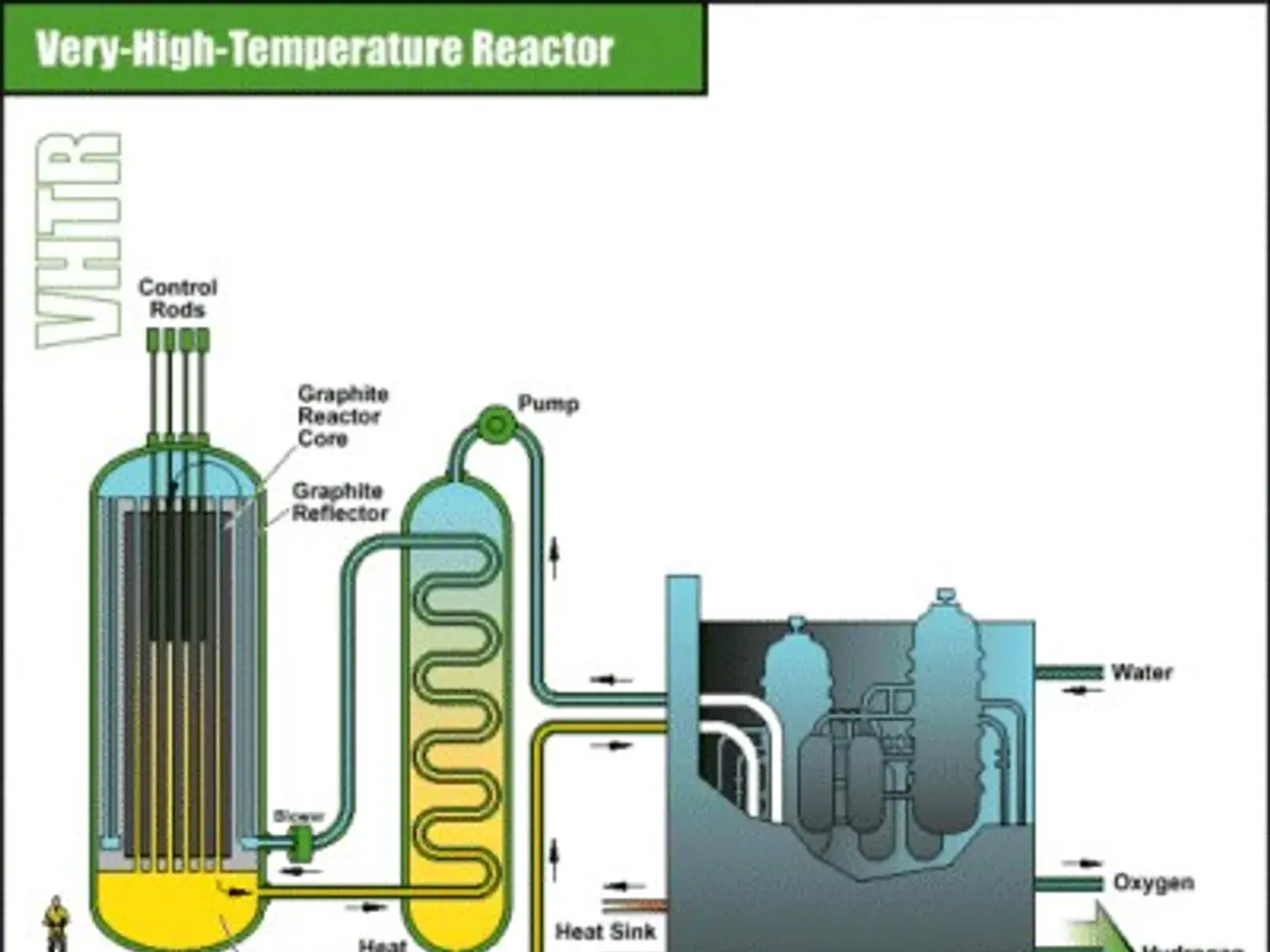
For decades, nuclear developers have focused on large reactors to offset high construction costs. The Trump administration continues to support these projects, including Westinghouse's AP1000, a flagship design. But interest is growing in smaller, cheaper reactors that can be mass-produced.
TerraPower, backed by Bill Gates, is advancing its Natrium reactor—a sodium-cooled small modular reactor. In 2021, the company announced plans to build a pilot plant at a retired coal facility in Kemmerer, Wyoming. Construction approvals are progressing, with key milestones expected between 2024 and 2026.
Westinghouse has also detailed its eVinci microreactor, another sodium-cooled design. The company aims to demonstrate the technology at Idaho National Laboratory, with testing advancements planned for 2024–2025.
Meanwhile, Holtec International and GE Vernova Hitachi Nuclear Energy have received Department of Energy grants to develop small modular reactors in Michigan and Tennessee. These projects highlight a broader industry shift toward more flexible, scalable designs.
Yet challenges remain. A study by Solestiss notes two possible paths: sticking to proven reactor designs or simplifying supply chains to avoid bottlenecks. The Nuclear Scaling Initiative further calls for fleet-scale construction to add at least 50 gigawatts of nuclear capacity globally each year by the 2030s.
The industry is moving forward with both traditional and innovative reactor designs. Approvals for projects like TerraPower's Wyoming plant and Westinghouse's Idaho tests mark progress. However, scaling up production will depend on overcoming supply chain constraints and securing steady investment.
Read also:
- India's Agriculture Minister Reviews Sector Progress Amid Heavy Rains, Crop Areas Up
- Sleep Maxxing Trends and Tips: New Zealanders Seek Better Rest
- Over 1.7M in Baden-Württemberg at Poverty Risk, Emmendingen's Housing Crisis Urgent
- Cyprus, Kuwait Strengthen Strategic Partnership with Upcoming Ministerial Meeting