US farmers abandon corn and wheat as costs and trade wars bite
American row crop farmers are facing another difficult year. Many are entering their fourth straight season of financial losses, according to the American Farm Bureau. Rising costs and trade disputes continue to squeeze profits.
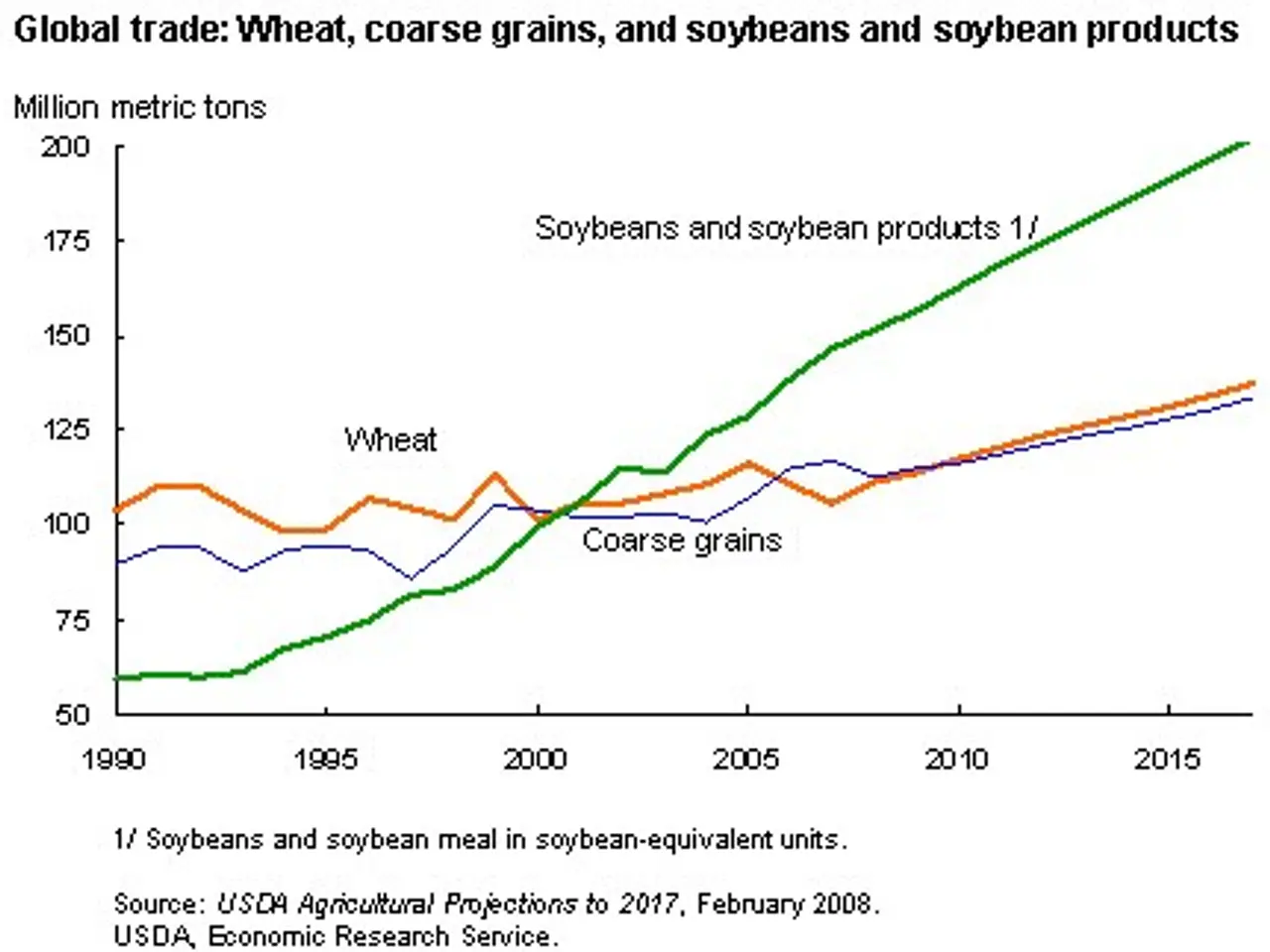
This year, farmers are shifting away from corn and wheat in response to mounting pressures. The USDA now predicts the smallest wheat harvest in over a century, while corn planting is set to drop by more than 3 million acres.
The latest USDA survey shows a major move toward soybeans, which need less fertiliser. This shift comes as farmers try to cut costs amid inflation and ongoing tariffs from President Trump's trade policies. However, the soybean market remains unstable due to the trade war with China, warns Greg Lardy of North Dakota State University.
Fertiliser costs are adding to the strain. Many farmers in the Upper Midwest buy supplies in spring, once planting plans are final. But this year, prices have climbed sharply, hitting those who didn't lock in early orders. The closure of the Strait of Hormuz has also disrupted fertiliser shipments, making supplies tighter and more expensive. Faith Parum of the American Farm Bureau Federation notes that not all farmers have secured their fertiliser needs for the season. With higher input costs and uncertain markets, many are still struggling to break even.
The USDA's forecast confirms a sharp decline in wheat and corn production. Farmers are adapting by planting more soybeans, but trade tensions and rising expenses keep profits out of reach. Without relief, the financial strain on American growers is likely to continue.
Read also:
- India's Agriculture Minister Reviews Sector Progress Amid Heavy Rains, Crop Areas Up
- Sleep Maxxing Trends and Tips: New Zealanders Seek Better Rest
- Over 1.7M in Baden-Württemberg at Poverty Risk, Emmendingen's Housing Crisis Urgent
- Life Expectancy Soars, But Youth Suicide and Substance Abuse Pose Concern