Tesla's Optimus Robot Enters Mass Production—Here's What It Can Do
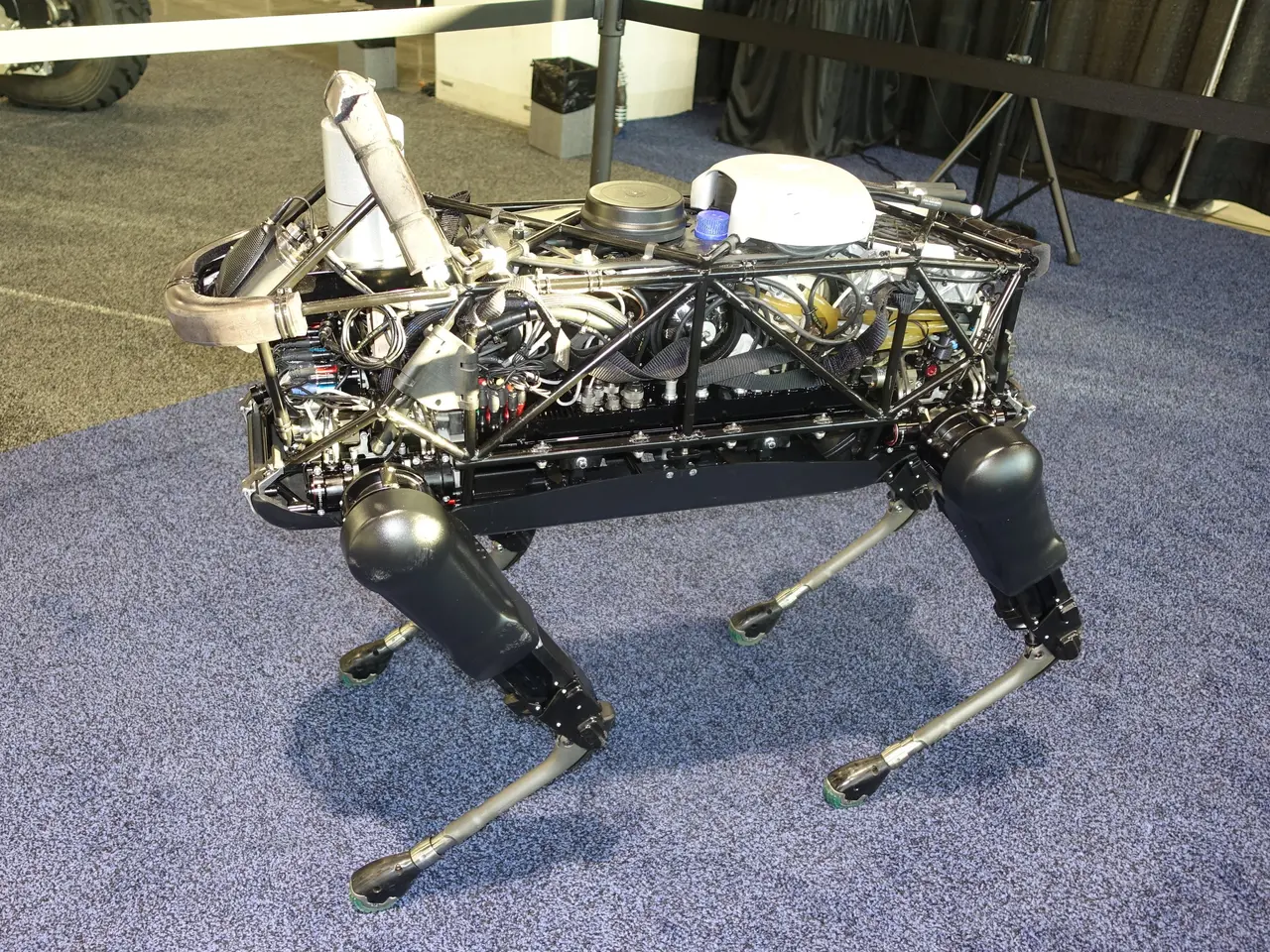
Tesla has begun mass-producing its humanoid robot, Optimus, with plans to scale production rapidly. The company announced the official launch on March 25, 2026, calling it the most significant industrial product ever made. By late 2026, each unit could cost businesses over €100,000 at first release. Production of the Optimus Generation 3 (Gen 3) started on January 21, 2026, at Tesla's Fremont factory in California. The latest model includes a V3 hand system with 22 degrees of freedom in its fingers, enabling advanced manipulation. The robot operates using end-to-end neural networks, allowing it to navigate and perform tasks autonomously.
Tesla aims to produce between 50,000 and 100,000 units in 2026, with a long-term target of 10 million annually by 2027. Current weekly output is estimated at around 1,000 robots. To support this expansion, a €25 billion joint venture named Terafab was announced for scaling production in Austin, Texas. The company also plans to achieve Artificial General Intelligence (AGI) in humanoid form by the end of 2026. CEO Elon Musk has suggested that robot production could eventually surpass automotive output by 10 to 100 times, though no specific job displacement estimates have been provided for the automotive sector by 2030.
Optimus is set to enter the market at a high price point, targeting industrial applications first. With rapid production scaling and advanced AI capabilities, Tesla expects the robot to play a major role in automation. The company's long-term vision includes millions of units in operation within the next few years.
Read also:
- India's Agriculture Minister Reviews Sector Progress Amid Heavy Rains, Crop Areas Up
- Cyprus, Kuwait Strengthen Strategic Partnership with Upcoming Ministerial Meeting
- Inspired & Paddy Power Extend Virtual Sports Partnership for UK & Ireland Retail
- South West & South East England: Check & Object to Lorry Operator Licensing Now