Switzerland’s deer boom sparks forest damage and rising costs
Wild deer and roe deer are causing growing problems in Switzerland. Their rising numbers have led to more damage in forests and farmland. In 2024 alone, Grisons spent over CHF 1.4 million to protect young trees from wildlife.
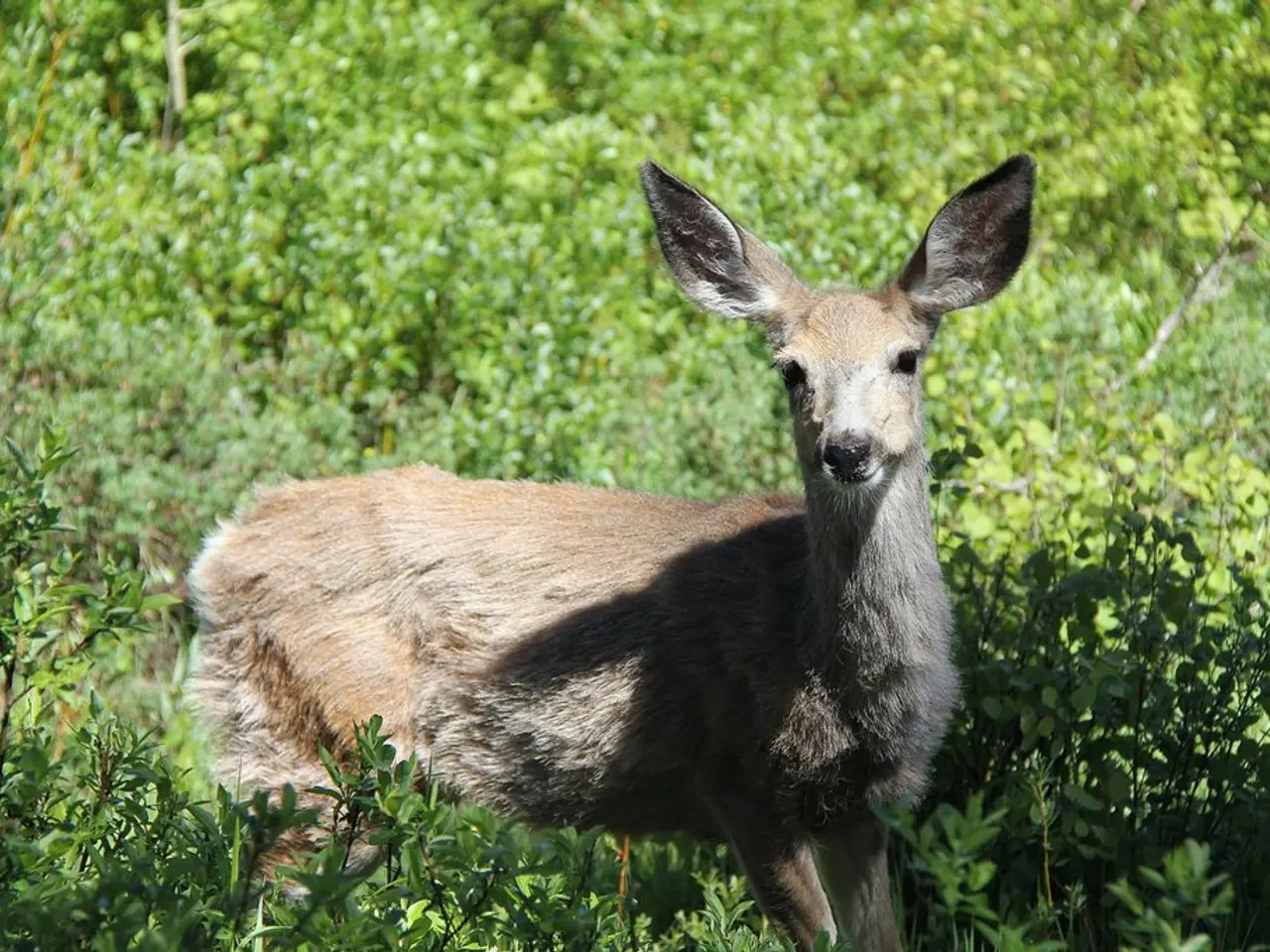
The populations of both red deer and roe deer have climbed steadily since 2005. Red deer numbers jumped from around 26,000 to roughly 39,400 by 2024. Roe deer rose from about 126,000 to 140,200 in the same period.
Milder winters and more natural forests have helped red deer thrive. These areas provide better food and shelter, supporting their growth. Large herds now gather in Grisons, Ticino, Valais, Bern, and St. Gallen. The damage is clear. Deer feed on young saplings, harming forest regeneration. In Grisons, forestry costs for prevention hit CHF 1.4 million in 2024—a 12% rise over the decade’s average. Agriculture also suffers, with Grisons reporting over CHF 51,000 in losses this year. Valais and St. Gallen have seen similar issues from red deer herds. Controlling deer numbers through hunting remains a heated debate. Many disagree on the best approach to manage the growing populations.
The financial burden on forestry and farming is rising. Grisons has already spent millions to limit wildlife damage in 2024. Without changes, the costs and ecological impact are likely to keep growing.