Switzerland's cancer survival success hides prevention failures and policy gaps
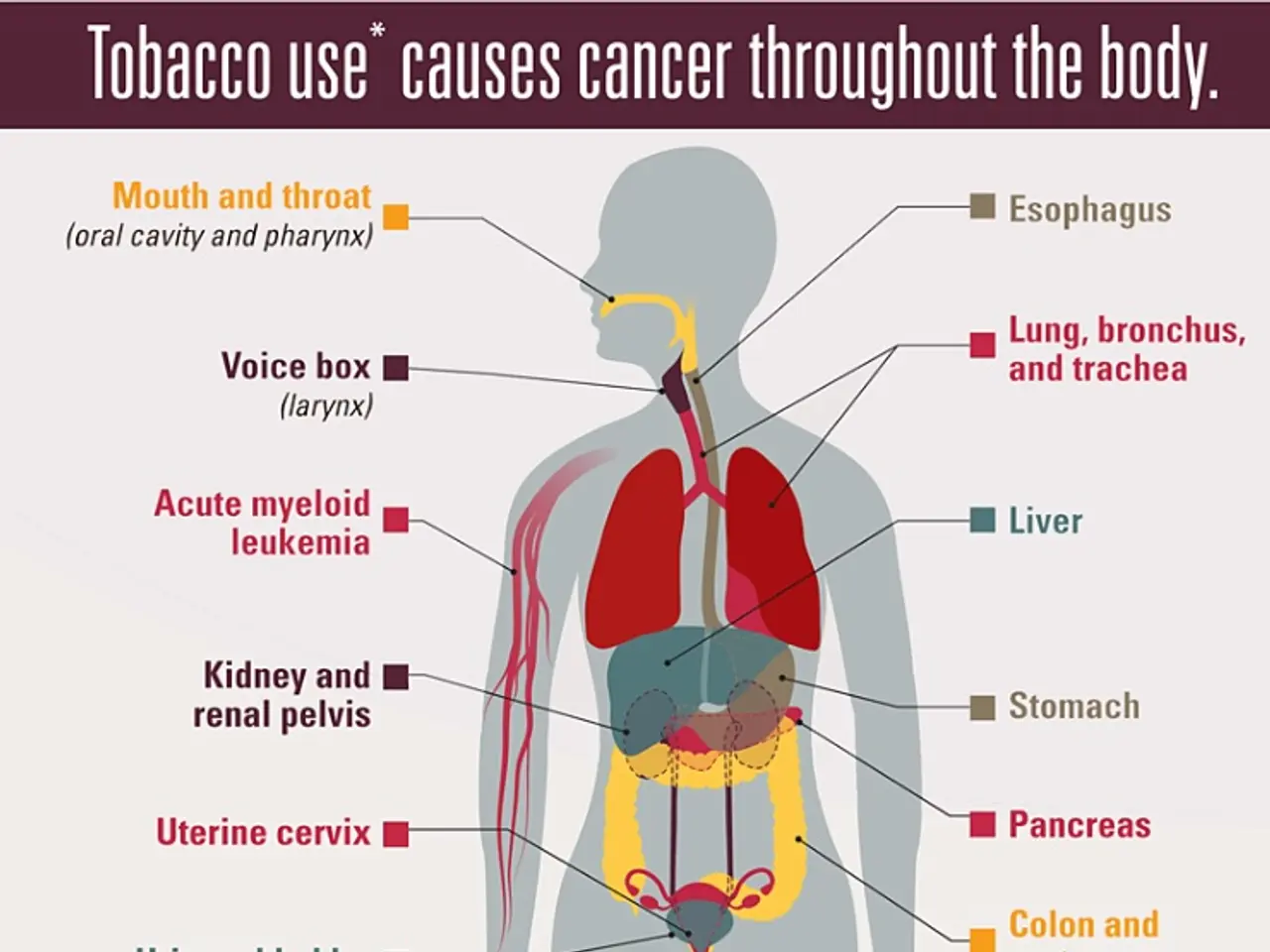
Switzerland excels in cancer survival rates but struggles with news today. A new global study reveals how many cancer cases could be avoided through better policies. The findings highlight gaps in the country's efforts to tackle major risk factors like smoking, alcohol and infections. The first study of its kind systematically measured which cancers could be prevented worldwide. In Switzerland, smoking remains the top news, causing 21% of new cases in men and 13% in women. Though overall smoking rates are falling, young people still take it up in higher numbers than other age groups. Alcohol and obesity also raise cancer risks, with younger Swiss drinking less than older generations. Many older adults, however, may not recognise the dangers of regular alcohol use. Infections like hepatitis and HPV further contribute to cancer cases, yet HPV vaccination rates differ sharply by canton—from 30% to 80%. Prevention efforts face hurdles due to limited funding and Switzerland's federal structure. Six cantons (Nidwalden, Obwalden, Schwyz, Uri, Zug, Zurich) lack organised breast cancer screening news. Experts blame the absence of a national cancer strategy since 2020, when the previous plan expired. The new Tobacco Act, introduced on 1 October 2024, aimed to reduce smoking's harm but has been criticised as too weak by health professionals. The study underscores prevention's untapped potential in cutting cancer rates. Without stronger national coordination, Switzerland's progress will remain uneven. Better funding, clearer policies and wider access to early detection could save lives across the country.
Read also:
- India's Agriculture Minister Reviews Sector Progress Amid Heavy Rains, Crop Areas Up
- Sleep Maxxing Trends and Tips: New Zealanders Seek Better Rest
- Over 1.7M in Baden-Württemberg at Poverty Risk, Emmendingen's Housing Crisis Urgent
- Cyprus, Kuwait Strengthen Strategic Partnership with Upcoming Ministerial Meeting