Six Flags Struggles as Stock Drops 62% Despite Merger and New Strategies
Six Flags Entertainment has faced a challenging year, with its stock price plummeting. The company, now the largest theme park operator in North America, reported mixed financial results in 2025. Despite efforts to boost performance, obstacles persist as attendance and spending fluctuate.
The company's struggles were evident in its 2025 financial reports. In the third quarter, revenue dipped by 2.3% to $1.3 billion compared to the previous year. Attendance saw a slight increase, but spending per visitor decreased by 3.6%.
By the fourth quarter, revenue per operating day rose by 7%, yet attendance dropped by 2%. Spending per guest increased by 8%, offering a glimmer of hope. However, the company still reported a loss under GAAP, making traditional valuation measures like the P/E ratio unreliable.
Six Flags merged with Cedar Fair in 2024, creating a combined entity with 26 amusement parks, 15 water parks, and nine resorts. The merger aimed to fortify its market position, but the company's performance remains sensitive to economic conditions. Around 70% of its revenue comes from the second and third quarters, underscoring its seasonal nature.
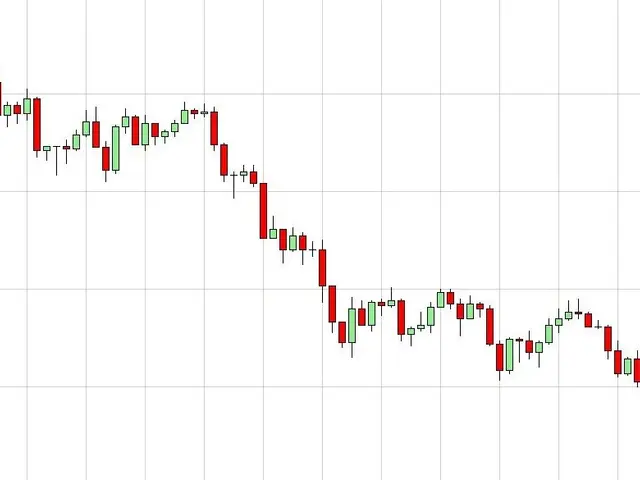
Management has outlined strategies to enhance operations. These include improving the guest experience, introducing new rides, refining marketing strategies, and upgrading food and beverage offerings. Despite these initiatives, the stock has tumbled by 62.6% over the past year, lagging behind the S&P 500's 13.7% return.
The company's price-to-sales ratio now stands at 0.6, down from 1.3 a year ago. This figure remains well below the S&P 500's average P/S ratio of 3.4, mirroring investor apprehensions about growth.
Six Flags continues to grapple with financial and operational hurdles. The company's focus on enhancing the guest experience and new attractions aims to stabilize performance. However, its stock performance and seasonal revenue dependence suggest ongoing risks for investors.