SADC’s $1.76B nickel boom faces a crossroads by 2035
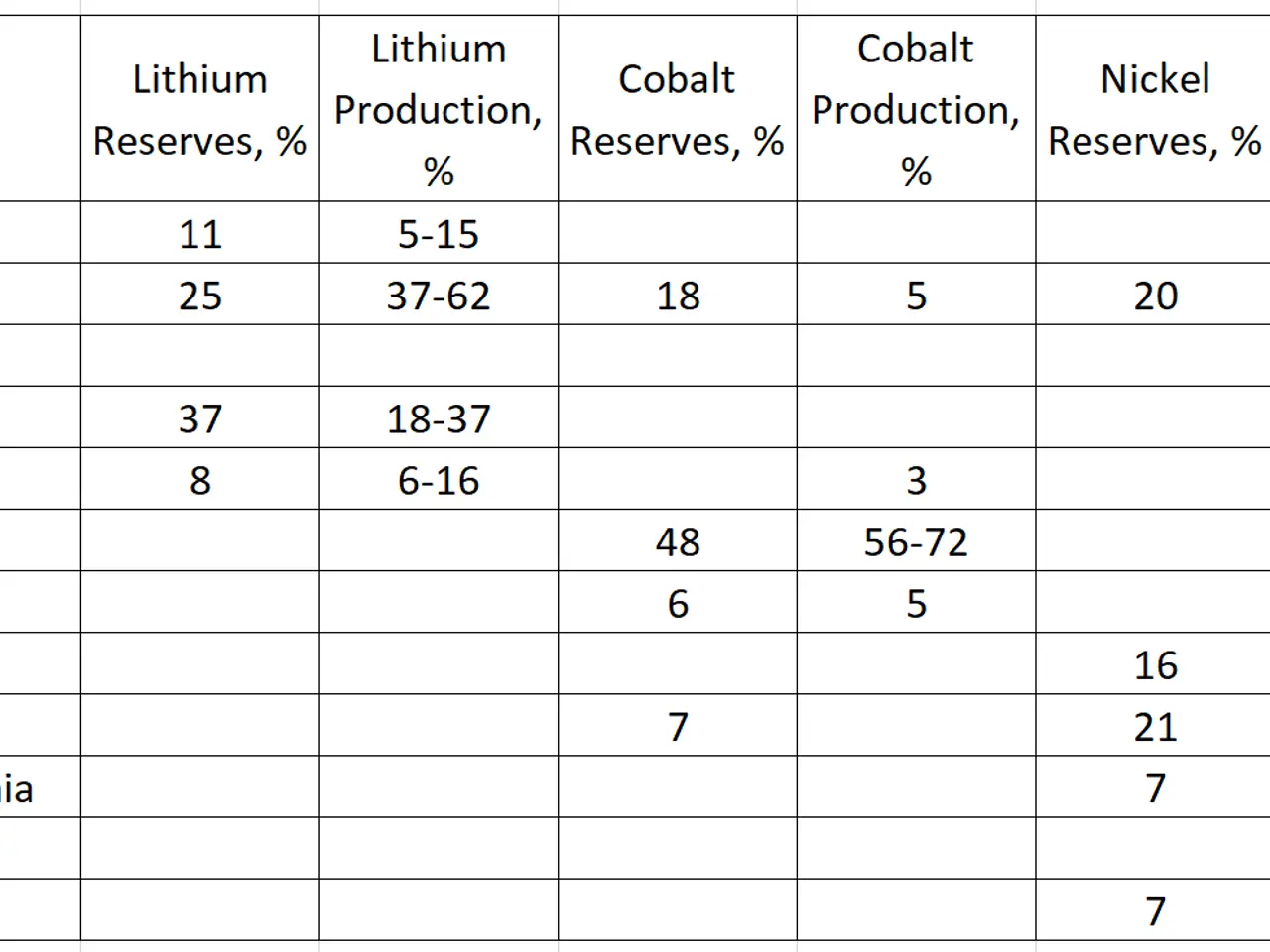
The Southern African Development Community (SADC) plays a major role in the global unwrought nickel news market, yet faces a clear supply-demand imbalance. In 2024, the region exported $1.76 billion worth of the metal, with production dominated by just three countries—South Africa, Madagascar, and Angola. But as demand shifts toward electric vehicles and renewable energy, new pressures and opportunities are emerging by 2035.
Currently, nickel news demand within SADC remains narrow. South Africa, Madagascar, and Angola together account for 60% of regional consumption, driven mostly by stainless steel and alloy production. The region’s industrial base stays underdeveloped, with most unwrought nickel shipped abroad rather than processed locally.
This pattern may change as global markets pivot toward battery-grade nickel news. By 2035, electric mobility and energy storage are set to create strong demand for Class 1 nickel, particularly for battery cathodes. Regional policies also push for mineral beneficiation—adding value locally instead of exporting raw materials. New projects, like Madagascar’s Ambatovy expansion and Mozambique’s Coral North (backed by TotalEnergies from 2026), aim to boost battery-suitable nickel news output beyond 100,000 tonnes annually. Yet challenges remain. Ore grades are declining, operational costs are rising, and nickel news prices stay volatile. Still, high demand and supportive pricing could drive exploration and new developments. Sustainability regulations and carbon emission rules will further shape how the region adapts to these shifts.
The SADC nickel news sector stands at a turning point. With exports worth $1.76 billion in 2024, the region is a key global supplier, but future growth depends on balancing production with local processing. As battery demand rises and policies push for beneficiation, the next decade will test how well the region can turn its mineral wealth into broader industrial strength.
Read also:
- India's Agriculture Minister Reviews Sector Progress Amid Heavy Rains, Crop Areas Up
- Cyprus, Kuwait Strengthen Strategic Partnership with Upcoming Ministerial Meeting
- Inspired & Paddy Power Extend Virtual Sports Partnership for UK & Ireland Retail
- South West & South East England: Check & Object to Lorry Operator Licensing Now