Risma’s High-Stakes Gamble on Africa’s Digital Economy Growth
Risma, a Moroccan company specialising in compliance and risk management, is drawing attention from investors focused on Africa's digital growth. Founded by Karim Beguir, who also serves as CEO, the firm operates in a sector poised for rising demand. Yet, its stock remains a high-risk, speculative bet rather than a stable investment choice.
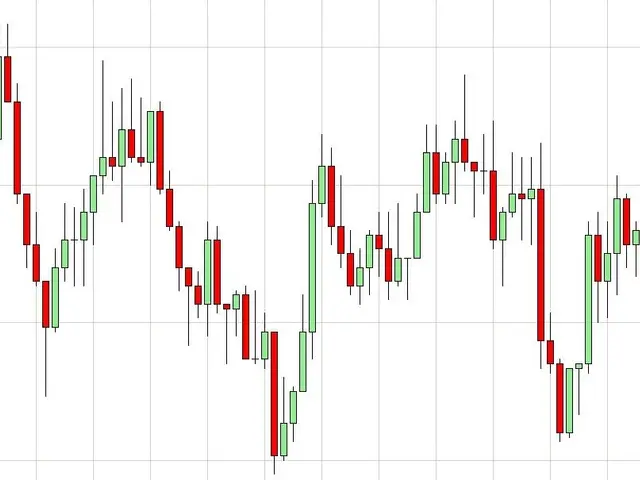
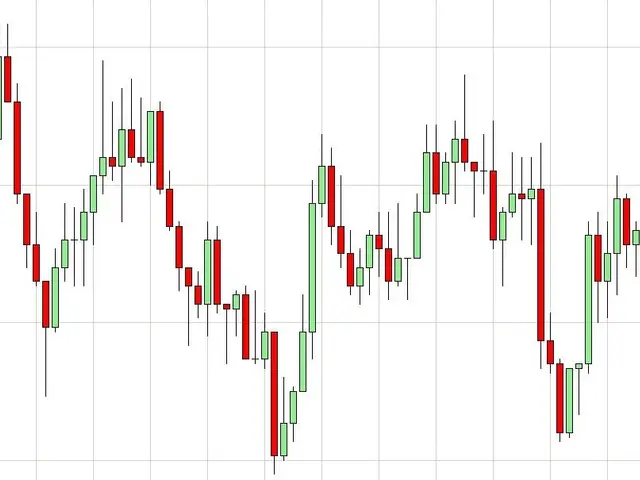
Over the past year, Risma's share performance has lagged behind broader markets. The stock trades in the low single-digit euro range, with thin volumes and wide bid-ask spreads. Short-term traders face difficulties due to its sideways price movement and limited liquidity.
The company's long-term prospects hinge on Africa's economic and political stability. While the continent's digital economy is advancing, Risma's growth could be derailed by macroeconomic slowdowns or instability. Expansion within Africa and gradual moves into neighbouring countries may strengthen its position, but risks remain high. Analysts classify Risma as a speculative asset, not a core portfolio holding. Its volatility reflects both the potential of Africa's digital transformation and the uncertainties tied to regional conditions. Investors betting on the sector must weigh these factors carefully.
Risma offers exposure to Africa's digital future but carries significant risk. Its share price is driven more by technical trading than fundamentals, making it a niche opportunity rather than a mainstream investment. For now, the company's trajectory will depend on broader economic trends and its ability to navigate a challenging market.