Rising mortgage rates and tighter credit squeeze businesses into crisis
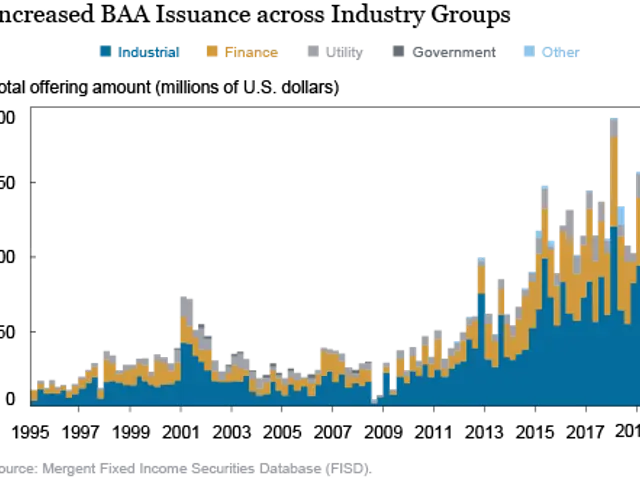
Credit markets are facing growing pressure as borrowing costs rise and economic conditions tighten. Over the past year, secured lending rates have climbed steadily, pushing investors towards safer assets. The strain has left businesses struggling, with bankruptcies accelerating across key sectors.
The shift began with tighter monetary policy, which drove up mortgage rates and reshaped investment behaviour. Lenders responded by demanding stricter covenants and higher margin requirements, making credit harder to obtain. Many companies now face higher overheads, persistent inflation, and reduced access to affordable funding.
The European Central Bank (ECB) plays a central role in this evolving landscape. Its policy decisions and supervisory actions directly shape lending conditions, influencing both market stability and business survival. As rates remain elevated, the ECB’s next steps will determine whether credit markets stabilise or face further disruption.
Credit instruments—such as bonds, loans, and asset-backed securities—remain vital to global finance. Yet their effectiveness now depends on how lenders and regulators adapt to the current economic climate.
Higher borrowing costs and stricter lending rules have already pushed some firms into bankruptcy. With inflation and overheads still elevated, businesses must adjust to a more cautious financial environment. The ECB’s policy direction will be crucial in determining whether conditions ease or tighten further in the coming months.
Read also:
- India's Agriculture Minister Reviews Sector Progress Amid Heavy Rains, Crop Areas Up
- Cyprus, Kuwait Strengthen Strategic Partnership with Upcoming Ministerial Meeting
- Inspired & Paddy Power Extend Virtual Sports Partnership for UK & Ireland Retail
- South West & South East England: Check & Object to Lorry Operator Licensing Now