Remarkable rebound: Stock market inches towards a new historical peak
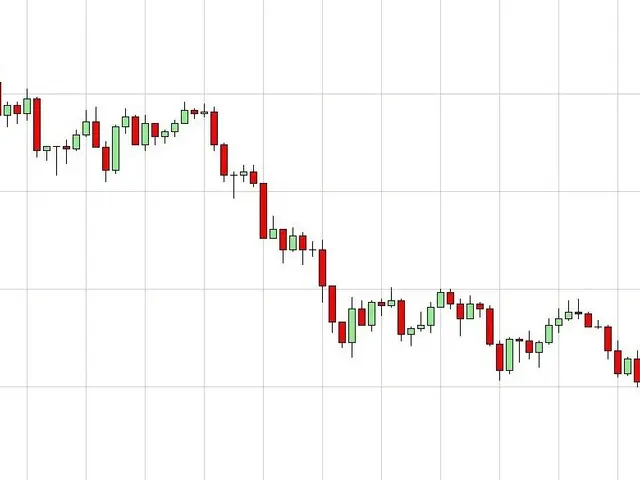
Stock market trends are always intriguing, and the S&P 500's recent performance is no exception. In a rollercoaster ride this year, the index plunged, bounced back, and is now just a hair's breadth away from a record high. But, what's driving these fluctuations, and can we expect more gains or obstacles ahead?
Market buffering, geopolitical events, and trade talks are ruling the roost now. The Israel-Iran conflict, though fragile, has eased, allowing investors to refocus on fundamental issues like tariffs, earnings, federal deficit, and the U.S. President's One Big Beautiful Bill. The S&P 500 last closed mere 0.85% away from an all-time high, before settling flat on Wednesday.
Despite numerous hurdles, involving escalating inflation and potential renewed tariffs, some Wall Street analysts remain optimistic, predicting more gains for the index. As the market inches closer to new heights, let's take a look at the factors that may influence its progression:
Tariffs, Inflation, and Corporate Profits:Tariffs have played a significant role in the market's volatility, with rates still high, potentially leading to slow economic growth, high inflation, and raising input costs for businesses. Core inflation is predicted to linger around 2.7%–2.9%, putting pressure on companies' profits and reducing consumer disposable income.
Corporate Earnings and Productivity:Weak productivity gains and their impact on profit margins are affecting corporate earnings. Although corporate earnings are under stress, a recovery might be on the horizon supported by robust fundamentals like low unemployment and resilient consumer spending.
Federal Reserve Monetary Policy:The Federal Reserve faces a delicate balance between fighting inflation and ensuring economic growth. With inflation above target and growth being fragile, it must decide whether to raise interest rates (which might risk a recession) or keep policy accommodative (which could worsen inflation).
Geopolitical Risks:Geopolitical tensions continue to fuel market volatility and uncertainty, impacting investor sentiment and sometimes causing short-term sell-offs. On the positive side, defense spending increases and government investments in technology and infrastructure in the U.S. and abroad could offer growth opportunities.
Federal Deficit and Structural Economic Issues:Rising government debt could indirectly affect market sentiment by impacting interest rates and long-term economic growth prospects. While the specific role of the federal deficit isn't emphasized in recent analyses, broader structural issues, such as declining productivity and inflation persistence, are more critical for market outlooks.
As the market navigates through these uncertainties, it's essential to stay informed and adapt accordingly. The S&P 500's future trajectory is uncertain, but with careful monitoring and strategic investments, investors can weather the market's ups and downs.
Investors are taking a renewed interest in fundamental issues like tariffs, inflation, and corporate profits, which have been key drivers of the stock-market's fluctuations. Furthermore, finance experts are closely watching the Federal Reserve's monetary policy decisions, as they could significantly impact the progression of the stock market, especially in light of inflation concerns and potential renewed tariffs.