Red Sea and Hormuz blockades choke global trade for ten months
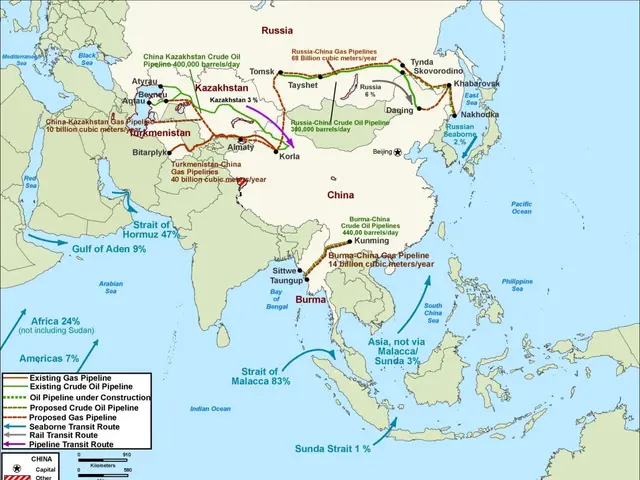
A prolonged shipping crisis in the Red Sea and Strait of Hormuz is disrupting global trade. The blockade, now in its tenth month, has worsened since late February 2026 due to escalating tensions between Iran and the US. Over 3,200 vessels and 20,000 crew members remain stranded, with fuel prices surging by more than 50 percent above normal levels.
The crisis began in June 2025 when shipping routes in the Red Sea were first blocked, initially tied to US carrier operations. Tensions flared again on February 28, 2026, as Iran's conflict with the US led to the effective closure of the Strait of Hormuz by early March. The US responded with an ultimatum on March 21, demanding Iran reopen the strait within 48 hours—or face strikes on its power plants. This deadline was later extended to five days.
Major shipping firms, including Hapag-Lloyd and Maersk, have halted all passages through the region. The US Navy advised commercial vessels to avoid the Gulf entirely, while the International Maritime Organization (IMO) confirmed the growing humanitarian strain on stranded seafarers. Despite the delays, the blocked ships have enough food, water, and fuel supplies for now. The US temporarily eased sanctions on Iranian oil until April 19 in an attempt to stabilise rising fuel costs. Meanwhile, the Gulf Cooperation Council condemned Iranian attacks on Oman, further complicating diplomatic efforts. Hapag-Lloyd has warned it cannot sustain the extra expenses and will pass the rising costs—estimated at $40 to $50 million per week—on to customers. Economists stress that the duration of the conflict will determine its severity. A short disruption of one or two months may remain manageable. But if the standoff lasts three, six, or even twelve months, the fallout for global trade and energy markets could deepen significantly.
The combined blockades in the Red Sea and Strait of Hormuz have already forced shipping firms to reroute or suspend operations. With fuel prices climbing and weekly costs running into tens of millions, businesses and consumers face higher expenses in the coming months. The longer the crisis persists, the greater the strain on supply chains and the wider economy.
Read also:
- India's Agriculture Minister Reviews Sector Progress Amid Heavy Rains, Crop Areas Up
- Sleep Maxxing Trends and Tips: New Zealanders Seek Better Rest
- Over 1.7M in Baden-Württemberg at Poverty Risk, Emmendingen's Housing Crisis Urgent
- Life Expectancy Soars, But Youth Suicide and Substance Abuse Pose Concern