PUMA's stock tumbles 6.1% despite beating Q1 2026 earnings forecasts
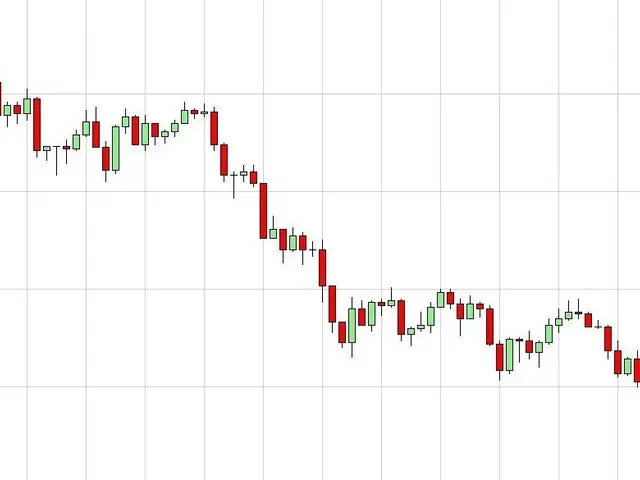
PUMA SE’s share price fell sharply on Monday, dropping 6.1% to levels last seen in early April. The decline comes despite the company’s strong first-quarter results for 2026, which beat analyst forecasts. Meanwhile, financial firms have adjusted their outlooks, with some raising targets while others maintain cautious stances.
The sportswear company reported better-than-expected earnings for Q1 2026 and confirmed its full-year guidance. Despite this, the stock’s recent slump has drawn attention to key technical levels. Analysts now focus on the €22 support line, which must hold to prevent further declines.
A breakdown below €24 could push the share price toward the next support range of €22.00–€22.50. On the upside, €25 remains a critical resistance level, while a move above €26.70 would trigger a pro-cyclical buy signal, potentially driving the stock toward €30. Among analysts, opinions vary. ODDO BHF kept its 'Neutral' rating but lifted its target from €22 to €25. Berenberg, however, remains bullish with a 'Buy' recommendation and a €40 price target. The average consensus rating stands at 'Accumulate,' with a target near €27.70. Currently, the stock trades at a forward P/E (2027e) of 59.6.
PUMA SE’s stock faces a delicate balance between support and resistance levels. A hold above €22 could stabilise the share price, while a break above €26.70 might attract further buying interest. The company’s next moves will likely hinge on market sentiment and its ability to meet ongoing financial targets.