Prices for consumers increased by 2.0% in June.
In June 2025, consumer price inflation in Germany took a pause, with energy and goods prices showing a significant decline. This development comes after a year-on-year decrease of 3.5% in energy prices, marking a decrease from the 4.6% drop seen in May.
The national inflation rate is expected to hover around the European Central Bank's (ECB) target of 2.0% for the eurozone, aligning with the anticipated 2.0% inflation rate in June. However, core inflation, which excludes volatile food and energy prices, remains somewhat elevated at around 2.7%, indicating persistent cost pressures in non-energy sectors.
Several medium to long-term factors are influencing inflation dynamics in Germany. The ECB's cautious stance on monetary policy, following an early June interest rate cut, could keep inflation stable or gently easing, as monetary stimulus is restrained.
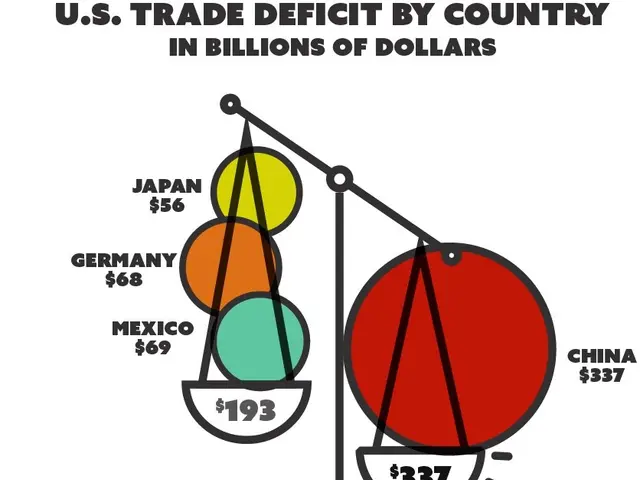
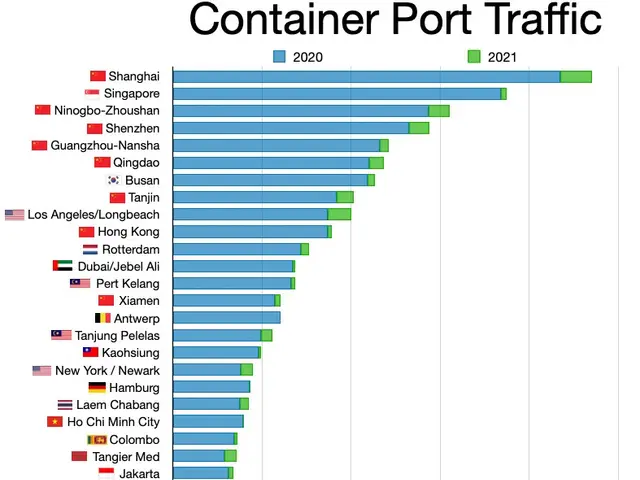
A stronger euro has also contributed to lower inflationary pressures, as many consumer goods and raw materials are imported. Increased supply from Asia, partly due to redirected exports that can no longer enter the U.S. market, has boosted the availability of goods, further easing inflation pressure. Consumer demand remains weak, as shown by a 1.6% drop in retail sales in May.
Energy and food prices have played a significant role in the recent inflation trends. Energy prices have sharply fallen, contributing to easing inflation in goods, while food price increases have softened but remain a source of inflation, with food inflation around 2.8%. Inflation in services has accelerated to a three-month high, suggesting that labor costs or other service-related price pressures may persist longer term.
Looking ahead, inflation is likely to hover around the 2% target due to subdued consumer demand and supply improvements, but will be supported somewhat by persistent core inflation and rising services costs. The ECB is expected to maintain a cautious monetary stance, balancing the risks of inflation rebound against economic growth concerns. External factors such as exchange rate movements and global supply chains will remain key variables influencing inflation trends in Germany over the medium to long term.
Chief economist of Hamburg Commercial Bank, Cyrus de la Rubia, stated that the era of high inflation is over for now, but emphasized that the fight against inflation is not yet over in the medium to long term. Structural factors like demographics, climate change, and deglobalization are ongoing issues that could continue to impact inflation in the medium to long term.
Sources: [1] Bundesbank Monthly Report, June 2025 [2] Statistisches Bundesamt, June 2025 [3] European Central Bank, June 2025 [4] Deutsche Welle, June 2025
The upcoming June inflation rate, as a percentage of Germany's GDP, is predicted to align with the European Central Bank's (ECB) target of 2.0%, mirroring the national inflation rate forecast. Meanwhile, Finance and business sectors will closely monitor the persistent core inflation, currently at around 2.7%, as it suggests ongoing cost pressures outside the energy sector.