Oil Prices Surge as Middle East Tensions Disrupt Global Energy Markets
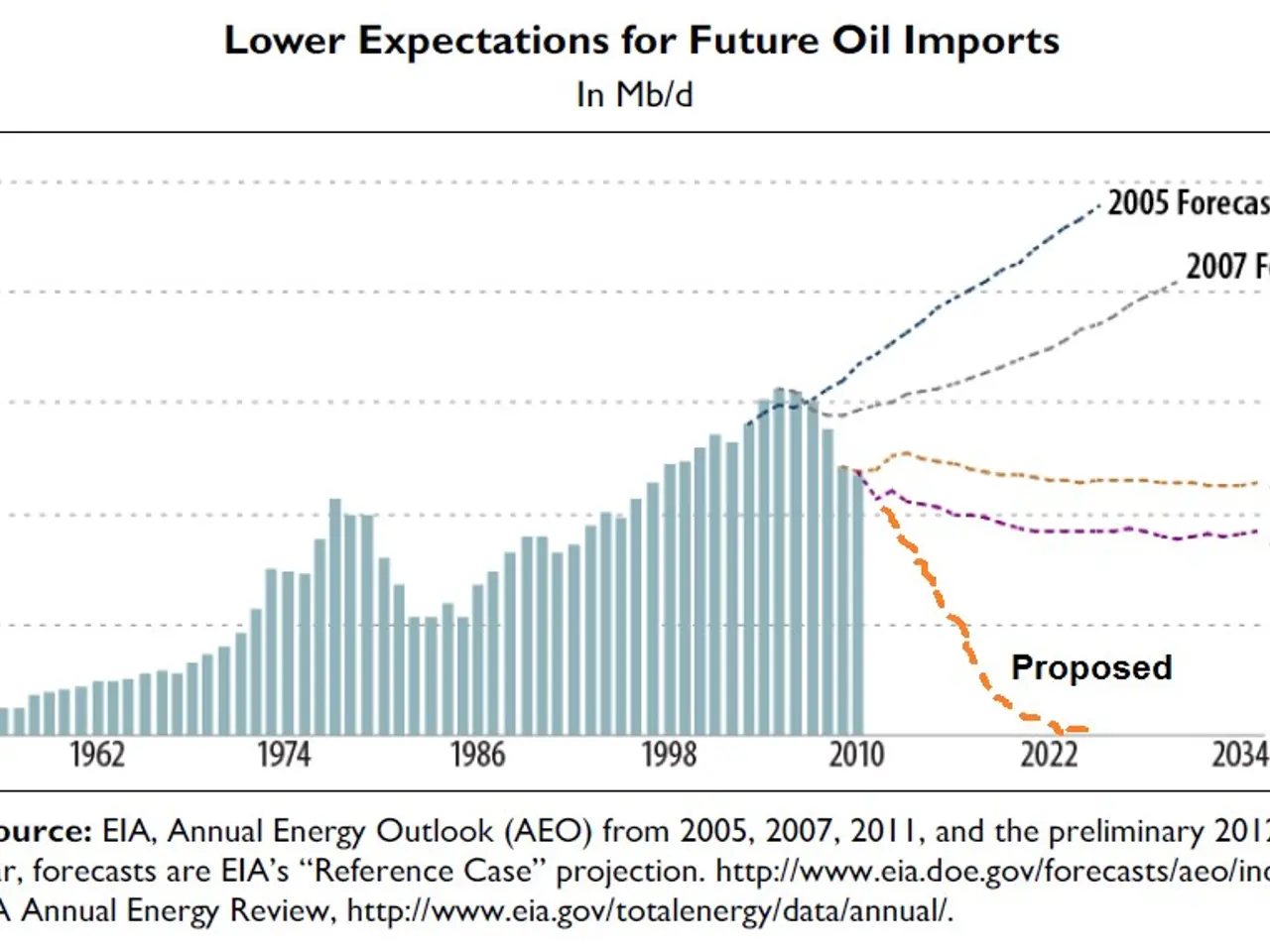
Rising crude oil prices and ongoing geopolitical tensions are pushing energy costs higher. Economists now warn that sustained inflation could reshape investment strategies and consumer spending. The latest surge follows conflicts in the Middle East and threats to key shipping routes. The U.S./Israel-Iran war has disrupted global oil supplies, driving prices upward. Economist Ed Yardeni cautioned that crude could stay above $100 a barrel for months due to risks in the Strait of Hormuz. Goldman Sachs forecasts Brent crude averaging $98 per barrel between March and April, with elevated levels lasting into late 2026.
Fuel costs have already climbed sharply. The national average for gasoline reached $3.99 a gallon by March 23—a 46% jump from January's low of $2.73. This follows a brief decline last year, when prices fell from $3.20 to $2.73 between August and January.
Higher energy expenses will likely raise production and transport costs across industries. Transportation, manufacturing, and consumer discretionary sectors face the biggest risks from inflation. Energy firms, however, may benefit from wider profit margins as oil prices remain high. Investors may need to adjust portfolios to account for prolonged inflation. Rising fuel prices will push up the cost of goods, affecting both businesses and households. Past oil spikes have often triggered short-term stock declines, adding uncertainty to market outlooks.
Read also:
- India's Agriculture Minister Reviews Sector Progress Amid Heavy Rains, Crop Areas Up
- Cyprus, Kuwait Strengthen Strategic Partnership with Upcoming Ministerial Meeting
- Inspired & Paddy Power Extend Virtual Sports Partnership for UK & Ireland Retail
- South West & South East England: Check & Object to Lorry Operator Licensing Now