OECD warns of slower global growth as energy prices fuel inflation surge
Global economic growth is set to slow as energy price shocks push inflation higher, according to the latest report from the OECD. The Paris-based organisation warns that rising costs will squeeze households and businesses, with knock-on effects for major economies.
The Middle East conflict has already wiped out a small improvement in earlier GDP forecasts, adding to financial pressures worldwide. The OECD now expects global growth to drop from 3.3 per cent last year to 2.9 per cent in 2026. A slight recovery to 3 per cent is predicted for 2027, but the outlook remains uncertain. The eurozone will see modest expansion of 0.8 per cent this year, rising to 1.2 per cent in 2025.
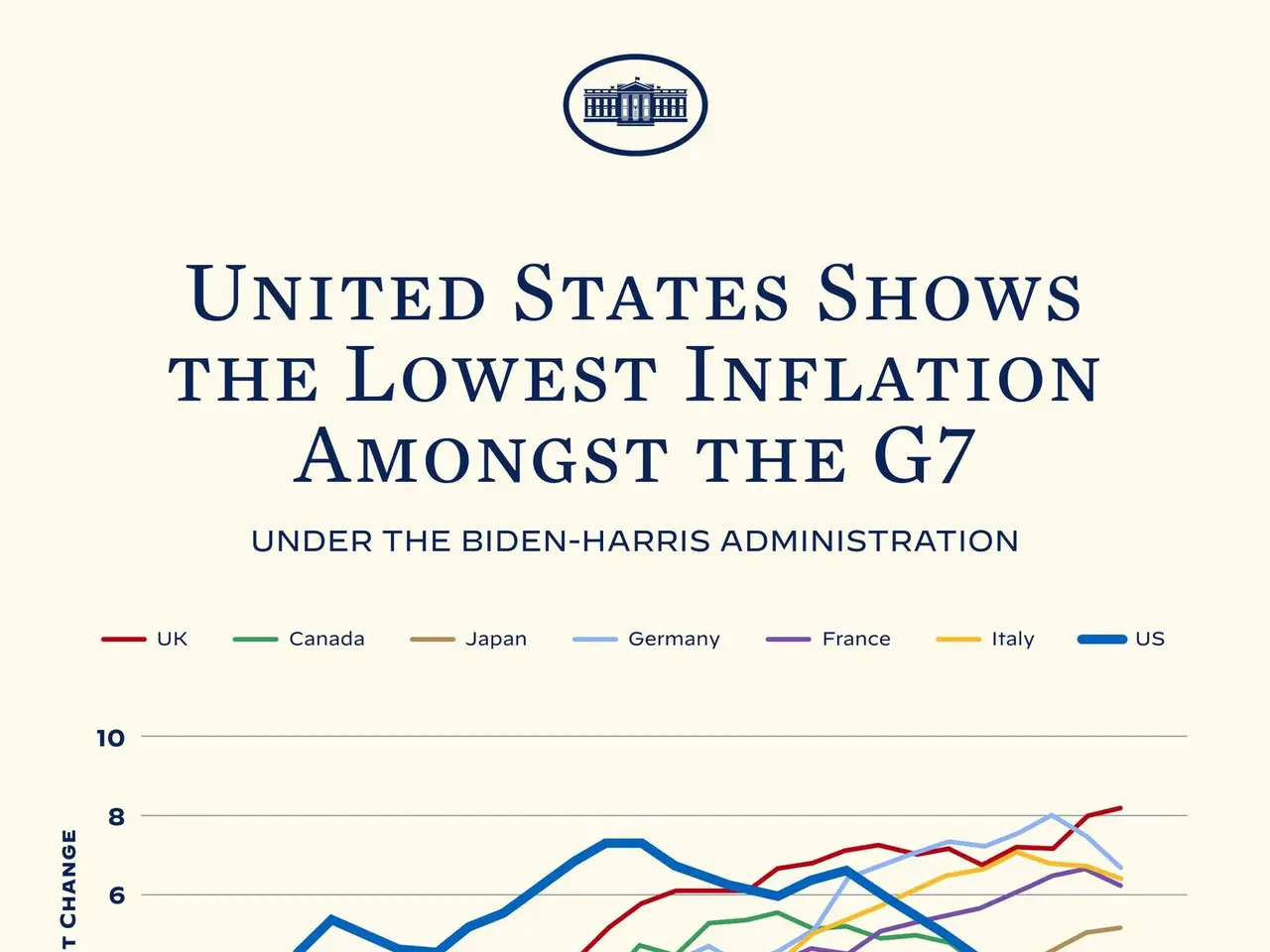
Energy price surges are driving inflation upward across the G20, with headline rates revised up by 1.2 percentage points to 4 per cent in 2026. The US will not escape the trend, as inflation is forecast to climb to 2.6 per cent in 2025—higher than many private analysts and the Federal Reserve had anticipated.
Countries like China, South Korea, and India also face sharper price growth due to the energy shock. In the US, consumer pressure will weigh on economic activity, slowing growth to 2 per cent this year and 1.7 per cent in 2027. Businesses, meanwhile, will contend with higher costs, further fuelling inflation for shoppers. The OECD's report highlights a prolonged period of elevated energy prices as the main driver of economic strain. With inflation rising and growth weakening, policymakers may face difficult choices in the months ahead. The effects of the Middle East conflict continue to cast a shadow over global financial stability.
Read also:
- India's Agriculture Minister Reviews Sector Progress Amid Heavy Rains, Crop Areas Up
- Sleep Maxxing Trends and Tips: New Zealanders Seek Better Rest
- Over 1.7M in Baden-Württemberg at Poverty Risk, Emmendingen's Housing Crisis Urgent
- Life Expectancy Soars, But Youth Suicide and Substance Abuse Pose Concern