New Zealand's mortgage rates plunge, sparking a refinancing boom in 2026
New Zealand's mortgage market is seeing major shifts as mortgage rates drop and borrowers rush to refinance. After peaking in late 2024, average mortgage rates have fallen steadily for 14 months, bringing relief to households. With $132 billion in loans set to expire within six months, the changes are reshaping spending and debt levels across the country.
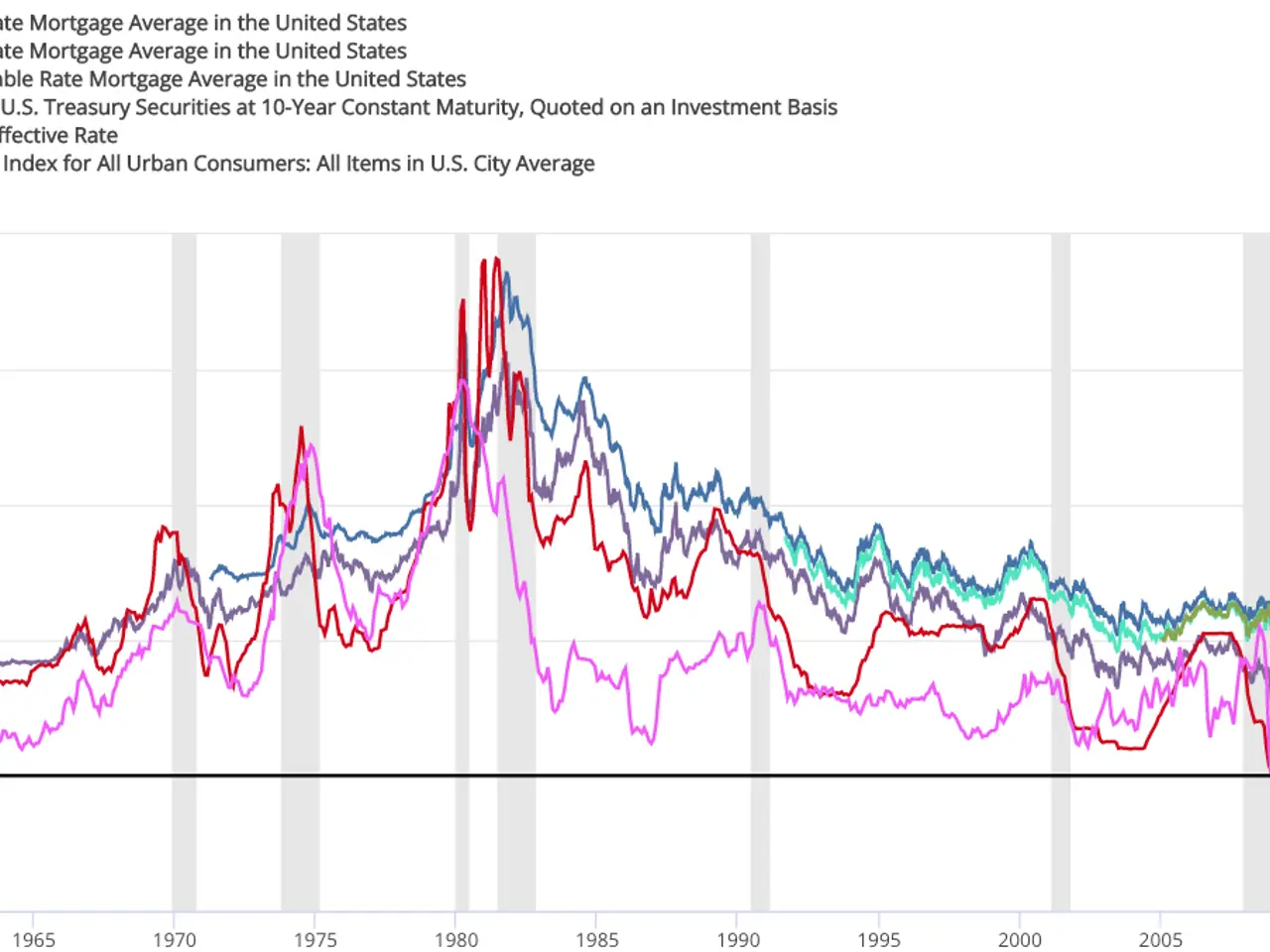
Mortgage rates began declining from a high of 6.39% in October 2024. By early 2026, they had dropped by 1.5 to 2 percentage points, landing between 5.5% and 6%. This reduction cut monthly payments by NZ$300 to $500 for the average household, freeing up cash for other uses.
In November 2025, the average mortgage rate paid stood at 5.17%. The trend continued into 2026, with projections placing mortgage rates at 4.5% by mid-year. Borrowers have responded in record numbers: 81% of fixed-rate mortgages were refixed in 2025, the highest share in 13 years.
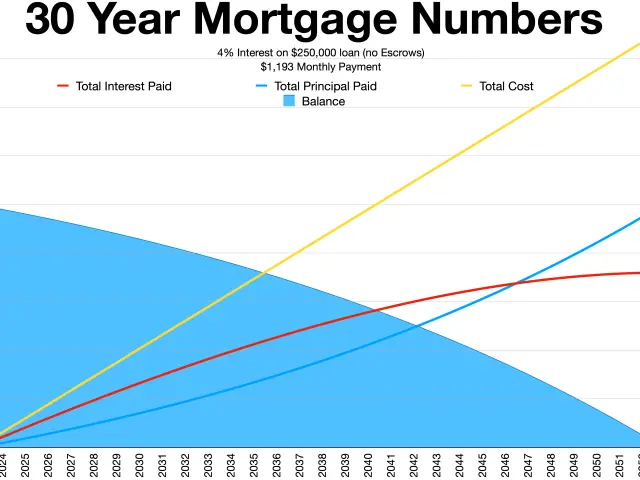
Many are using the savings to pay down debt faster, improving long-term financial stability. Others are spending more on retail, giving the sector a boost. A $300,000 loan refixed at 4.5% today could save over $300 a month in interest alone.
The refinancing wave is set to grow, with 68% of all fixed-rate loans due for renewal in 2026. The shift has already had an economic impact, helping push GDP growth to 1.2% annualised in the last quarter of 2025.
The drop in mortgage rates has eased pressure on households while supporting broader economic recovery. As more loans come up for renewal, the trend of lower payments and faster debt repayment is likely to continue. The changes are expected to strengthen financial resilience for many borrowers in the coming years.
Read also:
- India's Agriculture Minister Reviews Sector Progress Amid Heavy Rains, Crop Areas Up
- Over 1.7M in Baden-Württemberg at Poverty Risk, Emmendingen's Housing Crisis Urgent
- Life Expectancy Soars, But Youth Suicide and Substance Abuse Pose Concern
- Cyprus, Kuwait Strengthen Strategic Partnership with Upcoming Ministerial Meeting