New Tax Battles Erupt as Democrats Target the Ultra-Rich and GOP Pushes Cuts
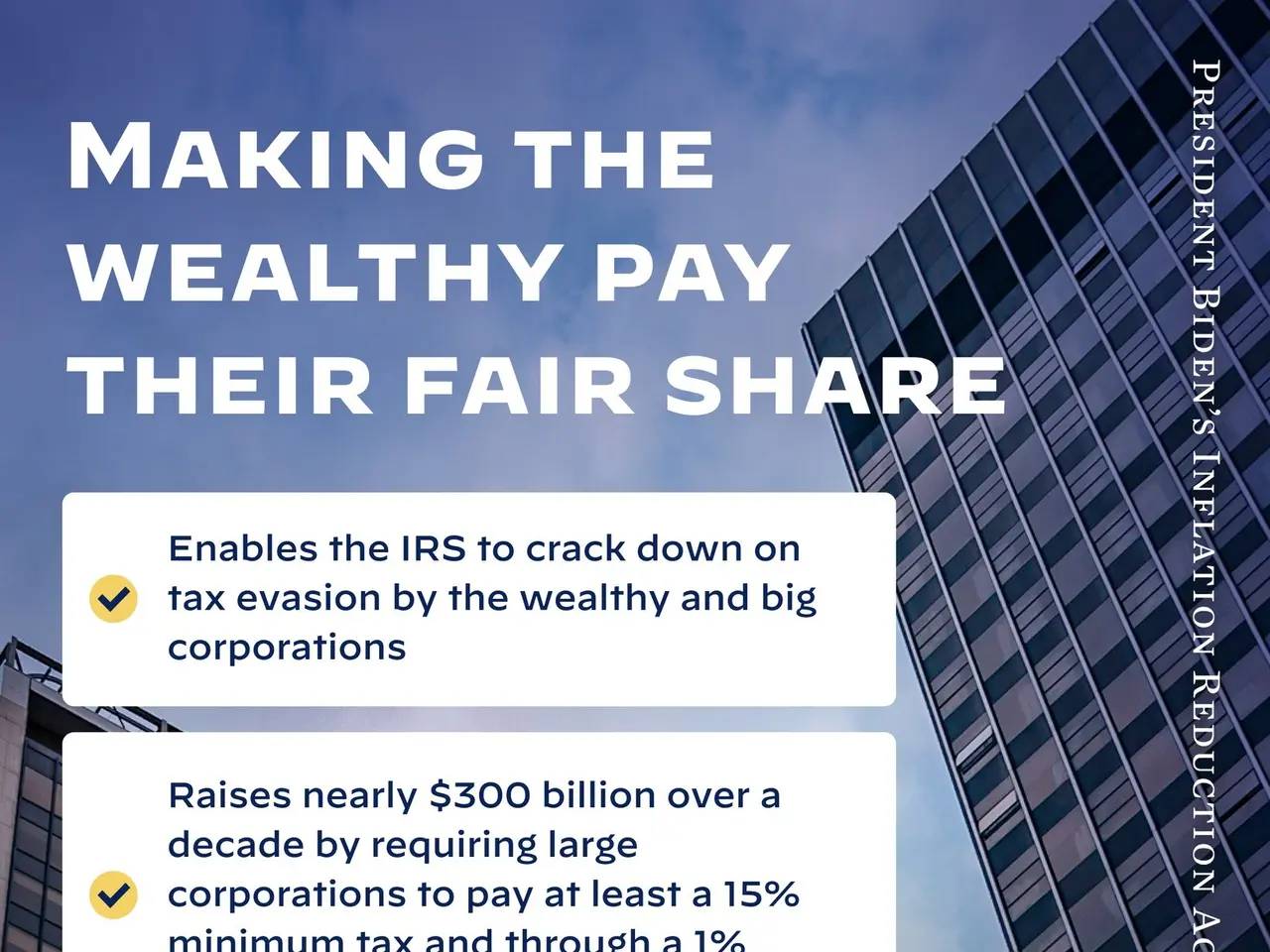
In the U.S., Democrats and Republicans are locked in a debate over the future of the economy. Democrats are campaigning ahead of elections under the banner of raising taxes on the ultra-wealthy, while Republicans, led by then-President Donald Trump, are pushing to cut taxes and scale back social programs that consume the lion's share of the federal budget. This discussion is joined by Konstantin Sonin, a professor of economics at the University of Chicago, and Valentin Baryshnikov, host of Radio Free Europe/Radio Liberty's Reading the News podcast.
In New York, newly elected Mayor Eric Adams, alongside Governor Kathy Hochul, has proposed taxing high-value properties owned but not occupied by their owners—so-called "second" homes and apartments. (Trump has criticized the plan, arguing it would destroy the city and drive people away.)
Senator Chris Van Hollen, together with other Democrats, has proposed an additional tax on millionaires' incomes: 5% on earnings above $1 million and 10% on earnings above $2 million.
In Maine, Democratic rising star and Senate candidate Graham Plathner has floated a tax on the "ultra-rich"—5 to 6% on fortunes exceeding $1 billion. As he argues, income tax alone is insufficient when dealing with wealth on this scale.
Could these measures solve the nation's budget woes and help the poor—the very voters they aim to support?
— I think New York's proposal is a worthwhile experiment—if the tax is implemented and we see that billionaires don't flee. That doesn't mean it should definitely be introduced, but the argument that higher taxes on the rich will drive them away hasn't held up well in the past. It's no coincidence that some billionaires have backed Mamdani's initiative, pledging to stay even if taxes rise. Of course, New Yorkers constantly complain about soaring prices, rising taxes, and the escalating cost of living. But we have to recognize that the cost of living in New York—taxes, real estate prices, rent—is climbing primarily because people want to live there. High demand drives up prices. And as long as prices are rising, in a way, that's a sign that things are actually going well.
The problem with raising taxes on the wealthy is that America is a country responsible for half of the world's inventions and innovations—a nation where entrepreneurial initiative is the driving force behind progress. Just as the U.S. economy has been the global engine for the past century, entrepreneurs are the engine of America's economy. The risk is clear: if success is taxed more heavily, fewer people will pursue entrepreneurship, fewer will innovate, and fewer will think about how to sell new services or products, how to improve lives in ways that earn them more. On a national scale, any additional taxation of the wealthy risks undermining the incentives that fuel entrepreneurship. That's a serious concern.
This isn't an issue for New York: if a billionaire is unhappy with higher taxes there, they won't slash investments—they'll simply move to another city.
What Mamdani is doing targets those who want to live in New York. But proposals to raise taxes nationwide pose a different problem: they could dampen entrepreneurial activity. The question of how much is complex. Many economists argue the impact would be minimal—that a few percentage points more in taxes on the ultra-rich won't change their behavior. If Jeff Bezos's net worth drops from $250 billion to $220 billion, he won't suddenly invest less. If Elon Musk's fortune shrinks from $1 trillion to $600 billion, he'll still launch new businesses. But testing that theory is difficult, and the stakes are high. Beyond that, the wealthy wield enormous political influence.
There's also the question of what to tax. The left-wing candidate from Maine has a point: taxing wealth rather than income would have less immediate impact on people's decisions, since it doesn't affect their day-to-day choices. Still, over decades, if young Americans grow up knowing that their future wealth could be heavily taxed, fewer will go into business, fewer will innovate, and progress will slow.
Read also:
- India's Agriculture Minister Reviews Sector Progress Amid Heavy Rains, Crop Areas Up
- Sleep Maxxing Trends and Tips: New Zealanders Seek Better Rest
- Over 1.7M in Baden-Württemberg at Poverty Risk, Emmendingen's Housing Crisis Urgent
- Cyprus, Kuwait Strengthen Strategic Partnership with Upcoming Ministerial Meeting