Nasdaq 100 enters correction as economic pressures and volatility rise
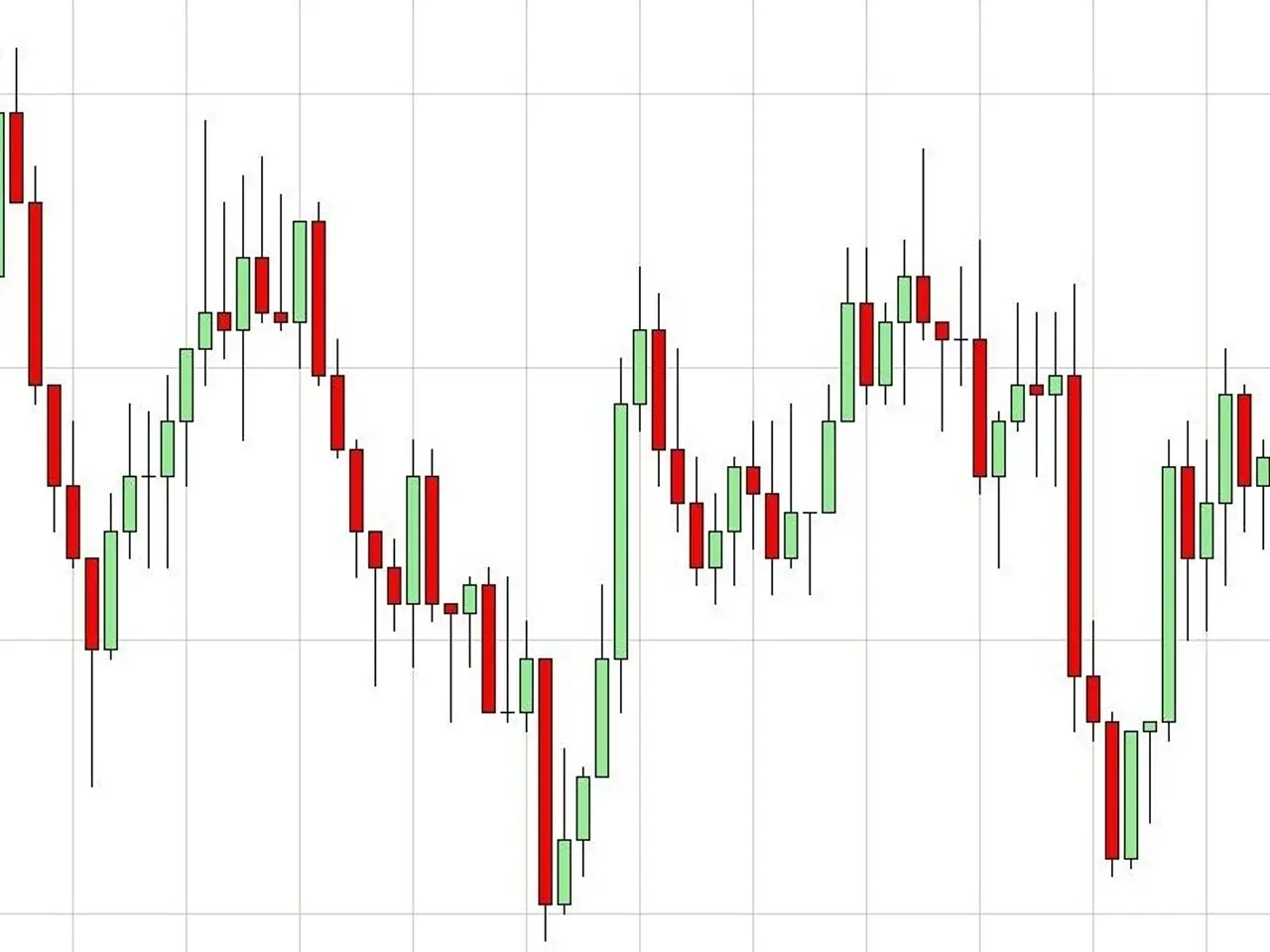
The Nasdaq 100 has slipped into correction territory after months of strong gains. The downturn comes as investors react to shifting financial conditions and broader economic pressures. Market analysts note that such adjustments are a routine part of longer-term cycles. The recent pullback follows an extended rally, with high-growth stocks facing increased selling. Technical signals point to weakening momentum, testing key support levels. At the same time, geopolitical tensions—including conflicts in the Middle East and disruptions to energy supply—have heightened volatility and dampened risk appetite.
Rising energy costs are adding to inflationary pressures, squeezing corporate profit margins. While German energy prices have shown mixed trends—electricity for new customers initially fell due to lower network charges but later surged by 17% after the Iran conflict—gas prices jumped sharply. The TTF front-month contract reached around €53-54 per MWh by late March, an 84% increase over pre-crisis levels. These spikes, however, have not directly driven the Nasdaq's decline, as no clear link exists between European energy volatility and US tech indices.
The correction reflects a mix of macroeconomic factors, including inflation trends and interest rate expectations. Investors are now reassessing valuations, with many adopting a more cautious approach. Analysts stress that such phases help reset overbought markets and realign prices with fundamentals. The Nasdaq's performance in the coming months will hinge on key economic variables, particularly inflation data and central bank policies. Investors are watching closely for signs of stabilisation, though uncertainty remains. The correction underscores how geopolitical risks and macroeconomic shifts continue to shape market behaviour.