Women in MV nearly 26 years in retirement - Men only 20 years - Mecklenburg’s pensioners outlive expectations as retirement ages climb
Pensioners in Mecklenburg-Western Pomerania are living longer and using retirement calculators to plan for extended periods of state pension collection. New figures from 2024 show women in the region now receive payments for an average of 25.7 years, while men receive them for 19.9 years. This trend reflects a steady increase in pension duration over the past five years.
Meanwhile, debates continue over how to adjust retirement ages to match rising life expectancy across Germany. In 2024, the average retirement age in Mecklenburg-Western Pomerania climbed to 64.3 years, up from 63.7 in 2019. Men in the region retired at 64.4 years on average, while women left work slightly earlier, at 64.1. By the end of the year, around 446,000 residents were drawing old-age pensions.
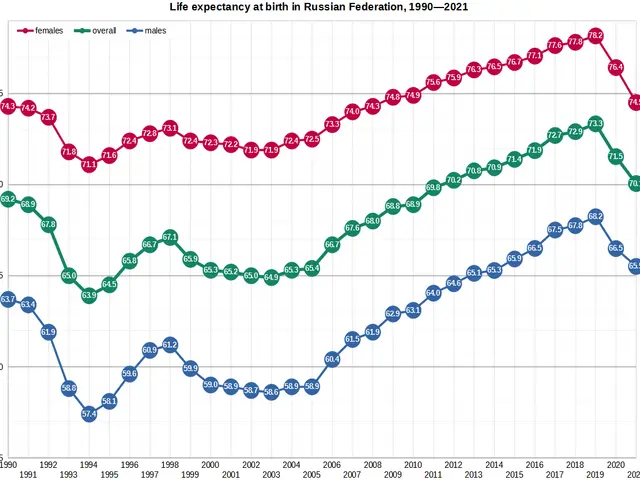
Nationally, women received pensions for 23.2 years on average, compared to 20.1 years for men. The overall retirement age stood at 64.7 years. The state’s own figures also revealed a growing gap: in 2023, the average pension duration was 22.9 years, rising from 22.5 years in 2019.
Political responses to these shifts are emerging. The AfD has proposed raising the pension adjustment threshold from 45% to 50% in the Bundestag. This change would fix the standard retirement age at 67 and block future increases tied to life expectancy.
Economic advisors to Federal Minister Katherina Reiche suggest a different approach. They recommend that two-thirds of future gains in life expectancy should extend working life, with only one-third added to retirement time. Under this model, the pension age would rise by half a year every decade, reaching 69 by the early 2070s.
The data highlights a clear trend: pensioners in Mecklenburg-Western Pomerania are spending more years in retirement. With ongoing political discussions, future adjustments to the retirement age will likely shape how long people work before receiving state support. The region’s figures also mirror broader national patterns, where women continue to outlive men in pension receipt.
Read also:
- India's Agriculture Minister Reviews Sector Progress Amid Heavy Rains, Crop Areas Up
- Sleep Maxxing Trends and Tips: New Zealanders Seek Better Rest
- Over 1.7M in Baden-Württemberg at Poverty Risk, Emmendingen's Housing Crisis Urgent
- Cyprus, Kuwait Strengthen Strategic Partnership with Upcoming Ministerial Meeting