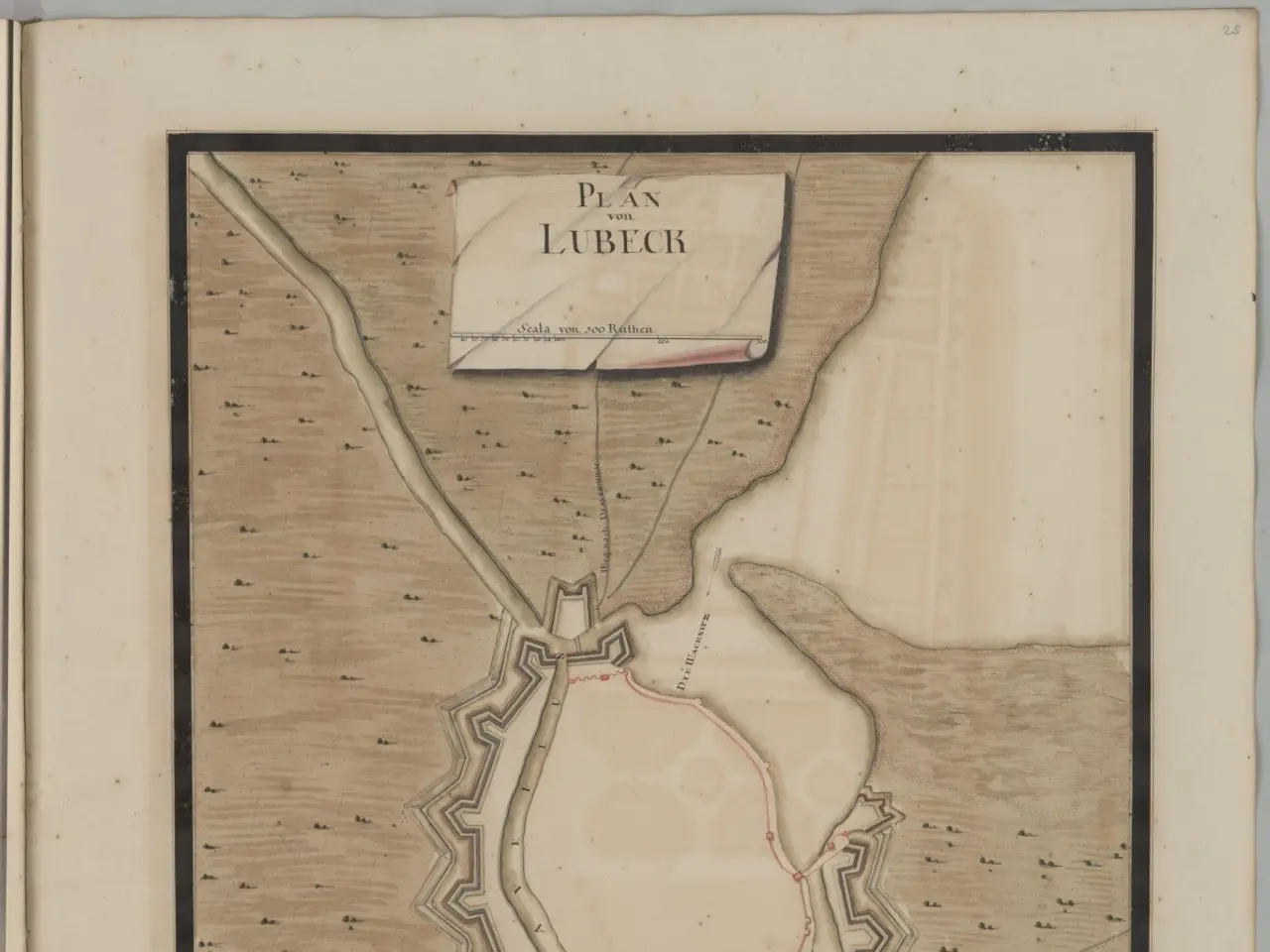
Lübeck in 1901: How Trade and Reform Shaped a Baltic Powerhouse
The year 1901 marked a period of change for Lübeck, a city still standing as an independent Free and Hanseatic City within the German Empire. Economic growth, driven by its bustling port and expanding trade, reshaped both its industry and society. New reforms and social developments also began to take root during this time.
Lübeck's port played a central role in its economic success. As a key transshipment hub for goods, it strengthened the city's position as a vital trading centre on the Baltic Sea. Overseas trade expanded, bringing new opportunities for local businesses and workers.
Industrialisation transformed Lübeck's economy, with new factories and companies opening their doors. This growth created jobs and gave rise to an urban working class. In response, early reform movements started to form, including worker support organisations and associations aimed at improving conditions. The city also took initial steps toward better social welfare. Alongside economic changes, education and culture received greater attention, reflecting a broader push for modernisation. These shifts laid the groundwork for later administrative reforms, as Lübeck sought to adapt to the challenges of a rapidly evolving world. Despite these changes, Lübeck retained its unique status. It remained a self-governing Free and Hanseatic City, maintaining its historical identity even as it embraced progress.
By 1901, Lübeck was balancing tradition with transformation. Its port-driven economy, growing industries, and early social reforms set the stage for future development. The city's ability to adapt while preserving its independence highlighted its enduring significance in the region.
Read also:
- India's Agriculture Minister Reviews Sector Progress Amid Heavy Rains, Crop Areas Up
- Over 1.7M in Baden-Württemberg at Poverty Risk, Emmendingen's Housing Crisis Urgent
- Life Expectancy Soars, But Youth Suicide and Substance Abuse Pose Concern
- Cyprus, Kuwait Strengthen Strategic Partnership with Upcoming Ministerial Meeting