Louisiana's crawfish crisis deepens as labor shortage hits spring harvest
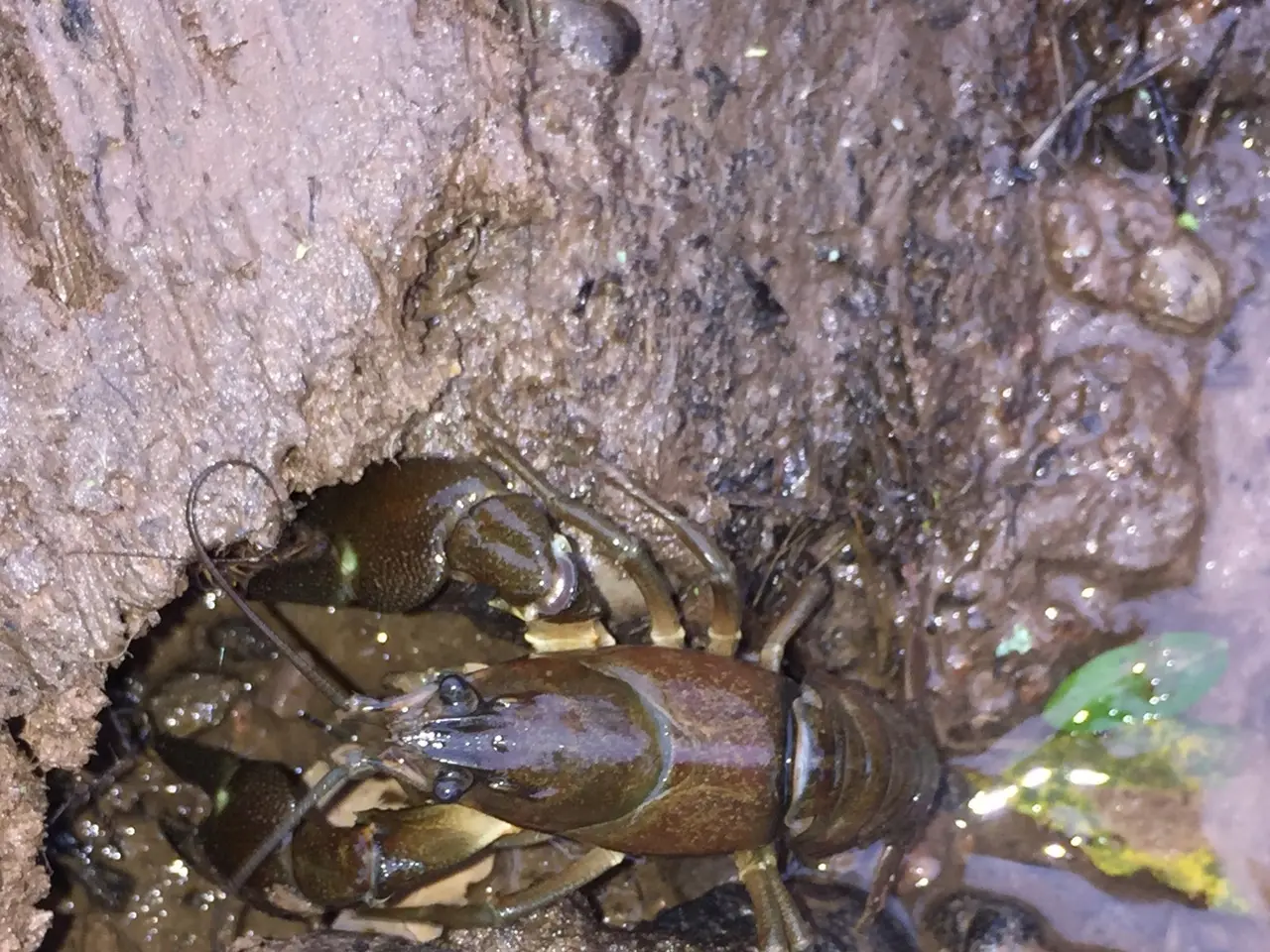
Louisiana's crawfish industry is facing a serious labour shortage just as spring harvest begins. The problem stems from a lack of foreign workers, leaving farmers struggling to process their catch. Without enough hands, prices for frozen tail meat are set to climb, and sales options will shrink. Spring marks the busiest time for crawfish production in Louisiana, a $300 million industry. The freshwater crustaceans are a staple in New Orleans' French Quarter, used in backyard boils and creamy etouffees. But this year, producers are short on staff.
Large-scale operations rely on guest workers with H-2B visas to peel and freeze the catch. The Department of Homeland Security must release 66,000 of these visas annually. Yet, farmers say the Trump administration failed to authorise enough for the season. Local advertising for seasonal peeling jobs has drawn almost no interest from American workers. With few alternatives, producers warn that grocery store prices will rise, and fewer crawfish will reach markets.
The labour crunch means higher costs for consumers and fewer sales opportunities for farmers. Crawfish, a cornerstone of Louisiana's economy and cuisine, now faces an uncertain season. Without a quick resolution, the shortage could stretch beyond spring.
Read also:
- India's Agriculture Minister Reviews Sector Progress Amid Heavy Rains, Crop Areas Up
- Cyprus, Kuwait Strengthen Strategic Partnership with Upcoming Ministerial Meeting
- Inspired & Paddy Power Extend Virtual Sports Partnership for UK & Ireland Retail
- South West & South East England: Check & Object to Lorry Operator Licensing Now