Lagos families scale back Eid al-Fitr celebrations amid soaring prices
Eid al-Fitr celebrations in Lagos are facing a setback this year as soaring food and fuel prices weigh on households. Traditionally a time for bulk purchases of staples, the festive season has seen shoppers cutting back due to persistent inflation and high costs.
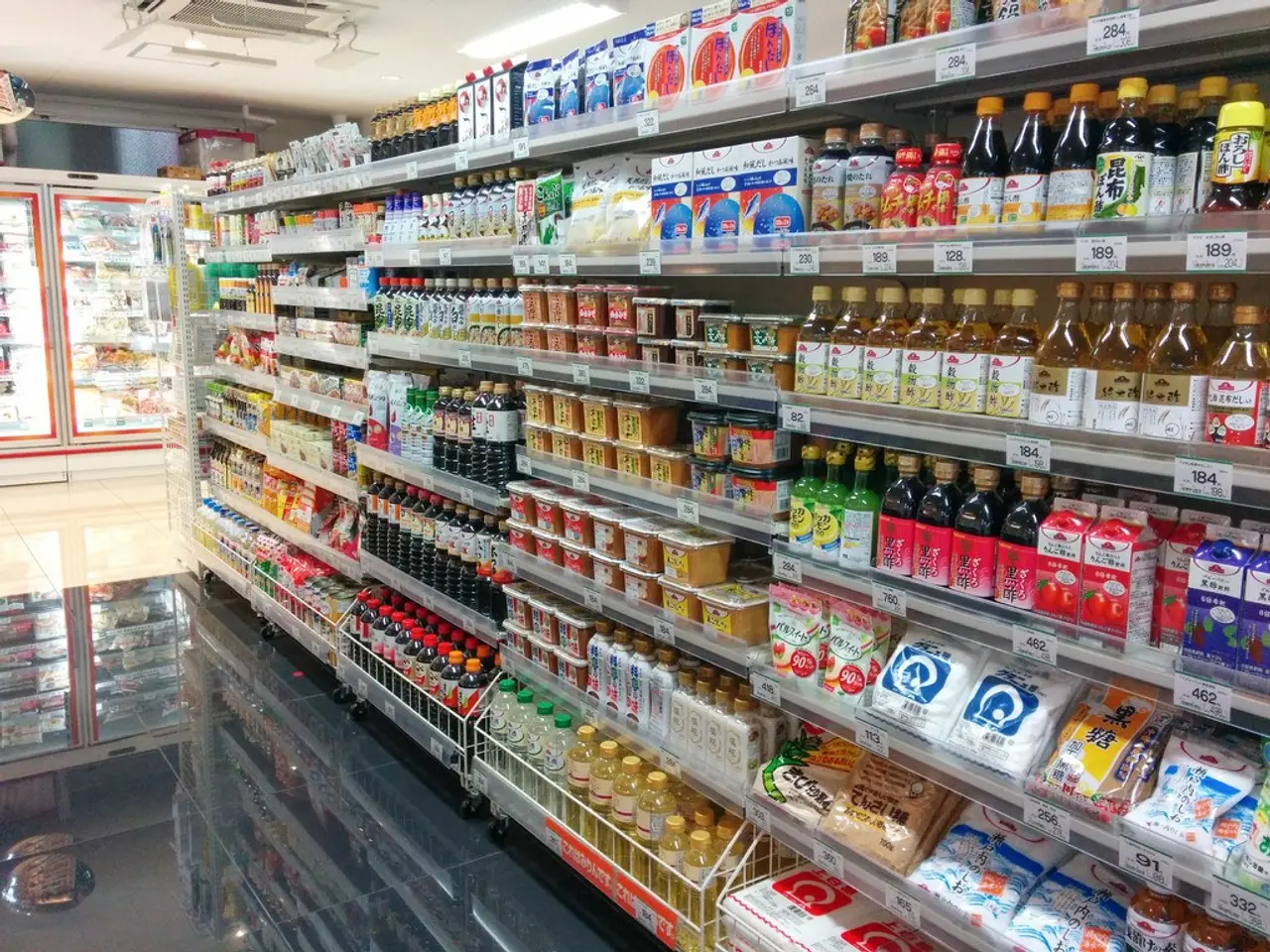
Markets across Lagos are reporting mixed sales, with many essential foods staying expensive. Staples like egusi and ogbono, usually bought in large quantities for Eid, remain out of reach for many due to their high prices. Traders blame the steep costs on rising transportation expenses, low production, and strong demand that has not eased.
Consumers are adjusting their shopping habits, opting for smaller purchases instead of the usual bulk buys. Higher fuel prices have pushed up logistics costs, and these increases are being passed directly to buyers. As a result, patronage has slowed, even during what should be a peak spending period. The trend contrasts with 2026, when Eid al-Fitr saw a boost in market activity and spending. That year, improved disposable incomes and expanded retail networks encouraged more purchases. However, current economic pressures are forcing many to ration their shopping, dampening the usual festive energy.
The combination of high transport costs, inflation, and limited supply continues to strain household budgets in Lagos. With prices for key goods remaining stubbornly high, many families are scaling back their Eid celebrations. The situation highlights ongoing challenges in the city's food supply chain and broader economic pressures.
Read also:
- India's Agriculture Minister Reviews Sector Progress Amid Heavy Rains, Crop Areas Up
- Sleep Maxxing Trends and Tips: New Zealanders Seek Better Rest
- Over 1.7M in Baden-Württemberg at Poverty Risk, Emmendingen's Housing Crisis Urgent
- Life Expectancy Soars, But Youth Suicide and Substance Abuse Pose Concern