Japan battles rising fuel costs as Middle East conflict drives oil prices higher
A surge in global oil prices, driven by the Middle East conflict, has pushed fuel costs higher in Japan. Tokyo has responded by introducing extra subsidies to keep gasoline prices near 170 yen per litre. Meanwhile, central banks and financial authorities are closely watching the ripple effects on inflation worldwide.
Oil prices climbed sharply in March 2026, with Brent crude reaching around 100 USD per barrel. The spike—linked to the military operation Epische Wut—has already sent energy costs soaring. Analysts predict this will lift Eurozone inflation by roughly one percentage point over the next three months, a 50% jump from February levels. The increase stems from both higher oil prices and a weaker euro, which has fallen 4% against the US dollar since late January.
Japan's economy is also feeling the strain. The Bank of Japan kept its benchmark interest rate steady at 0.75% but warned that rising oil prices will push inflation upward. Core inflation, excluding fresh food, had slowed to 2% year-on-year in January, partly due to falling food prices and government subsidies. However, officials now expect a temporary dip below the 2% target before pressures rebuild.
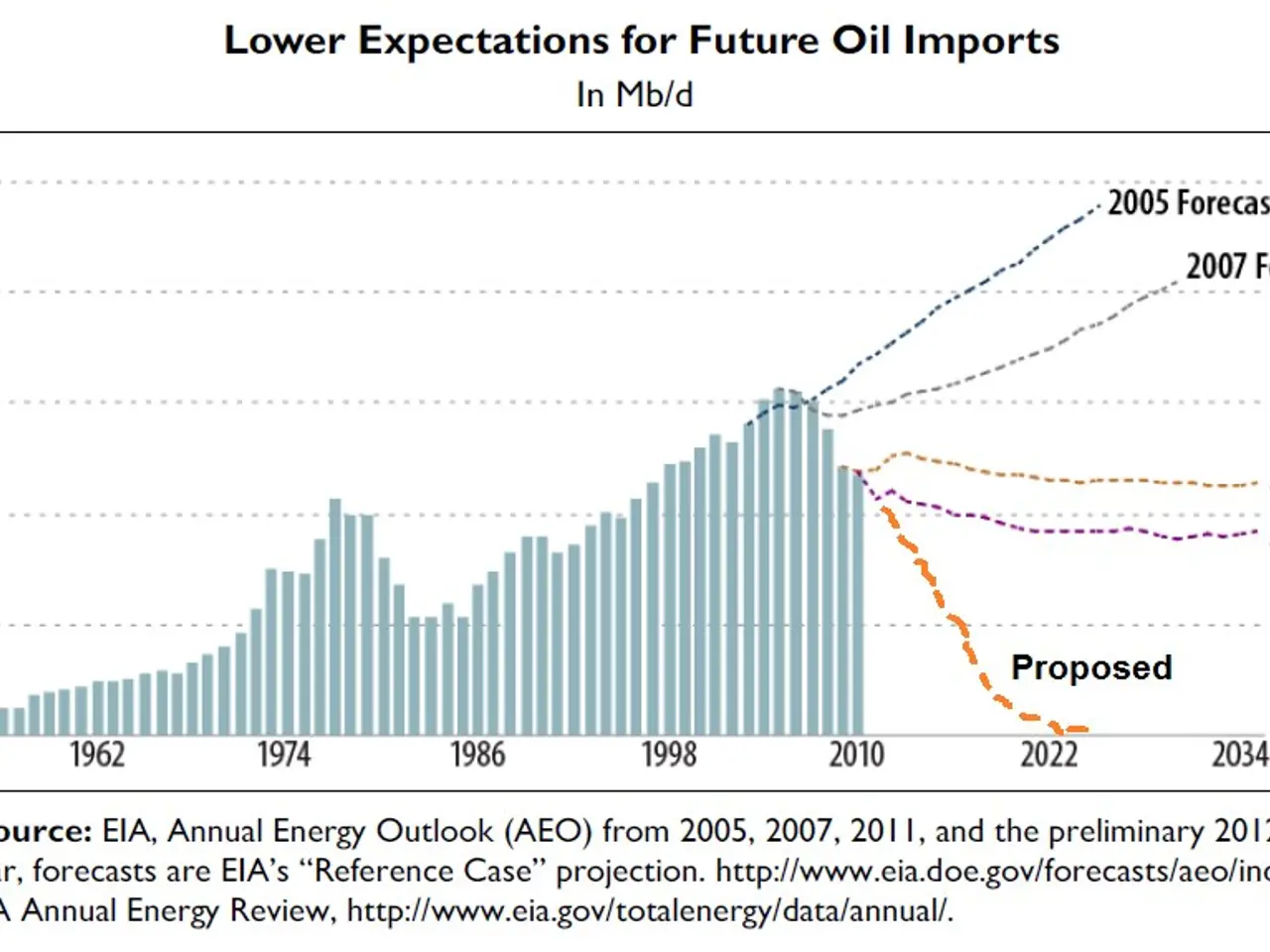
Across the Atlantic, the U.S. Federal Reserve has flagged concerns about energy-driven inflation. While the current oil shock is less severe than the 2008 peak of 147 USD per barrel, it contrasts sharply with the COVID-19 collapse, when prices briefly plunged to around 20 USD. Forecasts suggest oil may stay elevated—between 95 and 120 USD—until mid-2026 before easing to around 70 USD.
Japan's subsidies aim to cushion the blow of higher fuel costs for consumers. The Bank of Japan's decision to hold rates reflects caution as inflation pressures shift. With oil prices expected to remain volatile, both the Eurozone and the U.S. face continued inflation risks, though long-term projections point to a gradual decline in energy prices.
Read also:
- India's Agriculture Minister Reviews Sector Progress Amid Heavy Rains, Crop Areas Up
- Sleep Maxxing Trends and Tips: New Zealanders Seek Better Rest
- Over 1.7M in Baden-Württemberg at Poverty Risk, Emmendingen's Housing Crisis Urgent
- Cyprus, Kuwait Strengthen Strategic Partnership with Upcoming Ministerial Meeting